Have you ever stepped into a home and instantly felt a sense of effortless, enduring elegance? Whether it is a sun-drenched villa on the Amalfi Coast or a minimalist loft in Stockholm, european home decor captures a unique blend of history, artistry, and everyday livability.
The true beauty of european interior design lies in its incredible diversity. It is not a single, monolithic look, but rather a collection of distinct regional styles that all share a common philosophy: prioritizing quality, comfort, and deep-rooted character. Designing a space with this continental flair means moving away from mass-produced trends and instead curating a home that feels collected over time.
In this comprehensive guide, we will explore the nuances of these various aesthetics and provide actionable tips to help you bring a touch of continental charm into your own living space.
The Core Philosophy of European Style Home Decor
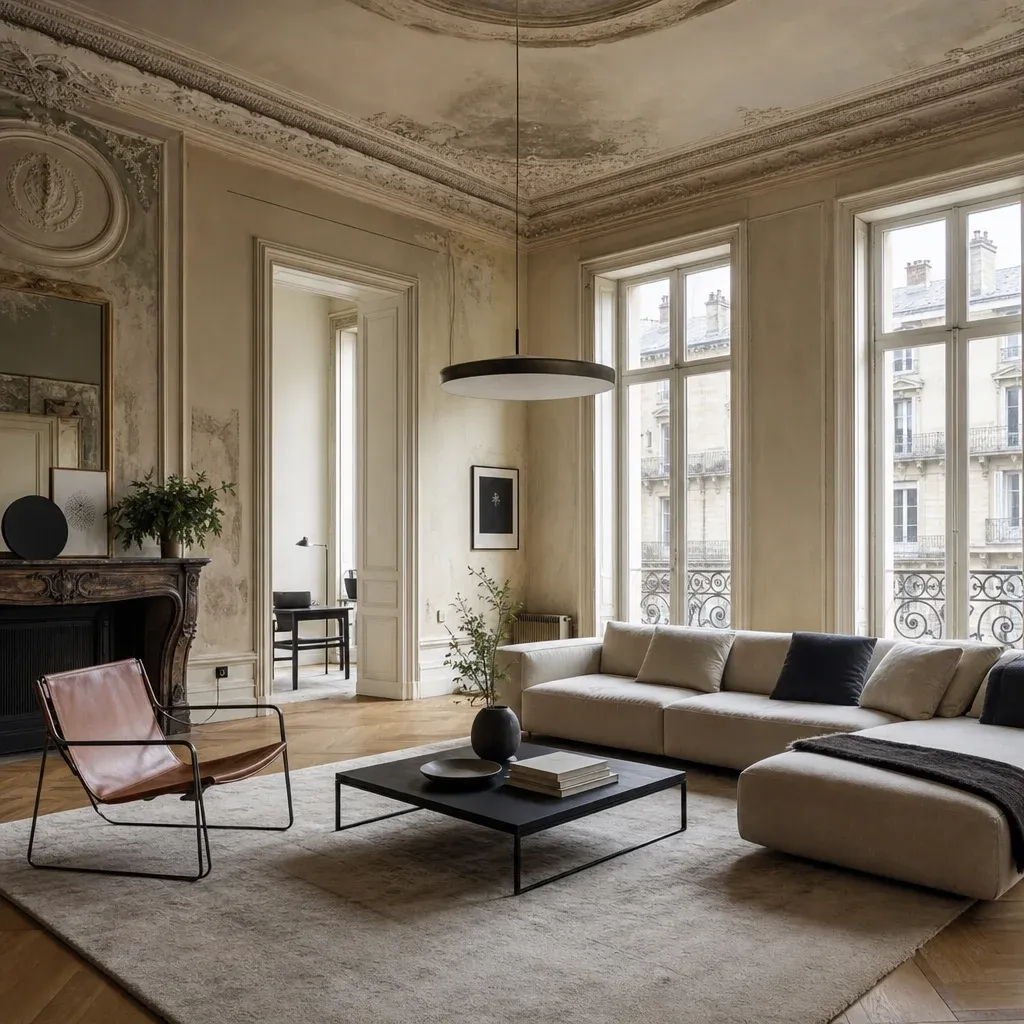
What exactly defines european style home decor? At its heart, it is about balance. It is the delicate art of honoring architectural heritage while accommodating contemporary, functional living. Even in modern european home decor, there is a deep respect for the past. You will frequently see sleek, contemporary furniture housed within centuries-old buildings featuring original stonework or ornate crown molding.
Another major focal point across the continent is the masterful use of illumination. European designers understand that lighting dictates mood. Therefore, a key element of this aesthetic involves maximized natural light for small spaces and grand rooms alike. By leaving windows largely unobstructed with light, airy window treatments, sunshine is allowed to flood the room, highlighting architectural details and creating an illusion of expansive space.
Scandinavian Simplicity: Where Form Meets Function
Let us begin our journey in the North. Scandinavian home decor has taken the world by storm, widely celebrated for its clean lines, uncluttered spaces, and soothing neutrality. However, true Nordic design is much more than stark minimalism; it is deeply rooted in human comfort.
If you want to master Scandinavian interior design principles, look to the balance between utility and warmth. Spaces in Sweden, Denmark, and Norway are designed to be lived in. They focus on highly ergonomic furniture, crisp neutral backdrops, and organic materials like light oak and ash.
A vital emotional element of this aesthetic is creating a cozy hygge atmosphere. Hygge (pronounced hue-guh) is the Danish concept of cozy, contented well-being through enjoying the simple things in life.
Actionable tips for a Nordic-inspired space:
- Layer textures: Rely on chunky knit throws, sheepskin rugs, and linen pillows to add visual weight without visual clutter.
- Embrace ambient lighting: Use a mix of floor lamps, table lamps, and candles rather than harsh overhead lighting.
- Bring nature indoors: Houseplants and raw wood finishes are essential to grounding the space. Nordic winters are dark, so choose species that genuinely tolerate low light — Illinois Extension’s lighting guide rates species by the light they need.
Modern rustic bedroom aesthetics apply much of this restrained, natural-material thinking to a single room.
French Elegance: From Parisian Chic to Country Charm
France offers two highly distinct but equally alluring approaches to interior design, depending on whether you are in the bustling city or the quiet countryside.
The Timeless Parisian Apartment
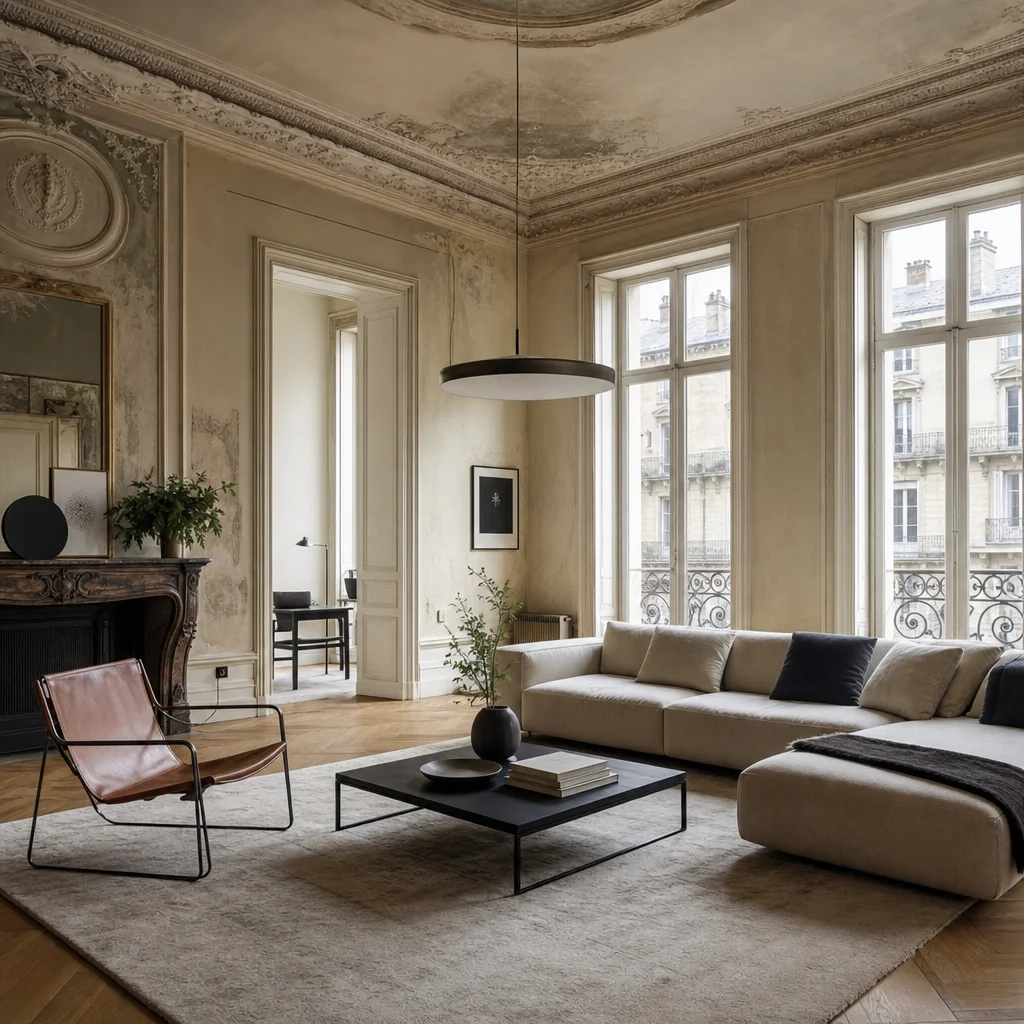
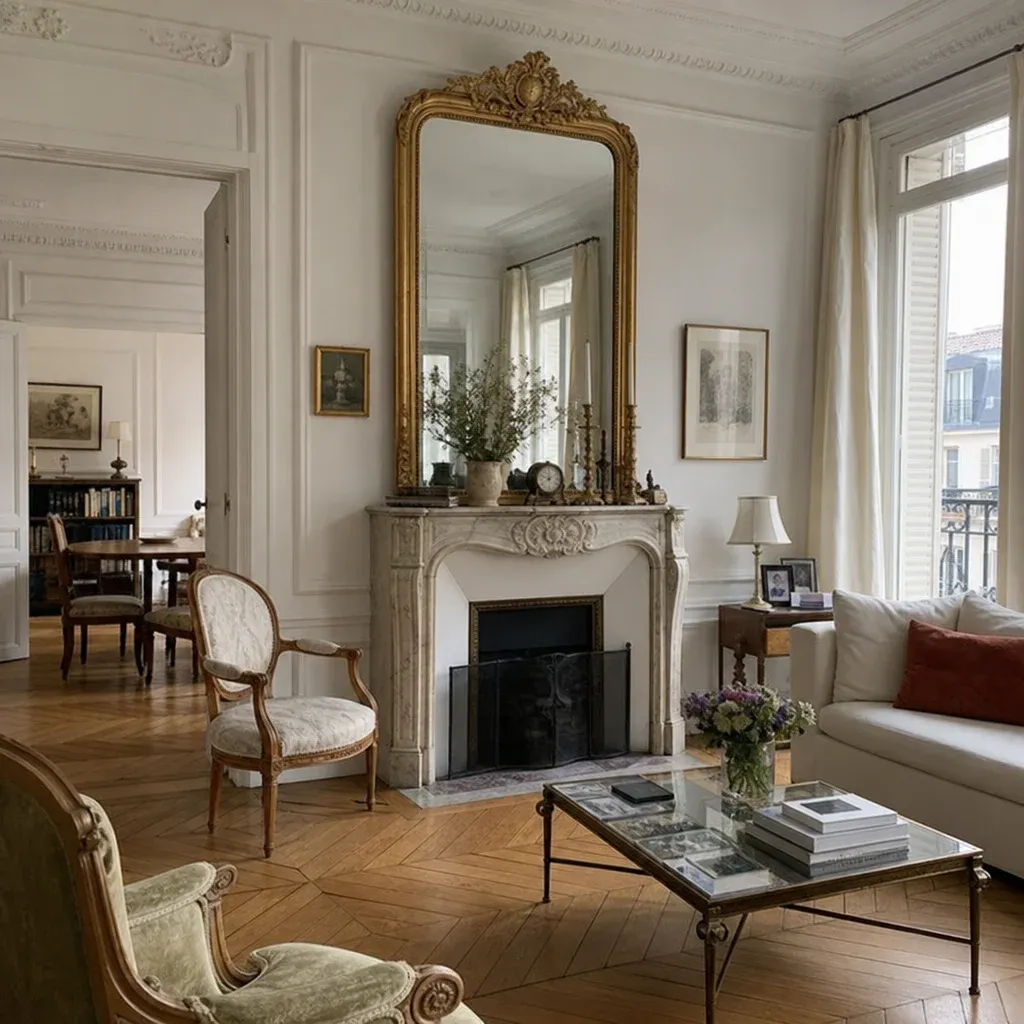
Nothing exudes quiet, effortless luxury quite like a classic Parisian flat in a historic Haussmann building. If you are looking for timeless Parisian apartment styling tips, the secret is embracing imperfections and fearlessly mixing different eras.
Start from the ground up: herringbone wood flooring patterns are iconic in French apartments. This geometric layout instantly adds movement and historic elegance to any room.
Furthermore, the French are absolute masters at incorporating vintage antiques into modern rooms. To achieve this, imagine an ornate, gilded 18th-century mirror resting casually against the mantle, paired directly with a sleek, contemporary low-profile velvet sofa. The tension between the old and the new is what gives Parisian decor its famous “je ne sais quoi.”
The Rustic French Countryside
For a more relaxed and pastoral vibe, french country decor offers undeniable warmth. People often ask, how to achieve French country aesthetic without making it look dated? The key is balancing rustic, raw elements—like exposed stone walls and distressed ceiling beams—with highly refined, feminine touches.
Key elements of French Country design:
- Soft patterns: Incorporate traditional Toile de Jouy fabrics on accent chairs or wallpaper.
- Muted colors: Use soft lavenders, sage greens, and buttery yellows inspired by the Provence landscape.
- Elegant lighting: Hang a crystal chandelier over a heavy, distressed wooden farmhouse dining table to create a beautiful visual contrast.
Sun-Drenched Shores: The Mediterranean Aesthetic
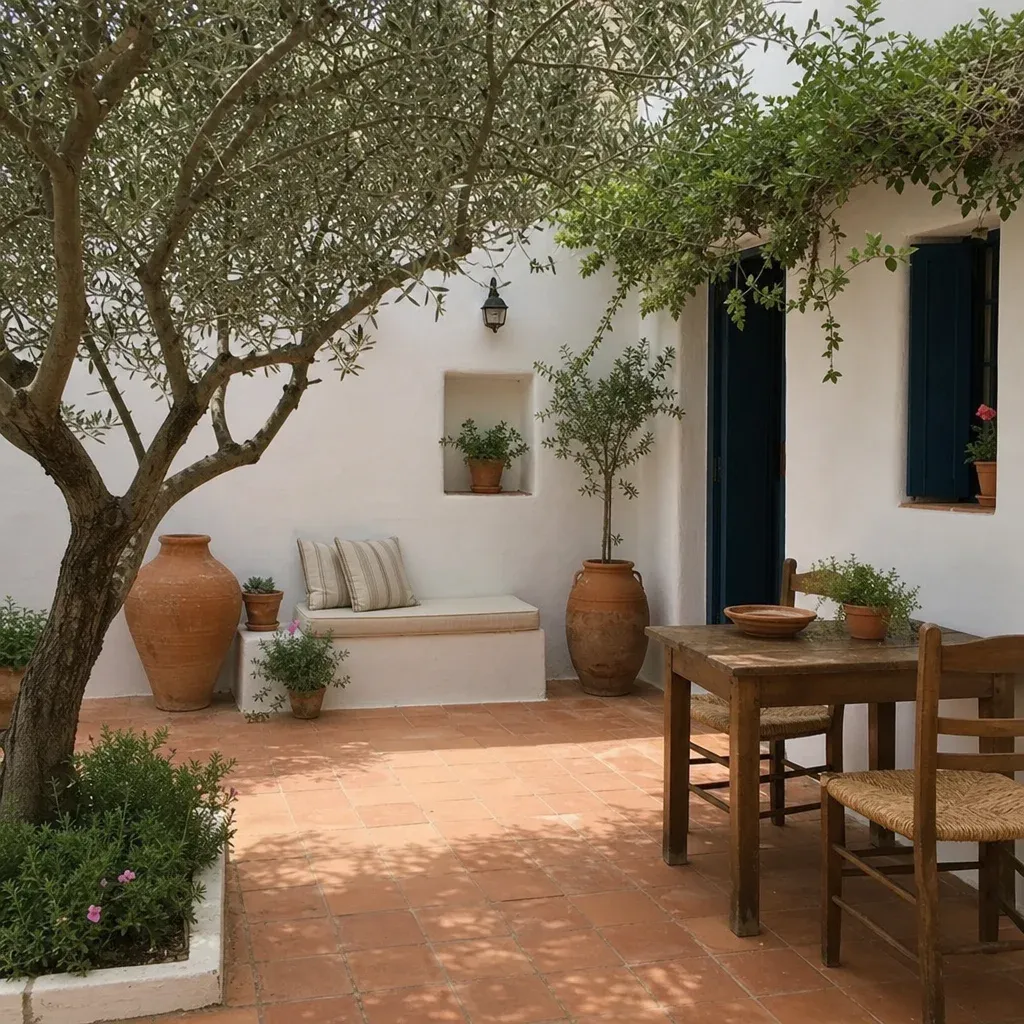
Heading south, we find design heavily inspired by the sea, sun, and earth. Mediterranean decor ideas focus heavily on blurring the boundaries between indoor and outdoor living.
To build this look, you must start with earthy color palettes for Mediterranean homes. Think terracotta, olive green, warm ochre, and deep cerulean blue. A paint calculator sizes up the job once you have chosen, and a brown and cream bedroom works through a similarly warm, earthy scheme. Textures also play a crucial role in mimicking the coastal landscape. Applying traditional Greek plaster wall finishes—such as lime wash or Tadelakt—gives walls a soft, organic, and perfectly imperfect movement that standard flat paint simply cannot replicate.
When analyzing regional European styles, it is highly educational to look at Mediterranean vs English cottage style. While an English cottage feels enclosed, intentionally cozy, and heavily layered with floral patterns to protect against damp climates, a tradition that French country bedroom decor and floral bedroom ideas sit squarely within, the Mediterranean approach is the exact opposite. It is airy, expansive, and relies on raw, cooling structural materials like stone floors, arched doorways, and minimal window treatments to combat the summer heat.
Quality Craftsmanship: Bauhaus Modernity and Italian Luxury
European design also leads the world in high-end manufacturing, luxury, and modernist architectural theory.
The Legacy of Modernism
If you are delving into design history, you might ask: what are the hallmarks of Bauhaus style? Originating in Germany in the early 20th century, the Bauhaus school championed the radical idea that form must follow function. Expect absolute geometric purity, the use of primary colors, and the revolutionary application of industrial materials like tubular steel and plate glass in domestic settings.
This German movement deeply influenced the history of mid-century modern furnishings, paving the way for the sleek, unornamented, and highly functional pieces that remain incredibly popular in contemporary homes around the globe today.
Italian Craftsmanship and Flair
In stark contrast to strict German functionalism, Italy brings unapologetic luxury and drama to the European design table. Investing in statement pieces from high-end Italian leather furniture brands guarantees unparalleled craftsmanship and longevity. Italian design is characterized by bold, sculptural silhouettes, rich tactile materials, and a sense of theatrical flair. An oversized, buttery-soft Italian leather sectional can serve as the perfect anchor for an otherwise minimalist, modern living room.
Embracing Sustainable and Artisanal Materials
Regardless of whether you lean toward a stark Bauhaus loft or a rustic Provencal farmhouse, there is a unifying shift across the continent toward eco-conscious living. The use of sustainable materials in continental design is not just a passing trend; it is a return to traditional, responsible building methods.
Reclaimed wood, sustainable cork, recycled glass, and locally sourced natural stone are staples in the modern European home. European designers prefer materials that age gracefully and develop a rich patina over time.
Furthermore, accessorizing with the best artisanal textiles for rustic interiors adds absolute authenticity and tactile comfort to your space.
Top textiles to consider:
- Belgian Linen: Perfect for relaxed, breathable slipcovers and airy curtains.
- Scottish Wool: Ideal for heavy, warm throw blankets in colder climates.
- Spanish Hand-woven Cotton: Beautiful for vibrant, durable area rugs and tapestries.
Conclusion
Transforming your home with a European flair does not require a passport or a complete renovation. Whether you are drawn to the sun-baked terracotta of the Mediterranean, the cozy functionality of Scandinavia, or the chic juxtaposition of a Parisian flat, European decor is ultimately about intentionality.
By focusing on high-quality materials, embracing natural light, mixing historical eras, and prioritizing functional beauty, you can easily cultivate an environment that feels both globally inspired and uniquely yours. Embrace elegance, take your time curating your pieces, and let your home tell a beautiful, timeless story.