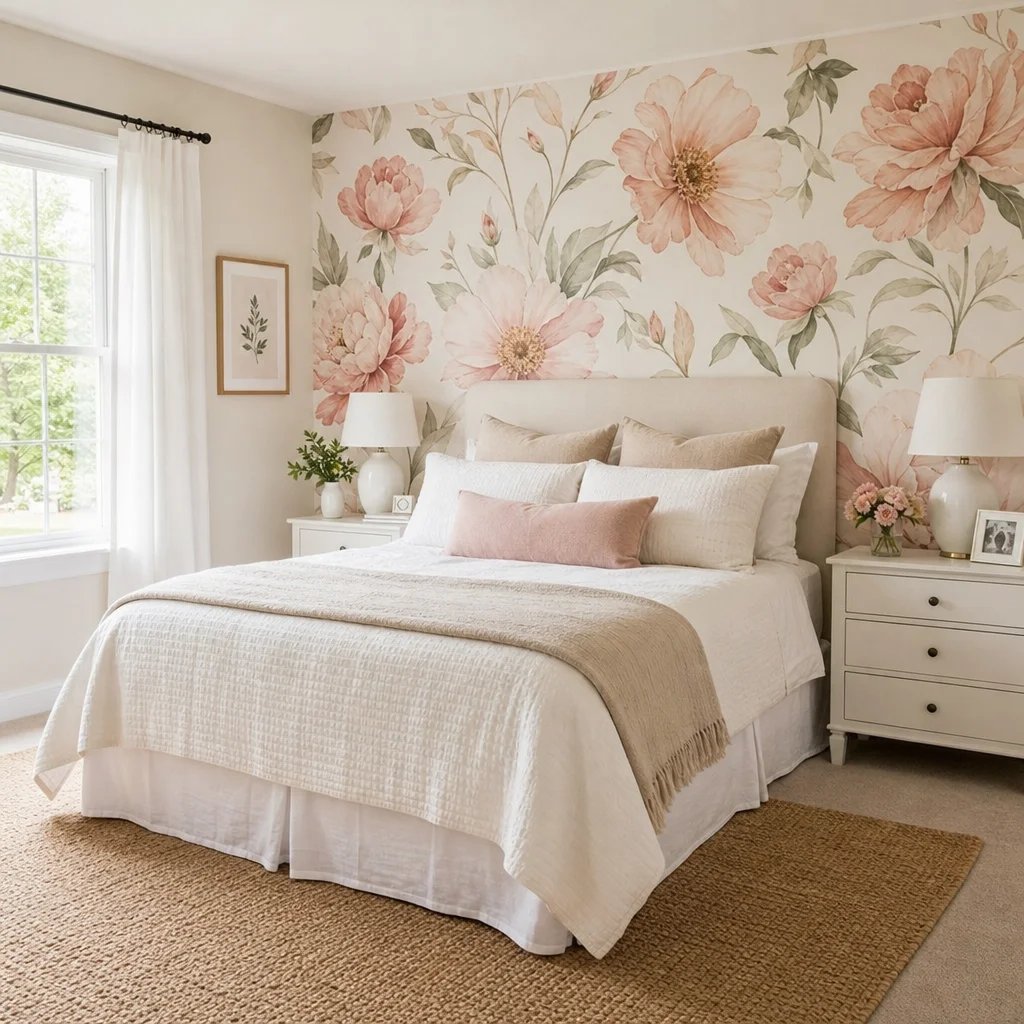
Floral Bedroom Decorating Ideas: Transform Your Space
Explore charming floral bedroom decorating ideas to transform your space into a serene sanctuary, with versatile designs and color schemes.
9 min read
Curtains are the quickest way to make windows look taller and rooms look finished — but only when the panels are full enough and long enough. Flat, skimpy curtains that stop awkwardly mid-wall are among the most common decorating misses.
This calculator turns your rod width and mounting height into the panel width and length to shop for, based on the fullness and hem style you want. It assumes the designer defaults: the rod mounted 4 to 6 inches above the window frame and extending 6 to 12 inches beyond it on each side.
Measure the full length of the rod between finials, in inches. If the rod is not up yet, plan for it to extend 6 to 12 inches past the window frame on each side so open curtains stack against the wall, not the glass.
Measure from the top of the rod (or where you plan to mount it — ideally 4 to 6 inches above the frame, or higher for drama) down to where you want the curtain to end.
Pick a fullness factor — 1.5x for a tailored look, 2x for standard soft gathering, up to 3x for sheers — and a length style: sill, apron, floor, or puddle.
The calculator gives per-panel width and length; buy the nearest larger standard size (panels commonly come 84, 96, or 108 inches long) or have panels hemmed to the exact drop.
Panel width: total fabric width should equal rod width multiplied by a fullness factor — 1.5x minimum for a tailored pleat, 2x for the standard gathered look, 3x for lightweight sheers. Divided by your number of panels, that gives the minimum width each panel needs when you shop.
Panel length: measured from the top of the rod to the endpoint of your chosen style — the window sill, the apron (about 4 inches below the sill), the floor with a half-inch clearance, or a puddle that adds 6 to 8 inches of fabric pooling on the floor. Floor-length is the default recommendation for living spaces and bedrooms; sill and apron lengths suit kitchens and bathrooms where fabric on the floor is impractical.
Total curtain width should be 1.5 to 3 times the rod width — 2x is the standard for a softly gathered look. Curtains exactly as wide as the window hang flat and look skimpy when closed.
Mount the rod 4 to 6 inches above the window frame at minimum; going two-thirds of the way to the ceiling, or even ceiling height, visually raises the window and makes the room feel taller.
In living rooms and bedrooms, yes — end panels about half an inch above the floor for a clean tailored look, or add 6 to 8 inches for a romantic puddle. Reserve sill- and apron-length curtains for kitchens, bathrooms, and windows above radiators or counters.
Ready-made panels typically come in 63, 84, 96, and 108 inch lengths. Measure your drop first, then buy the next length up and hem if needed — too long can be fixed, too short cannot.
Two panels per window is standard so curtains part in the middle. What matters is that the combined panel width reaches your fullness target; wide windows may need four panels or extra-wide panels to get there.
Explore charming floral bedroom decorating ideas to transform your space into a serene sanctuary, with versatile designs and color schemes.
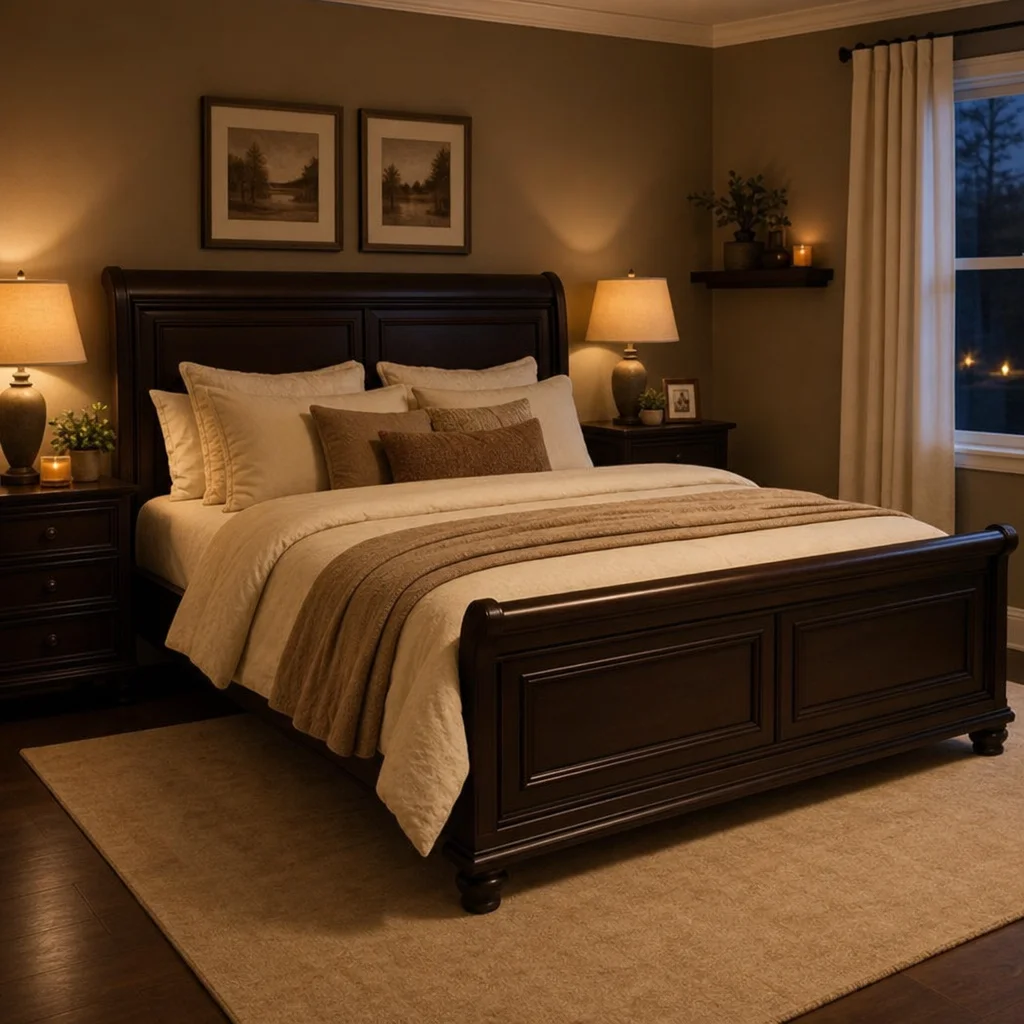
Transform your sanctuary with cozy brown and cream bedroom decorating ideas. Discover tips for neutral color schemes and cozy bedroom designs.
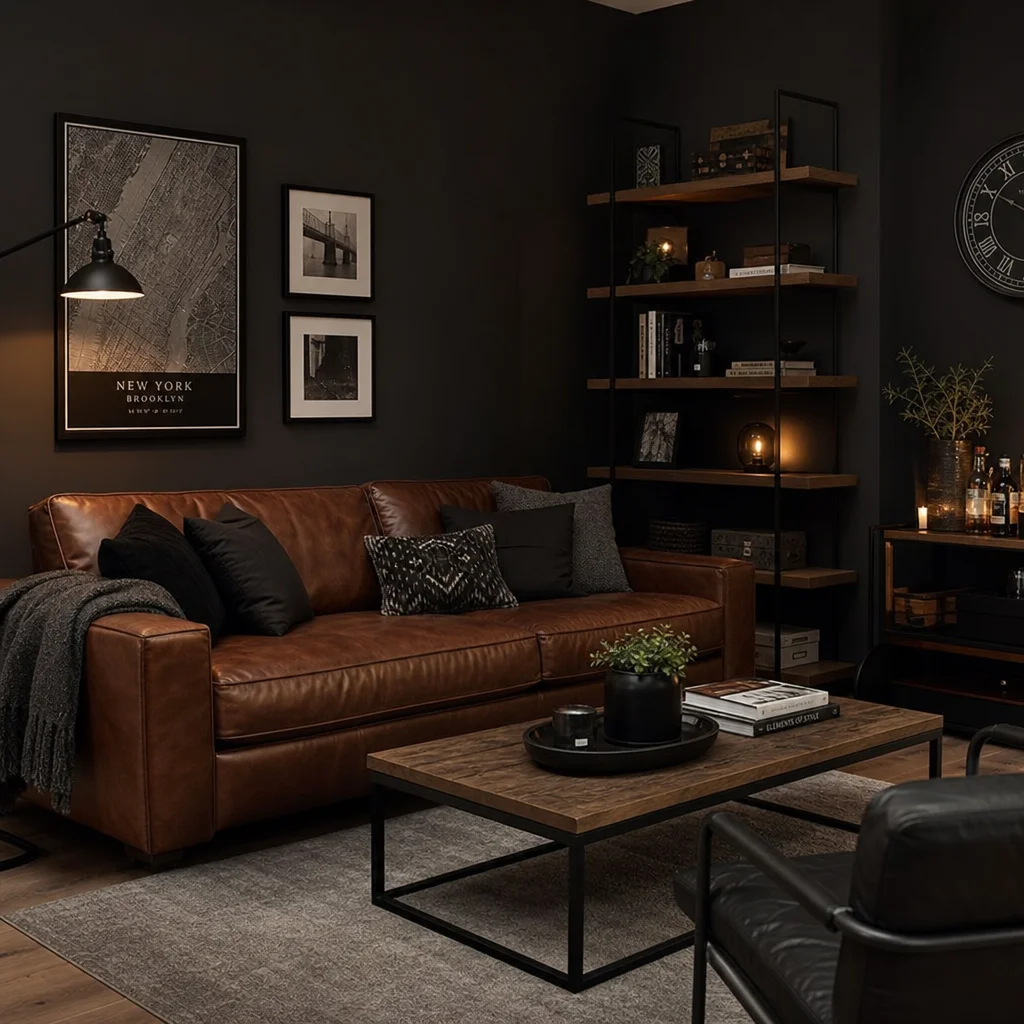
Transform your living space with sophisticated masculine room decor. Discover modern ideas for a stylish bachelor bedroom, living room, and home office.