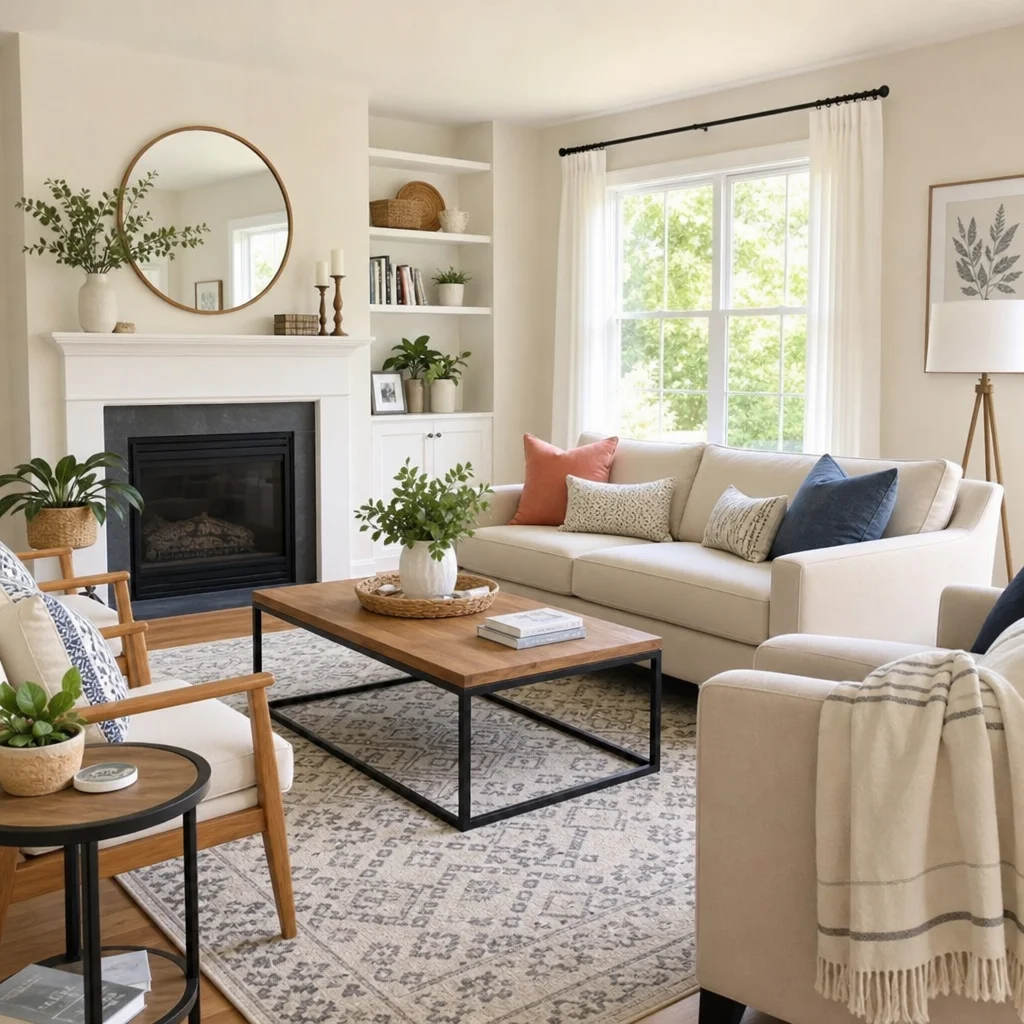
Home Decor Ideas for Every Room: DIY, Style & Storage
Revamp every room with practical home decor ideas. Discover DIY projects, room makeovers, and design tips for stylish, budget-friendly transformations.
9 min read
Most decorating budgets fail the same way: the furniture eats everything, and there is nothing left for the lighting, textiles, and finishing touches that actually make a room feel done. A plan that allocates money item by item before you shop prevents that.
This planner drafts a starting plan for you — your budget split across the rooms you select and itemized into a realistic shopping list per room — and then hands you the controls. Every line item is editable, you can remove lines or add your own, and a live tracker shows planned spending against your budget as you shape the plan. It also flags any room where the numbers look unrealistically tight.
Enter the total amount you want to spend across the whole project, and keep the 10% contingency reserve on — deliveries, returns, and small overruns are near-certain.
Pick full furnish if you are starting from scratch, or refresh if you are keeping your large furniture — the planner drops big-ticket items like sofas and beds and redistributes their share across textiles, lighting, and decor.
Tick the rooms you are decorating. The planner weights the split — living rooms and bedrooms carry larger furniture costs than bathrooms or entryways.
Expand a room and edit any amount, delete lines you do not need, or add your own items — the tracker shows planned spending against your budget live, and each room’s budget-fit badge updates as you go. “Reset to suggested amounts” brings back the starting plan anytime.
When the numbers feel right, download the plan as a CSV for Excel or Google Sheets, or as a print-ready PDF — every room, line item, and total included, ready to track actual spending against.
The planner allocates in two passes. Across rooms, each selected room gets a weight reflecting its typical furnishing cost — living rooms and bedrooms weigh most, dining rooms and home offices in the middle, bathrooms and entryways least — and your spendable budget (total minus the optional 10% contingency) is divided proportionally.
Within each room, the money is split across an itemized list based on ratios interior designers commonly use — in a living room, for example, seating takes about 35%, rugs and lighting about 10% each, and art and accessories the remainder. In refresh mode, items flagged as big-ticket furniture (sofa, bed and mattress, dining set, desk) are removed and their share is redistributed proportionally across the remaining items — the categories that transform a look per dollar. These suggestions are only the starting point: every amount is editable, lines can be removed or added, and the tracker compares your planned total against the spendable budget as you adjust.
The budget-fit badge compares each room’s allocation against a realistic minimum for a decent-quality result (for example, roughly $3,000 to fully furnish a living room, less than half that for a refresh). “Tight” means you are under about 75% of that floor — doable, but expect heavy compromises or secondhand finds; “comfortable” means you have real breathing room.
A common rule of thumb is 5 to 10 percent of your home’s value for furnishing the whole home, but per-room realities vary: a living room refresh commonly runs $2,000 to $10,000 while a full furnish costs more. Whatever the total, allocating it by category before shopping matters more than the exact figure.
Around 50 to 60 percent when starting from scratch — in a living room the sofa alone deserves about 35 percent of the room budget. If you are keeping major pieces, use refresh mode: the planner redistributes that share toward lighting, textiles, and wall decor, which deliver the most visual change per dollar.
It means a room’s share is under roughly 75 percent of the realistic minimum for a decent-quality result — about $3,000 to fully furnish a living room or $2,500 for a bedroom. A tight room is still doable with secondhand and budget finds, but consider decorating fewer rooms at once or switching to refresh mode.
The room you use most — usually the living room or bedroom. Finishing one room fully beats spreading the budget thin across several half-done spaces, and it teaches you your real costs before you commit to the next room.
Save on decor accessories, side tables, and trend-driven pieces; spend on the things you touch daily and keep for years — the sofa, the mattress, and quality curtains. Paint remains the highest-impact low-cost line in any budget.
No — it covers decorating only: furniture, textiles, lighting, wall treatments, and accessories. Structural work, flooring replacement, and built-in cabinetry are renovation costs and should be budgeted separately before decorating money is allocated.
Revamp every room with practical home decor ideas. Discover DIY projects, room makeovers, and design tips for stylish, budget-friendly transformations.
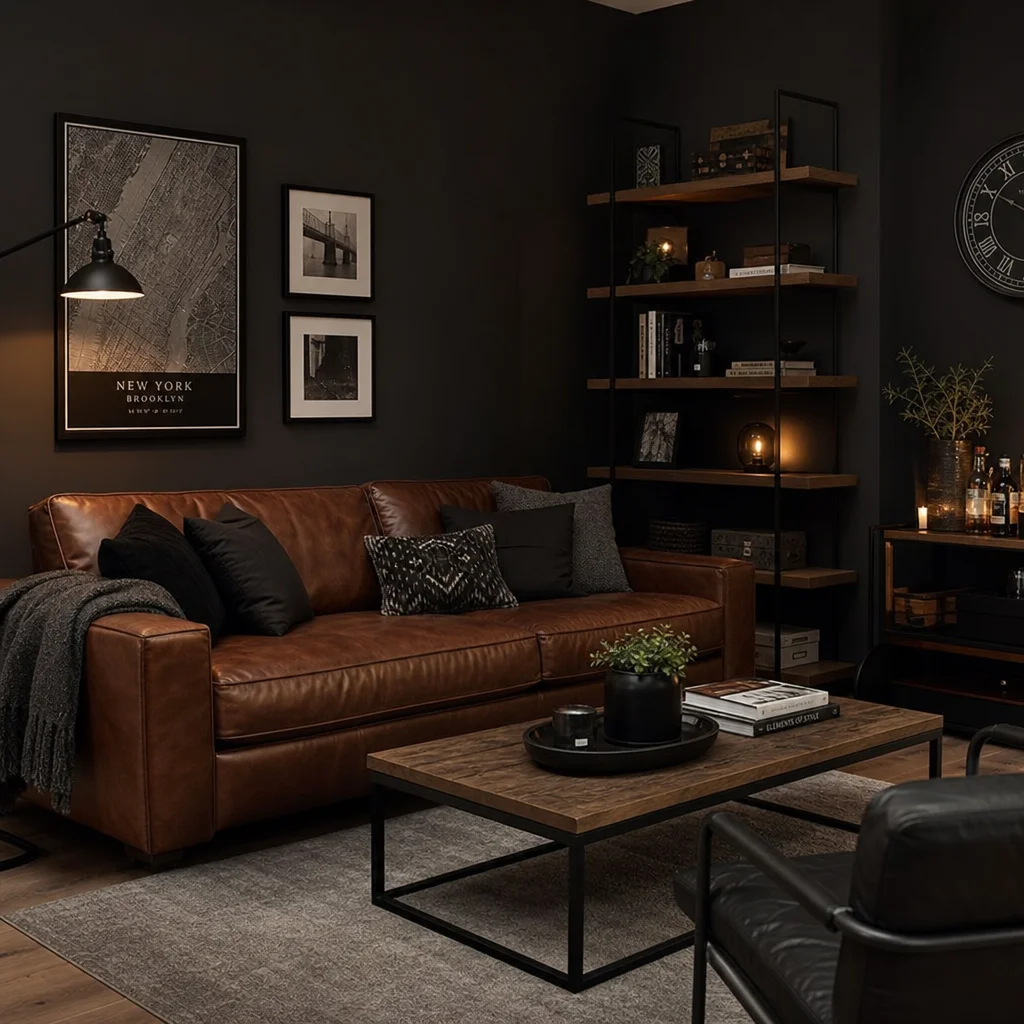
Transform your living space with sophisticated masculine room decor. Discover modern ideas for a stylish bachelor bedroom, living room, and home office.
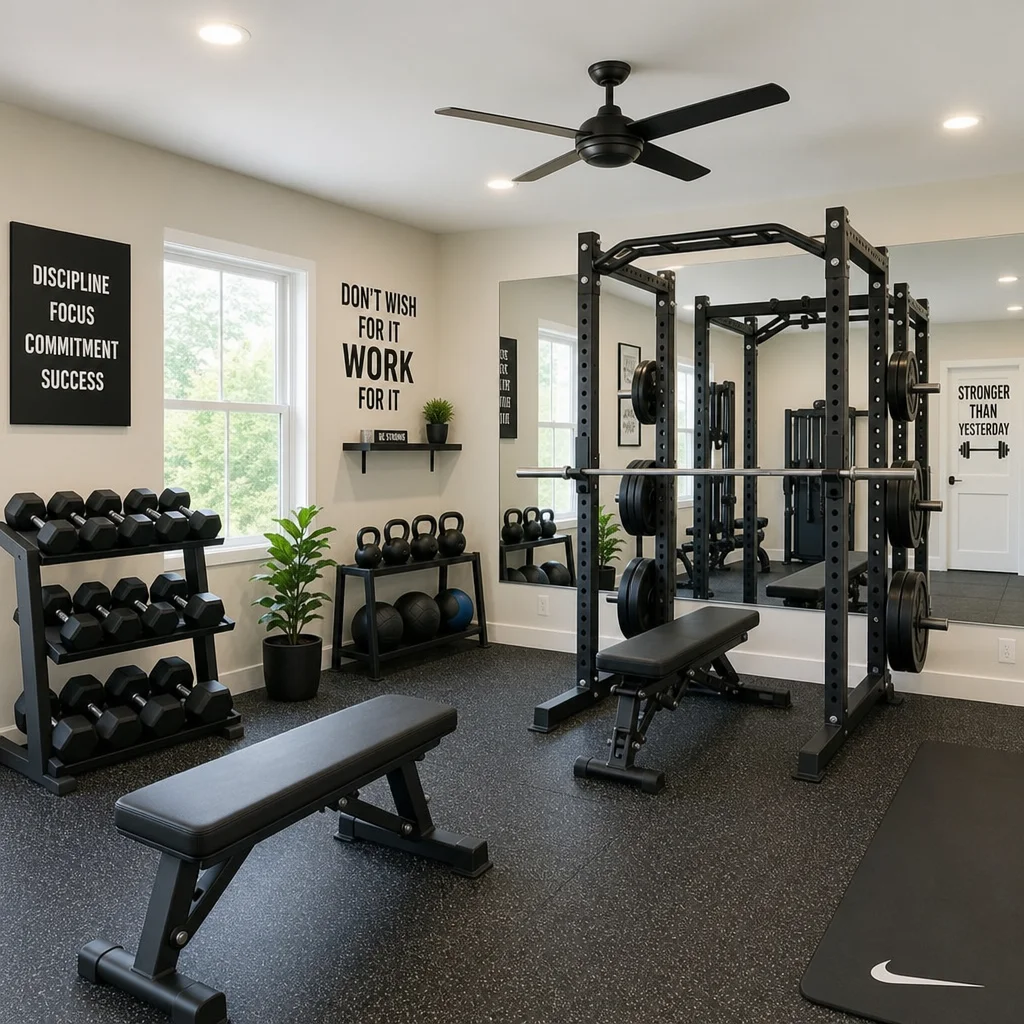
Transform your workout space with creative home gym decor ideas that inspire motivation and enhance your fitness journey.