Stepping into a Victorian-inspired bathroom feels like traveling back in time to an era of unhurried luxury and meticulous craftsmanship. The late 19th century brought indoor plumbing indoors, and the Victorians celebrated this innovation by turning their bathrooms into opulent, beautifully detailed sanctuaries. Today, decorating a victorian bathroom is an incredibly rewarding endeavor for homeowners looking to inject character and historic charm into their living spaces.
Whether you are fully renovating a historic heritage property or simply looking to add classic, ornate touches to a contemporary home, mastering this aesthetic requires an understanding of the era’s signature elements. From statement bathtubs to authentic fixtures, this comprehensive guide will explore the ultimate vintage bathroom design concepts to help you create a space that is both practical and breathtakingly beautiful.
Establishing Your Design Direction
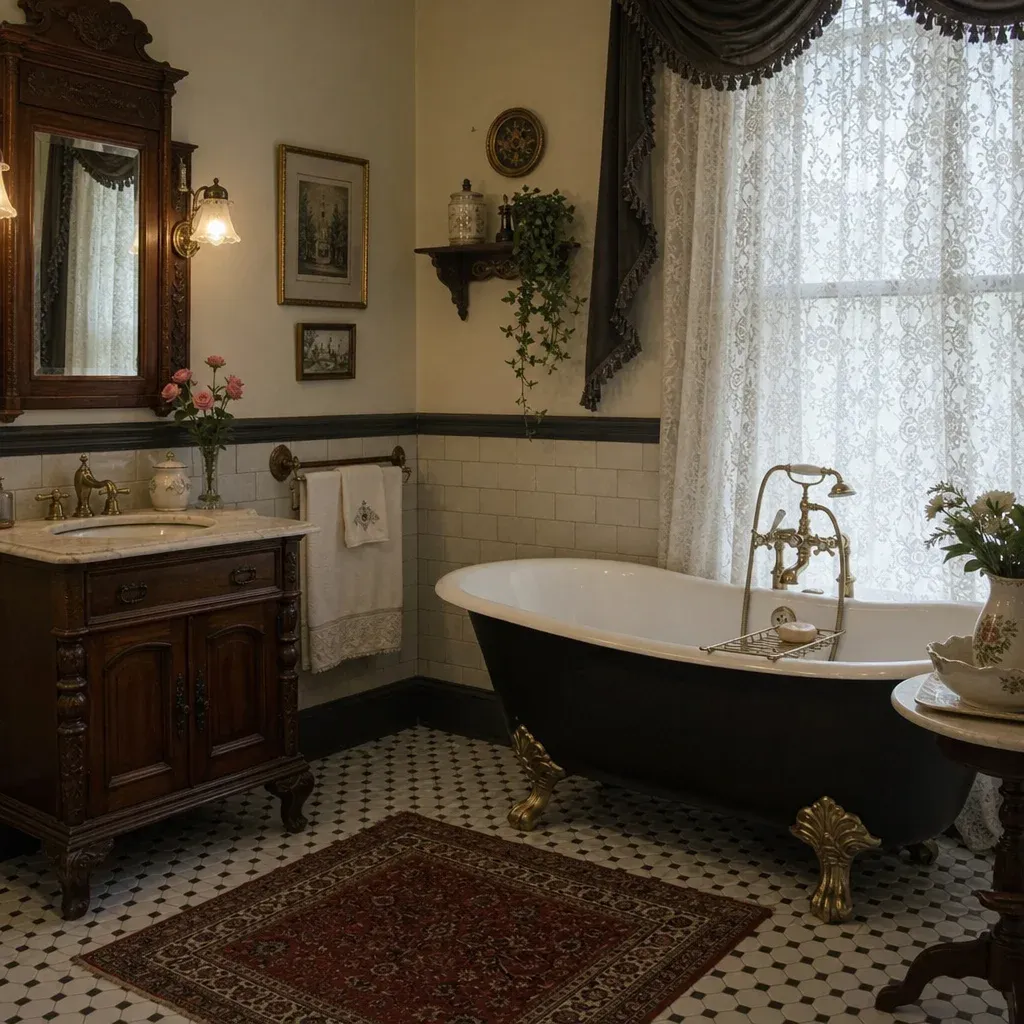
When looking at various victorian bathrooms decorating ideas, you must first decide on your overarching design approach. The Victorian era spanned several decades, meaning the design elements evolved significantly over time.
Modern Victorian vs Traditional Period Style
One of the first decisions you’ll make is choosing between a modern victorian vs traditional period style.
- Traditional Period Style: This approach is strictly historically accurate. Think heavy drapery, dark wood tones, elaborate floral wallpapers, and authentic antiques.
- Modern Victorian: This style takes the best architectural features of the 19th century and blends them with modern sensibilities. It relies on a cleaner aesthetic, allowing standout vintage pieces—like a statement tub or an ornate vanity—to shine against a lighter, more minimalist background.
The Victorian Color Palette
Establishing the right victorian color palette for bathrooms is crucial to setting the mood. Authentic hues from this era often include deep, moody tones like rich burgundy, hunter green, navy blue, and charcoal. Alternatively, later Victorian designs favored softer pastels—dusty pinks, sage greens, and powder blues—often paired with stark, clean whites to emphasize the era’s growing obsession with hygiene and sanitation.
Setting the Stage: Authentic Walls and Floors
The foundation of timeless bathroom decor lies in the architectural shells of the room: your walls and floors. The materials you choose here will instantly anchor the room in the 19th century.
Choosing the Right Flooring
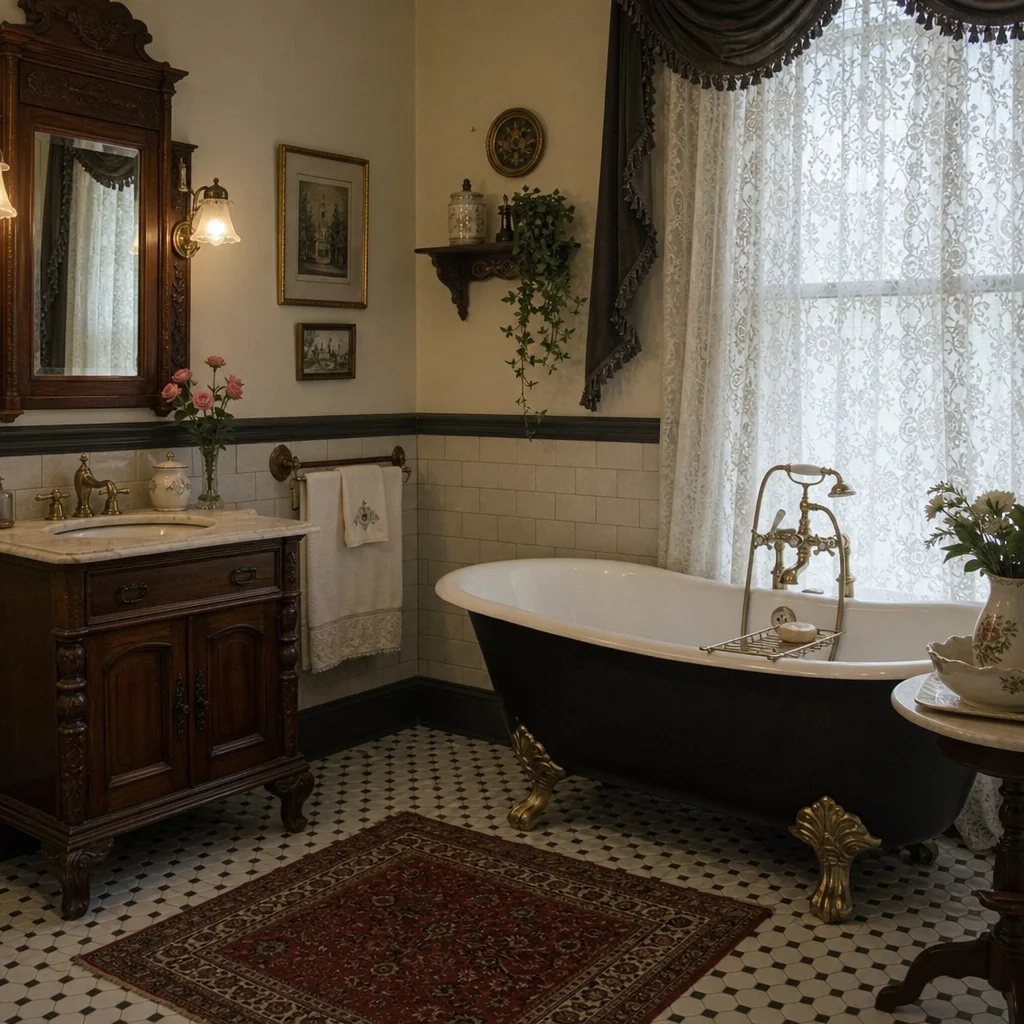
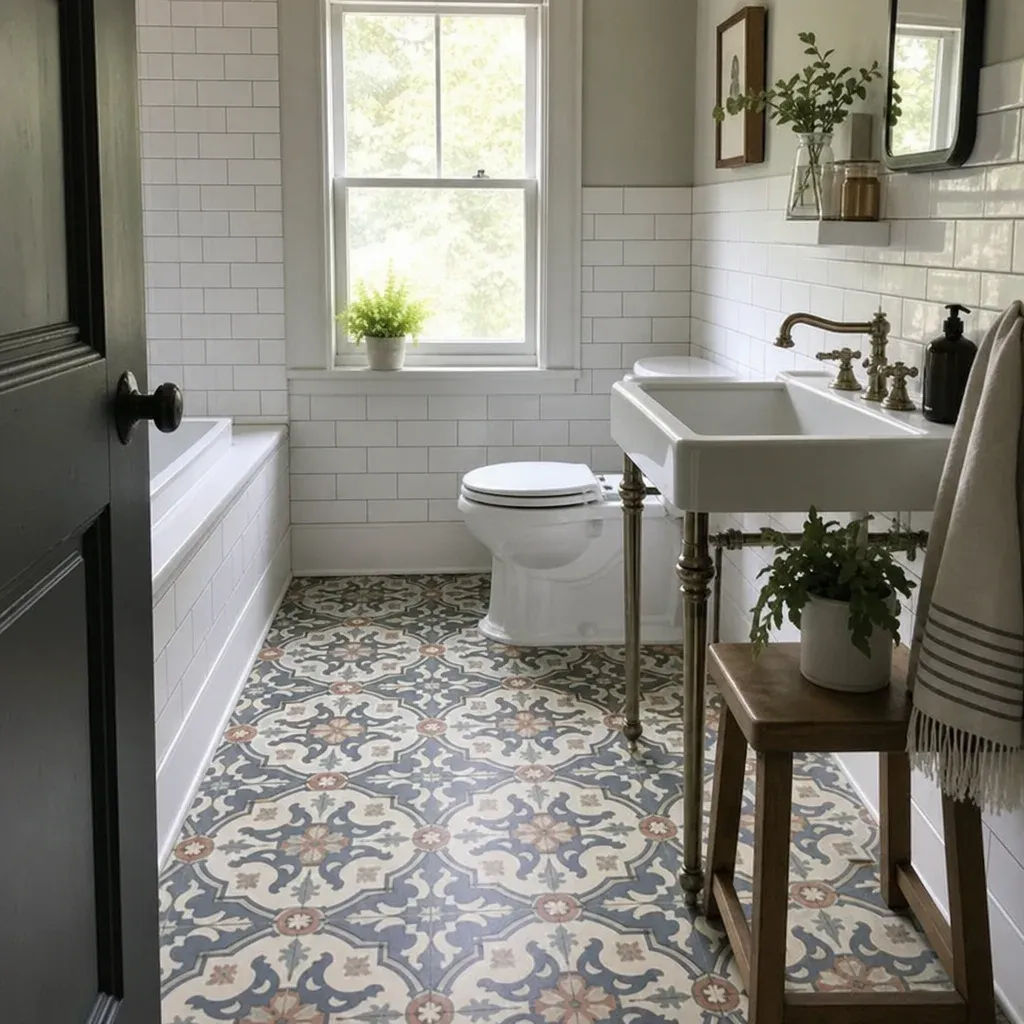
Victorian floors were often works of art in their own right. When designing your space, choosing period correct encaustic floor tiles is one of the most effective ways to make an authentic statement. These unglazed ceramic tiles feature patterns inlaid into the body of the tile, rather than painted on top. Popular patterns include geometric interlocking octagons, classic checkerboards, and intricate floral motifs. These layouts involve a lot of cutting around borders and thresholds, so order generously. A tile calculator builds in a waste allowance, which matters doubly with patterned tiles you may struggle to match later.
Alternatively, you may be lucky enough to have historical wooden floors in your home. If you want to keep them, waterproofing original victorian floorboards is absolutely essential. Because bathrooms are high-moisture environments, untreated wood will quickly warp and rot. Sealing helps, but ventilation does the heavy lifting: the EPA recommends holding indoor humidity between 30 and 50 percent and venting the extractor fan outdoors, which matters even more in a period property with original timber. You will need to carefully sand the floorboards and apply multiple coats of marine-grade polyurethane or a specialized waterproof hard wax oil, ensuring all gaps between the boards are appropriately sealed with flexible caulk to prevent water from seeping through.
Authentic Wall Treatments
Many homeowners wonder, exactly what are victorian bathroom wall treatments? Historically, full-tiled walls were rare. Instead, Victorians favored a combination of textures.
- Wainscoting and Beadboard: Installing wooden panels on the lower half of the wall (painted in rich, dark colors) protects the walls from splashes while adding architectural interest. A paint calculator handles the half-wall arithmetic.
- Lincrusta and Anaglypta: These heavily embossed wall coverings mimic the look of carved wood or tooled leather and were highly prized in Victorian homes.
- Subway Tiles: Toward the end of the Victorian era, the timeless appeal of white subway tiles emerged. Installed with very thin grout lines, these glossy ceramic tiles were prized for their clean, sanitary appearance and look just as elegant today.
Centerpieces: Tubs, Toilets, and Vanities
In victorian bathroom decorating, the sanitaryware takes center stage. Unlike modern bathrooms with built-in tubs and floating toilets, Victorian fixtures were freestanding pieces of furniture.
The Iconic Clawfoot Tub
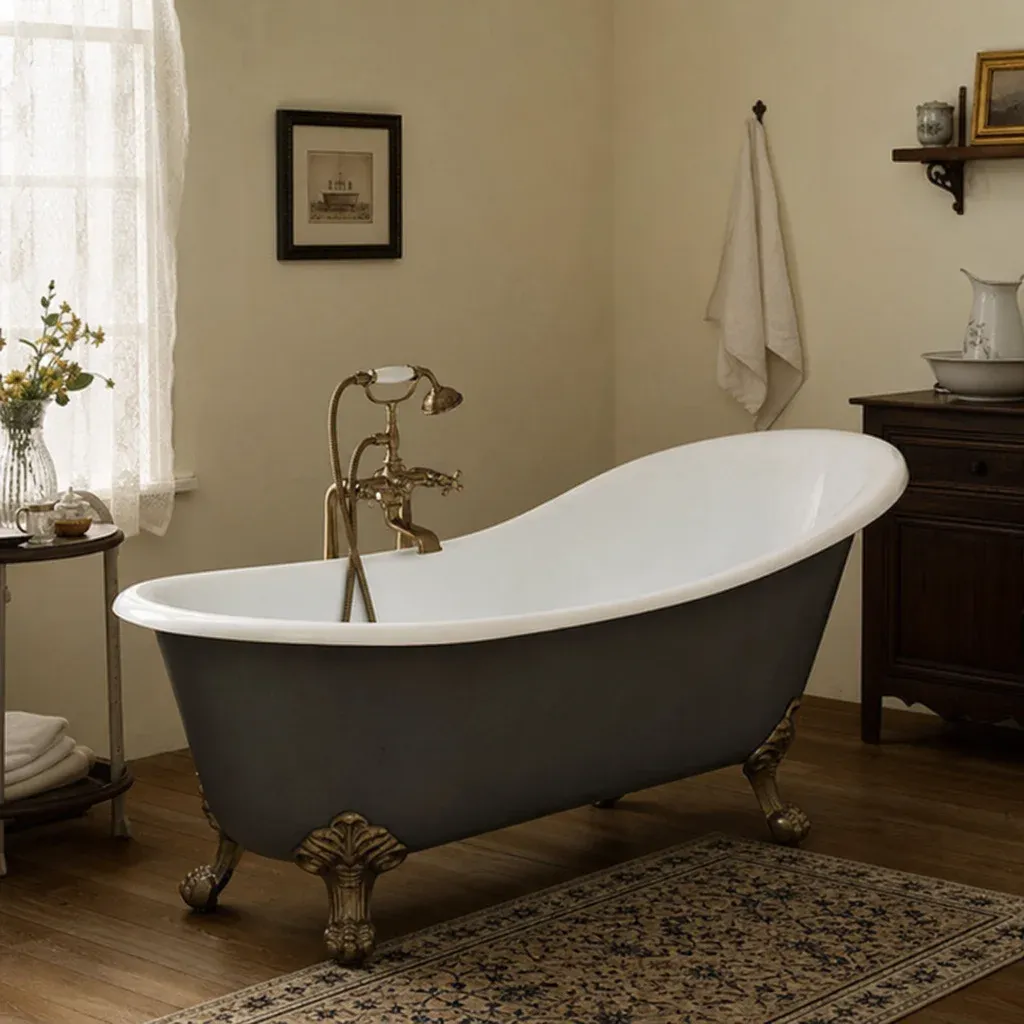
No Victorian bathroom is complete without a freestanding bathtub. But when sourcing one, you’ll likely face the debate of a slipper tub vs roll top bath.
- Roll Top Bath: This tub has edges that curve outward and roll downward, offering a uniform, symmetrical look. The faucet is usually mounted in the center or at one end.
- Slipper Tub: Designed with one end swept upward to provide back support, the slipper tub is perfect for long, luxurious soaks.
Whichever shape you choose, the benefits of cast iron clawfoot tubs cannot be overstated. While heavy and requiring sturdy floor joists, cast iron retains heat exceptionally well, keeping your bathwater warm for much longer than modern acrylic tubs. Furthermore, their durability means a well-maintained cast iron tub can last for generations.
Authentic Toilets
To truly commit to the vintage aesthetic, consider the toilet. The ultimate statement piece is a high-level toilet, which features a flush tank mounted high on the wall, operated by a long pull chain.
If you’re wondering how to install a high level toilet cistern, it requires some specific plumbing knowledge. You must ensure the wall behind the toilet is reinforced with wooden blocking to bear the heavy weight of the cast iron or ceramic tank. The long metal flush pipe must be cut to the exact size to perfectly connect the high cistern to the toilet bowl below. While installation is slightly more complex than a standard modern toilet, the dramatic vertical visual it provides is unparalleled.
The Vanity
Rather than opting for built-in, modern cabinetry, consider a reclaimed wood vanity for period homes. Converting an antique dresser, a washstand, or an old console table into a bathroom vanity adds instant character. Top it with a slab of heavily veined marble and a ceramic drop-in sink to seamlessly blend historical aesthetics with modern functionality.
Fixtures and Hardware: The Jewelry of the Bathroom
The hardware you choose acts as the jewelry of your bathroom, pulling the entire design together. This is where elegant bathroom ideas truly come to life.
Hardware Finishes
For a historically accurate look, avoid modern polished chrome or matte black. Instead, lean into antique brass bathroom hardware finishes. Unlacquered brass is particularly desirable because it develops a beautiful, living patina over time, oxidizing and aging gracefully with every use. Polished nickel is another excellent, period-appropriate option that offers a slightly warmer, more luxurious tone than chrome.
Taps and Mixers
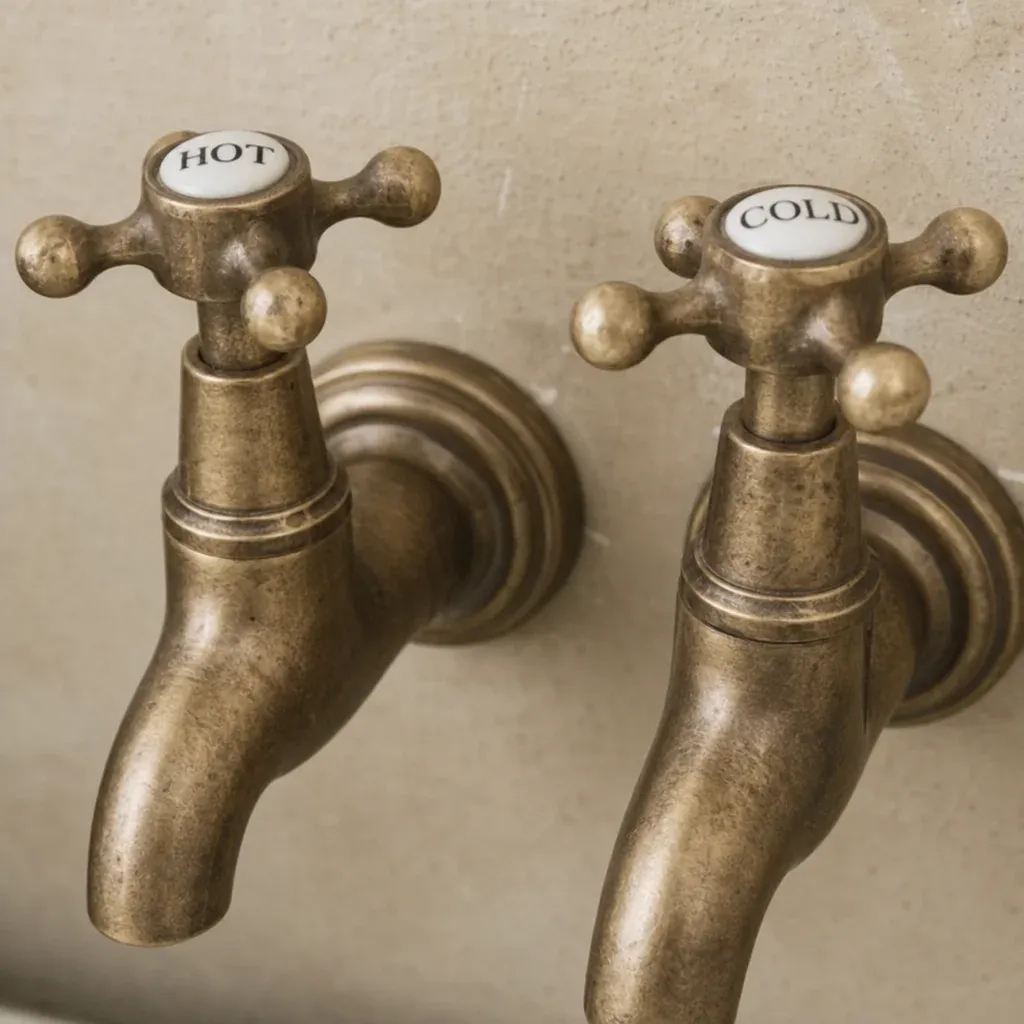
When selecting your faucets, look for traditional crosshead taps and mixers. These feature the classic “X” shape handles, often adorned with ceramic indices labeled “Hot” and “Cold” in a vintage, scrolling font. For the bath, a traditional telephone-style hand shower mounted on a cradle above the tub taps adds the ultimate Victorian touch.
Restoring Old Fixtures
If you prefer genuine antiques over modern reproductions, you will need to know how to restore vintage bathroom fixtures.
- Cleaning: Begin by soaking heavily scaled brass or nickel fixtures in a solution of warm water and white vinegar to break down mineral deposits.
- Polishing: Use a gentle, non-abrasive metal polish to bring back the shine without stripping the underlying plating.
- Mechanical Restoration: Old taps often leak. You will likely need to disassemble the stems, replace the rubber washers, and repack the glands with modern plumber’s tape or graphite packing string to ensure they meet modern plumbing standards without leaking.
Clever Tips for Compact Spaces
Not everyone has the luxury of a massive, sprawling washroom. If you live in an urban environment or a cottage, making a small bathroom look victorian requires a bit of strategic planning so the ornate details don’t overwhelm the space.
- Pedestal Sinks: Swap out a bulky vanity for a classic ceramic pedestal sink. This exposes more floor space, making the room feel instantly larger while remaining historically accurate.
- Vertical Draw: Use beadboard or wainscoting painted in a light hue to draw the eye upward.
- Mirrors: A large, ornately framed antique mirror will bounce light around the room, faking the illusion of square footage.
- Compact Tubs: If you are set on a tub, look for a petite slipper tub, which has a smaller footprint than a standard roll-top.
Decorating a victorian bathroom in a small space is all about balancing the intricate details with breathing room.
Furnishings, Lighting, and Details
The final layer of victorian bathroom decor involves the accessories and architectural details that bring the room to life.
Privacy and Light
Victorian bathrooms required privacy, but thick curtains weren’t ideal in damp environments. Today, incorporating etched glass privacy windows for bathrooms is a brilliant solution. Etched or frosted glass—often featuring delicate fern, floral, or geometric patterns—allows abundant natural light to flood the room while keeping prying eyes out.
Lighting Fixtures
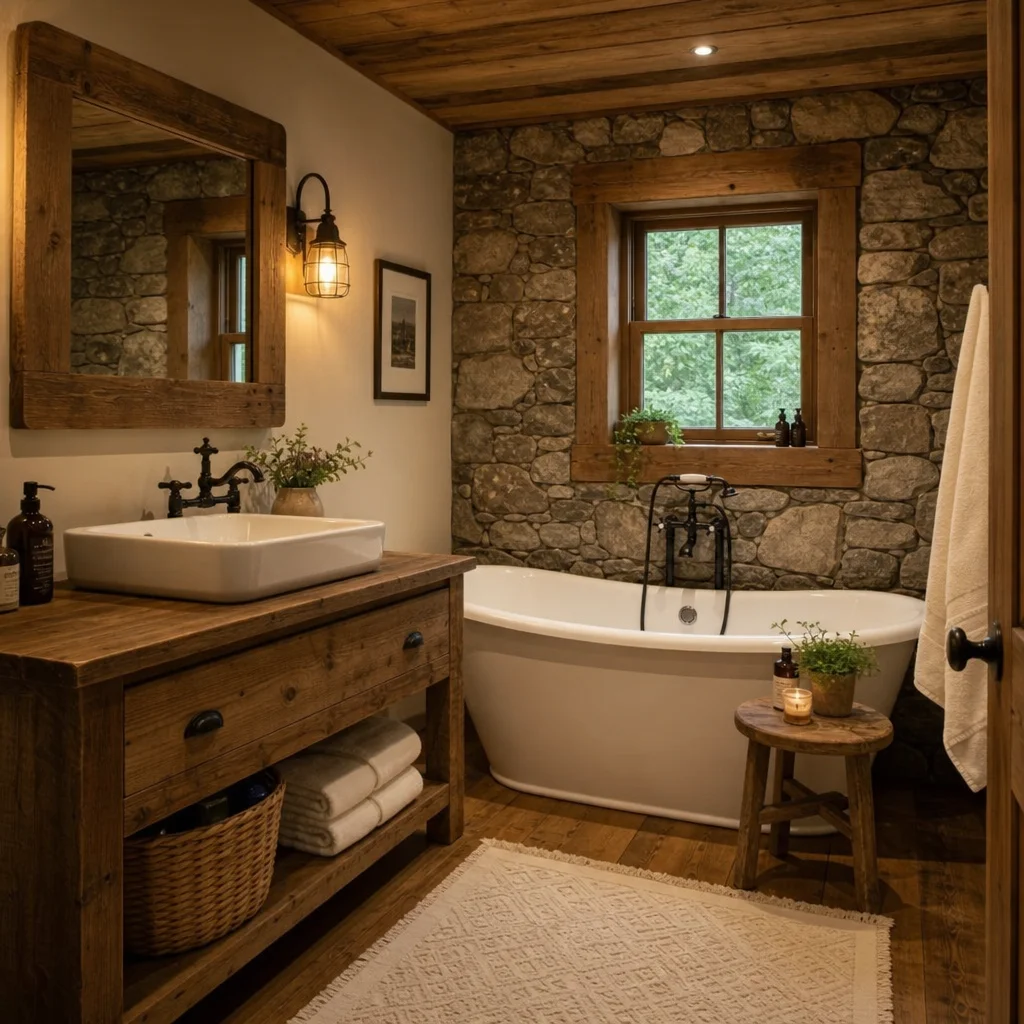
Discard modern recessed lighting. Instead, opt for wall sconces featuring fluted glass shades or milk glass globes. If you have high ceilings, a sparkling crystal chandelier or a brass pendant light positioned over the bathtub serves as a stunning focal point. Warm, low-output bulbs suit the period, but check the room still has enough total light with a lighting calculator, and note that fixtures above a tub must be rated for damp locations. Rustic bathroom decor reaches a similarly aged look with different materials.
The Finishing Touches
Complete your timeless bathroom decor by treating the bathroom as a standard living space. Victorians loved to decorate! Hang framed botanical prints or vintage portraits on the walls. Place a plush, Persian-style runner rug on the floor instead of a standard bath mat. Display your soaps in antique china dishes, and keep a small wooden stool or an upholstered boudoir chair near the tub to hold your plush towels.
Conclusion
Successfully decorating a victorian bathroom is about embracing a balance of opulence, craftsmanship, and comfort. By carefully selecting the right materials—from the rich patina of your hardware to the historic charm of your floor tiles—you can create a sanctuary that transcends passing design trends.
Whether you lean toward a moody, historically strict reproduction or prefer a bright, modern Victorian blend, these victorian bathrooms decorating ideas offer endless inspiration. By focusing on quality fixtures, authentic details, and a carefully curated color palette, you will cultivate a timeless space where you can relax, unwind, and soak in the elegance of a bygone era.