When we think about decorating our living spaces, our minds often jump straight to paint colors, furniture layouts, and framed wall pieces. However, introducing three-dimensional art can completely transform the energy and depth of a room. While flat canvases provide color and texture, sculptures for home decor introduce volume, shadow, and a tactile quality that invites interaction.
Whether you want to add a touch of sophistication to a bare corner or create a dramatic focal point in your foyer, three-dimensional art offers endless possibilities. In this comprehensive guide, we will explore how to select, place, and style these stunning additions to elevate your interior aesthetic.
The Impact of Sculptures in Interior Design
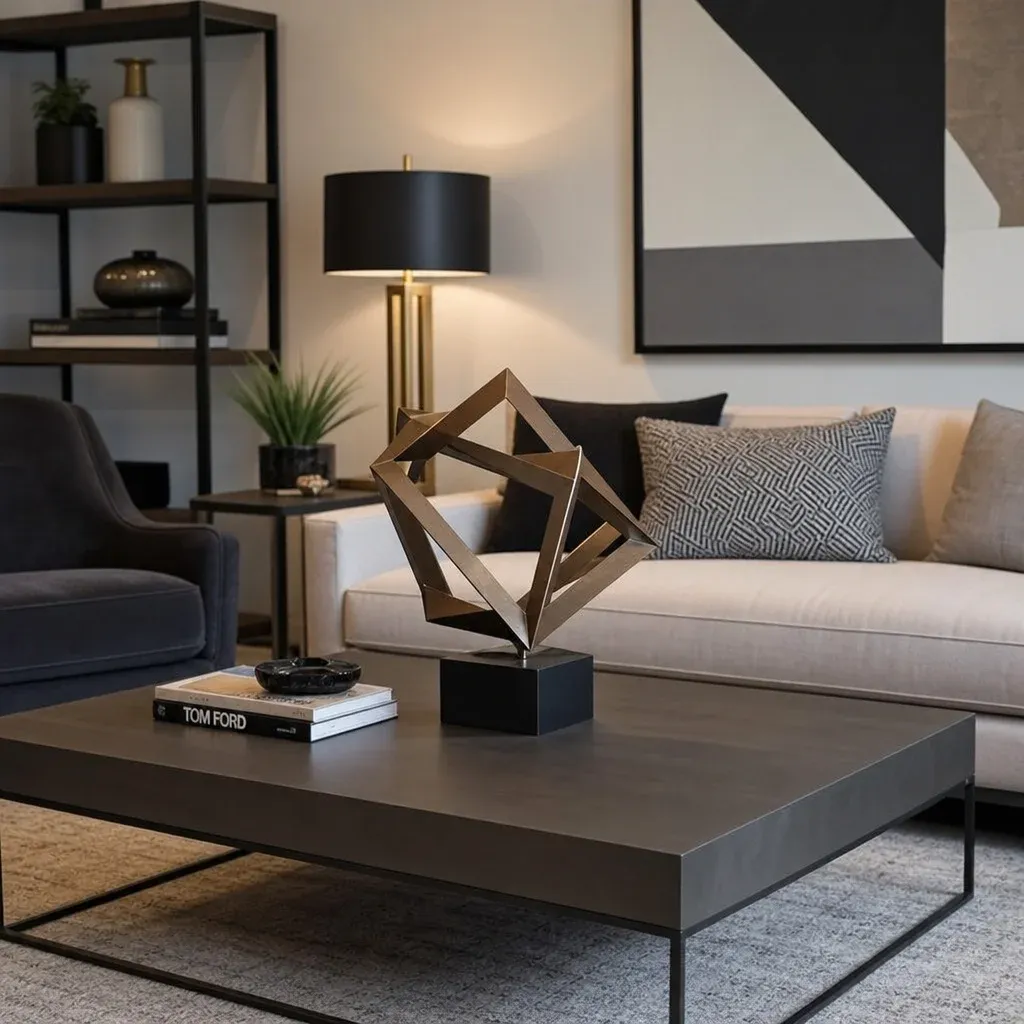
A well-designed room relies on layers, textures, and unexpected moments that draw the eye. While 2D art is confined to the boundaries of its frame, 3D art interacts with its environment. It changes depending on where you stand and how the light hits it throughout the day.
If you are currently researching how to choose art for interior design, a good rule of thumb is to look for pieces that disrupt the predictable lines of your furniture. Most rooms are filled with horizontal and vertical lines—sofas, tables, rugs, and windows. Introducing curves, jagged edges, or fluid forms through art breaks up this rigidity, making the space feel more dynamic and curated.
When you integrate art for home that possesses depth and weight, you instantly add a layer of luxury and intentionality to your design scheme.
Selecting the Perfect Style for Your Aesthetic
The beauty of sculptural art lies in its versatility. No matter what your current interior design style is, there is a piece that will perfectly complement it.
Contemporary and Industrial Edge
If your home features clean lines, neutral palettes, and concrete or glass finishes, modern sculptures are the perfect match. These pieces often challenge traditional forms, favoring geometric shapes or abstract fluidity.
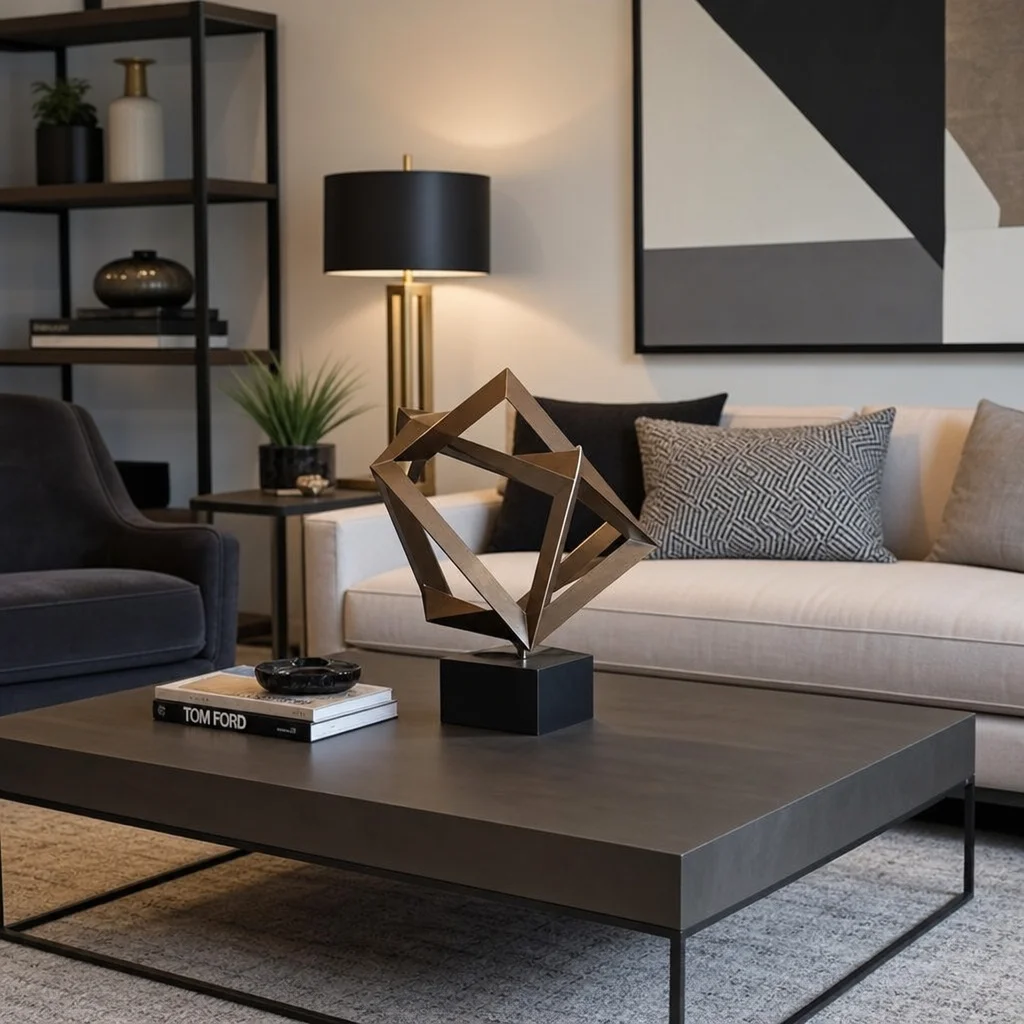
- Metal masterpieces: Consider investing in modern abstract metal art pieces. Crafted from steel, aluminum, or iron, these sculptures catch the light beautifully and add an industrial, cutting-edge vibe to contemporary lofts and living rooms.
- Abstract forms: Modern sculptures for home decor often utilize negative space—the empty areas within or around the artwork—as much as the solid material itself. This makes them ideal for open-concept homes where you want to maintain an airy, uncluttered feel.
Mid-Century and Minimalist Charm
For those who prefer a “less is more” approach, subtlety is key. You don’t need massive installations to make an impact.
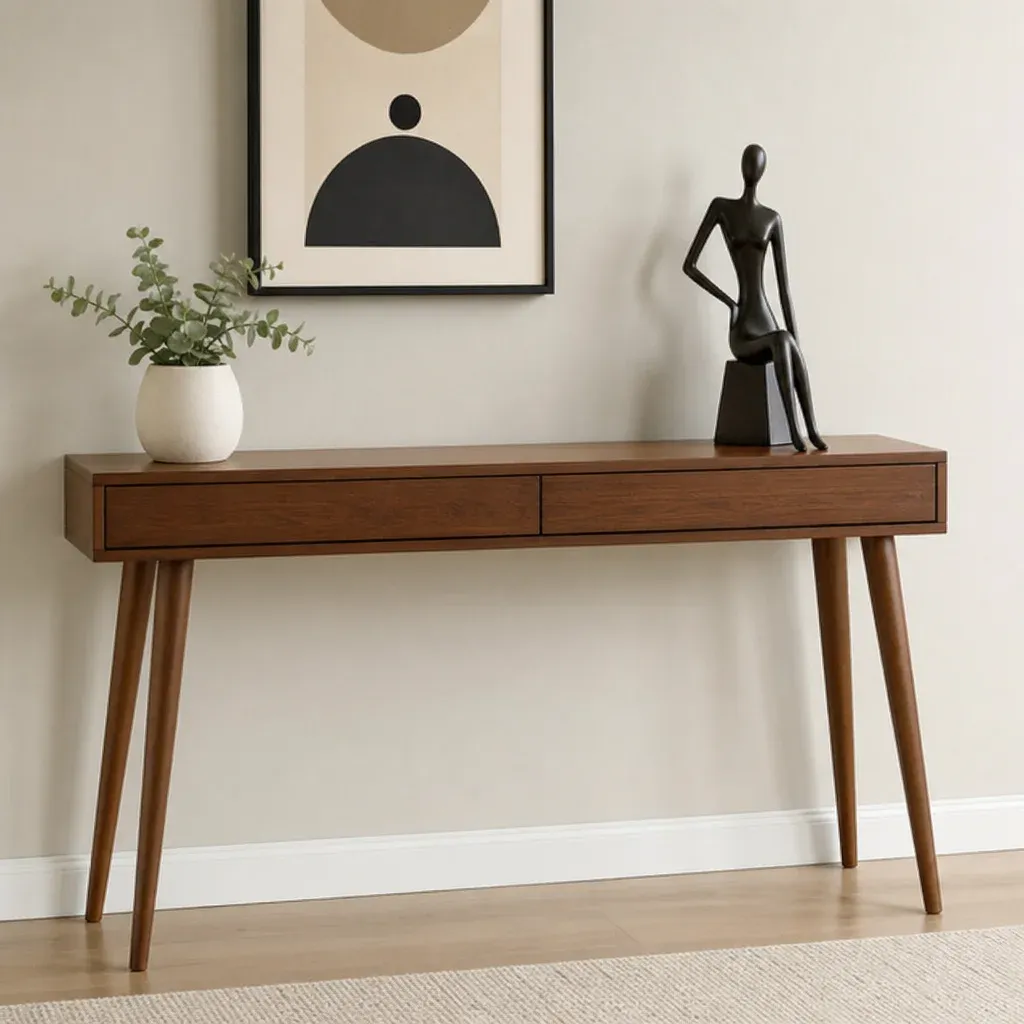
- Tabletop accents: Minimalist tabletop accent statues are fantastic for styling bookshelves, consoles, or coffee tables. A simple, continuous line drawing translated into a wire sculpture, or a smooth soapstone curve, can speak volumes without overwhelming the space.
- Retro vibes: If your home features teak furniture and bold geometric rugs, look for mid-century modern aesthetic figurines. Think stylized animal forms, atomic-inspired starburst shapes, or smooth, organic curves reminiscent of the 1950s and 60s design movements.
Organic, Rustic, and Eco-Friendly
For homes that lean towards a bohemian, farmhouse, or biophilic design, natural materials are essential. Bringing elements of the outdoors inside creates a grounding, peaceful atmosphere.
- Wood and earth: Opt for sustainable reclaimed wood carvings. These pieces not only tell a story of their past life but also bring warmth and rich texture into your home. The natural grain, knots, and imperfections of reclaimed wood make every single piece entirely unique.
Placement Strategies: From Grand Entryways to Cozy Corners
Finding the right piece is only half the battle; knowing where to put it is where the true design magic happens.
Making a Grand Statement
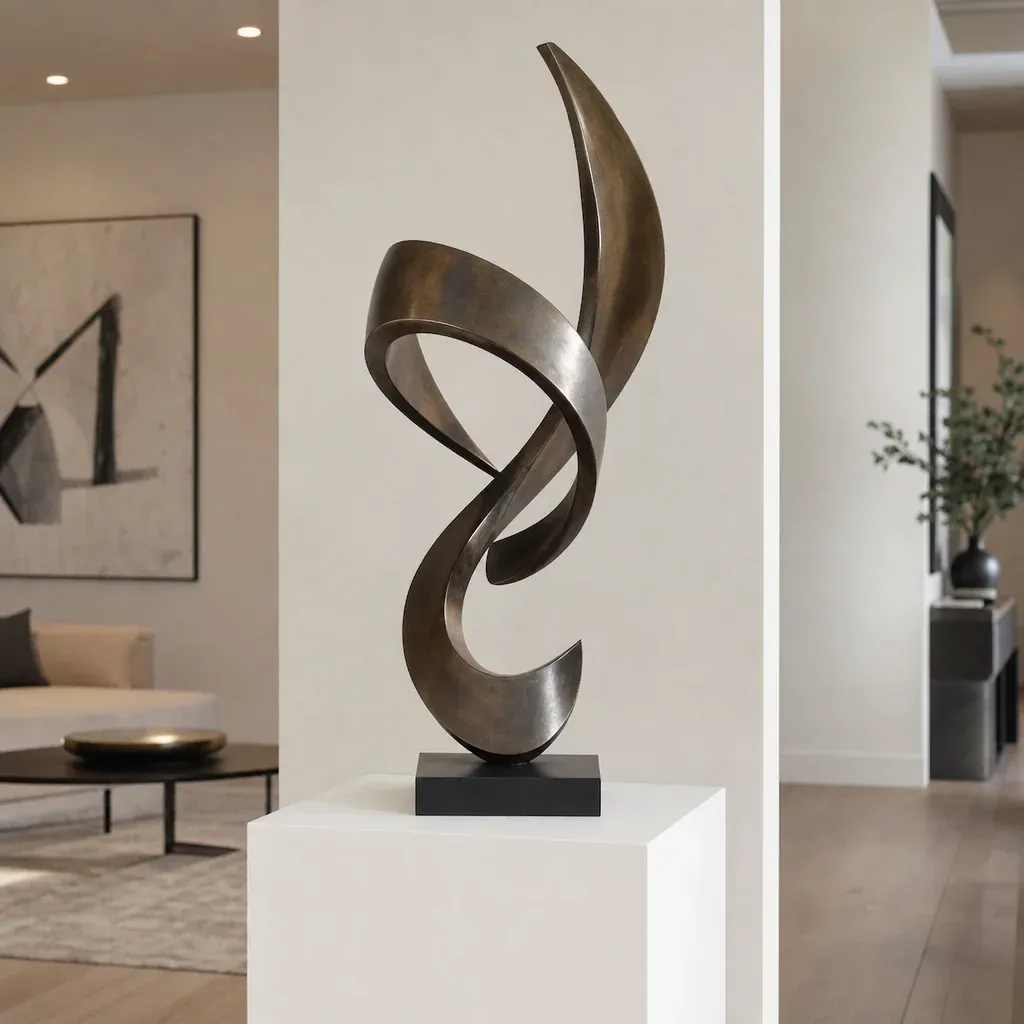
First impressions matter. If you have the square footage, oversized floor sculptures for entryways instantly set a sophisticated tone for the rest of your home. A tall, vertical piece draws the eye upward, highlighting high ceilings or intricate light fixtures. When working with large sculptures for home decor, ensure the surrounding area is kept relatively minimal. Let the sculpture breathe and act as the undisputed star of the room.
Maximizing Limited Spaces
Not everyone has a sprawling foyer, and that is perfectly fine. If you are wondering where to place sculptures in a small apartment, the secret is utilizing transitional spaces and multi-functional furniture.
- Bookshelves and built-ins: Nestle small home decor sculptures between stacks of books. This adds visual interest and breaks up the monotony of book spines.
- Window sills and mantels: Utilize these natural ledges. The natural light from a window will beautifully illuminate glass or polished metal pieces. Smaller sculptural objects also work well in a coffee table arrangement, where varied heights are what make a grouping read as curated.
- Floating shelves: Install a dedicated floating shelf in a narrow hallway exclusively for a singular, striking piece.
The Art of Elevation
Sometimes, a piece needs a little help to reach its full potential. This is where styling pedestals for three-dimensional art comes into play. Placing a medium-sized sculpture on a sleek, minimalist plinth immediately elevates its status, giving it a museum-quality presence. Pedestals are especially useful for filling awkward, empty corners in dining rooms or living areas where a piece of furniture would feel too bulky. There are other ways to resolve that dead space in decorating living room corners.
Material Matters: Durability, Texture, and Value
The material of your chosen artwork affects not only its appearance but its longevity, weight, and price point. It is essential to understand what you are buying, especially if you consider your decor an investment.
Understanding Materials
When shopping for decorative sculptures, you will frequently encounter a debate regarding bronze vs resin sculpture durability.
- Bronze: This is a classic, heavyweight material that lasts for centuries. It develops a beautiful, natural patina over time and is highly resistant to damage. However, bronze is heavy and often comes with a premium price tag.
- Resin: Resin is an incredibly versatile, lightweight, and cost-effective alternative. It can be molded to mimic almost any material—from marble to bronze to wood. While high-quality resin is durable, it can chip if dropped and may fade if placed in direct, harsh sunlight for extended periods.
Authenticity and Sourcing
Another crucial consideration is deciding between a hand-carved original vs mass-produced replicas.
- Originals: Purchasing a hand-carved or uniquely forged original means you own a one-of-a-kind piece of art. You are supporting an artist and acquiring something that holds, and potentially increases, its value.
- Replicas: Mass-produced replicas are highly accessible and budget-friendly. They allow you to achieve a specific high-end look without the designer price tag. Ultimately, the choice depends on your budget and how much you value artistic exclusivity.
Expert Styling Tips for Three-Dimensional Art
To truly master the art of displaying sculptures, interior designers rely on a few advanced techniques. These strategies ensure your art integrates seamlessly into your living space.
1. Mastering Proportion
One of the most common decorating mistakes is ignoring scale. Balancing scale and proportion with ornaments is vital. A tiny, delicate glass figurine will get completely lost on a massive, chunky oak dining table. Conversely, a massive stone bust will overwhelm a delicate, glass-topped side table. Match the visual weight of your art to the furniture it rests on.
2. Illuminating Your Art
Lighting can make or break 3D art. Without proper illumination, textures flatten out and details disappear in the shadows. Implementing professional lighting techniques for displaying statues makes a world of difference.
- Directional lighting: Use ceiling-mounted spotlights or track lighting angled at 30 degrees to highlight the piece without creating harsh, unflattering shadows.
- Uplighting: Placing a small, discreet floor spotlight at the base of a large floor sculpture casts dramatic, theatrical shadows on the wall behind it.
Warm-toned bulbs flatter most materials; the Department of Energy’s lighting guide explains how to read color temperature off the label, and a lighting calculator sets the output the room needs overall.
3. Introducing Movement
Not all sculptures have to be static and grounded. If you have high ceilings and want to draw the eye upward, look into kinetic mobile art installations. These suspended sculptures, popularized by artists like Alexander Calder, move gently with the natural air currents in your home. They are mesmerizing, calming, and add an entirely unexpected dimension to living rooms or nurseries.
4. Blending Indoor and Outdoor Spaces
Don’t limit your artistic vision to the interior of your home. Extending your decor out onto patios, balconies, or gardens creates a cohesive living environment. Look for weather-resistant garden focal points made of treated steel, stone, or specialized outdoor composites. Placing a striking sculpture at the end of a garden path or nestled among tall ornamental grasses creates a magical, secret-garden aesthetic that complements your interior design.
5. Curating the Experience
Ultimately, your goal should be creating a gallery feel at home. This doesn’t mean your house should feel like a sterile museum; rather, it should feel curated and intentional. Give your pieces room to breathe. Group smaller, related objects together in odd numbers (groups of three or five are visually pleasing), and allow your larger, standalone pieces to command their own space.
Conclusion
Decorating a home is a deeply personal journey, and the objects you choose to surround yourself with should spark joy and tell a story. Moving beyond flat wall art opens up an exciting realm of design possibilities. By playing with scale, light, and placement, you can dramatically shift the atmosphere of any room.
Whether you are drawn to sleek, metallic abstracts, warm reclaimed wood, or classic mid-century silhouettes, carefully chosen sculptures for home decor will undoubtedly breathe new life into your environment. Take your time, trust your eye, and don’t be afraid to make a bold, three-dimensional statement.