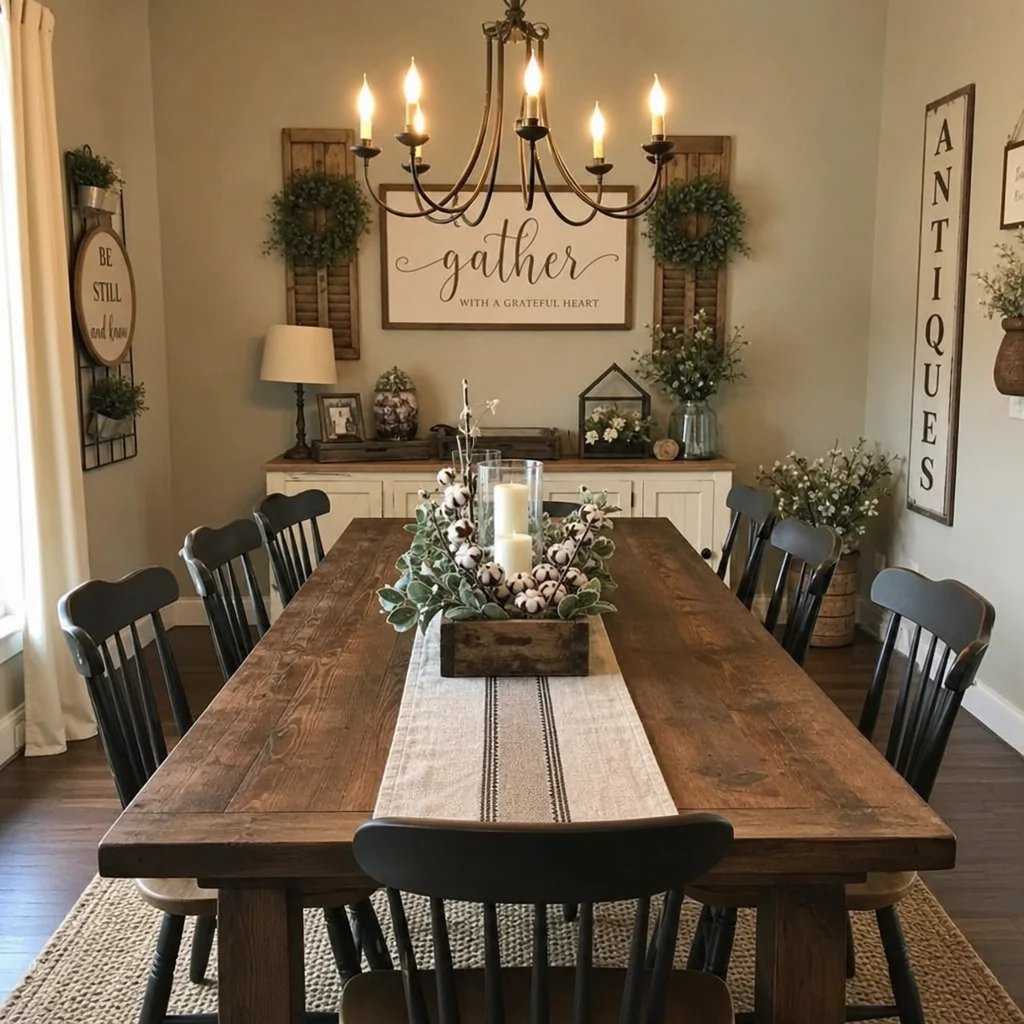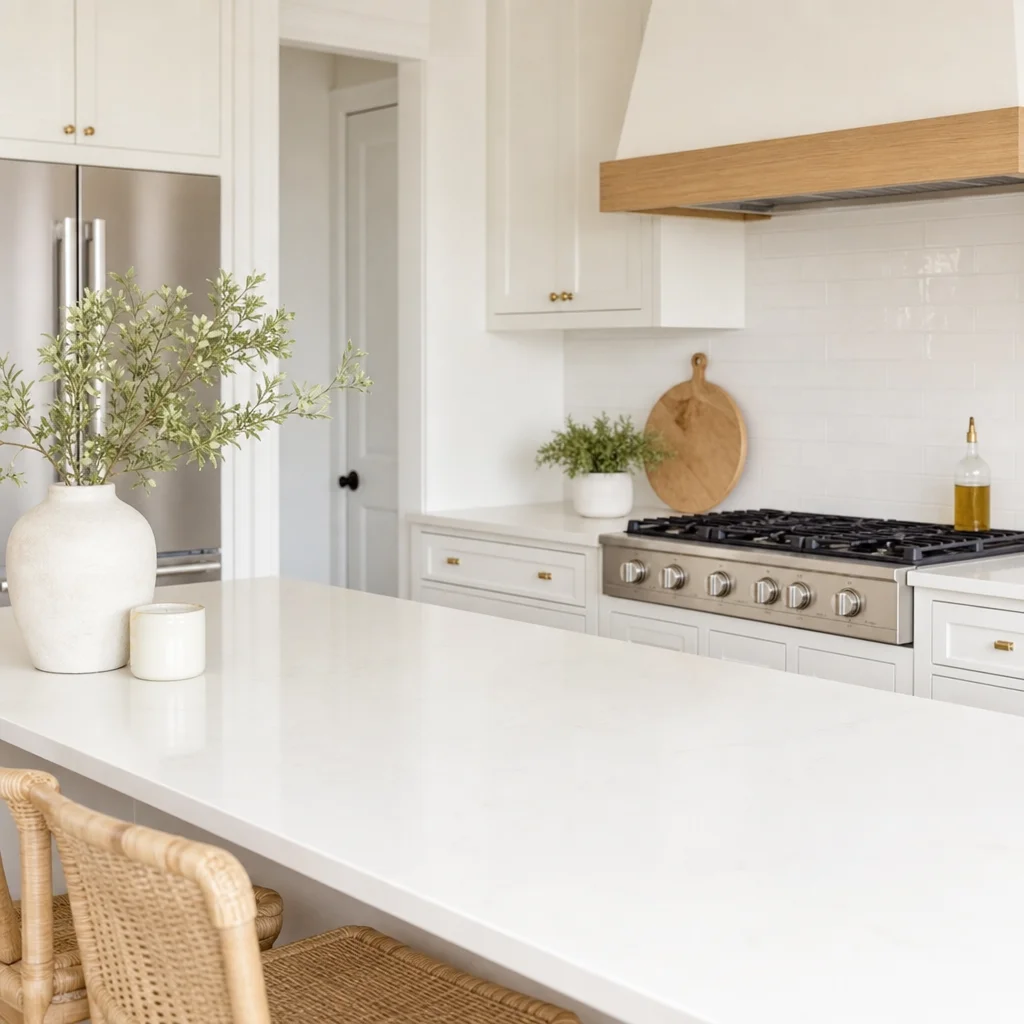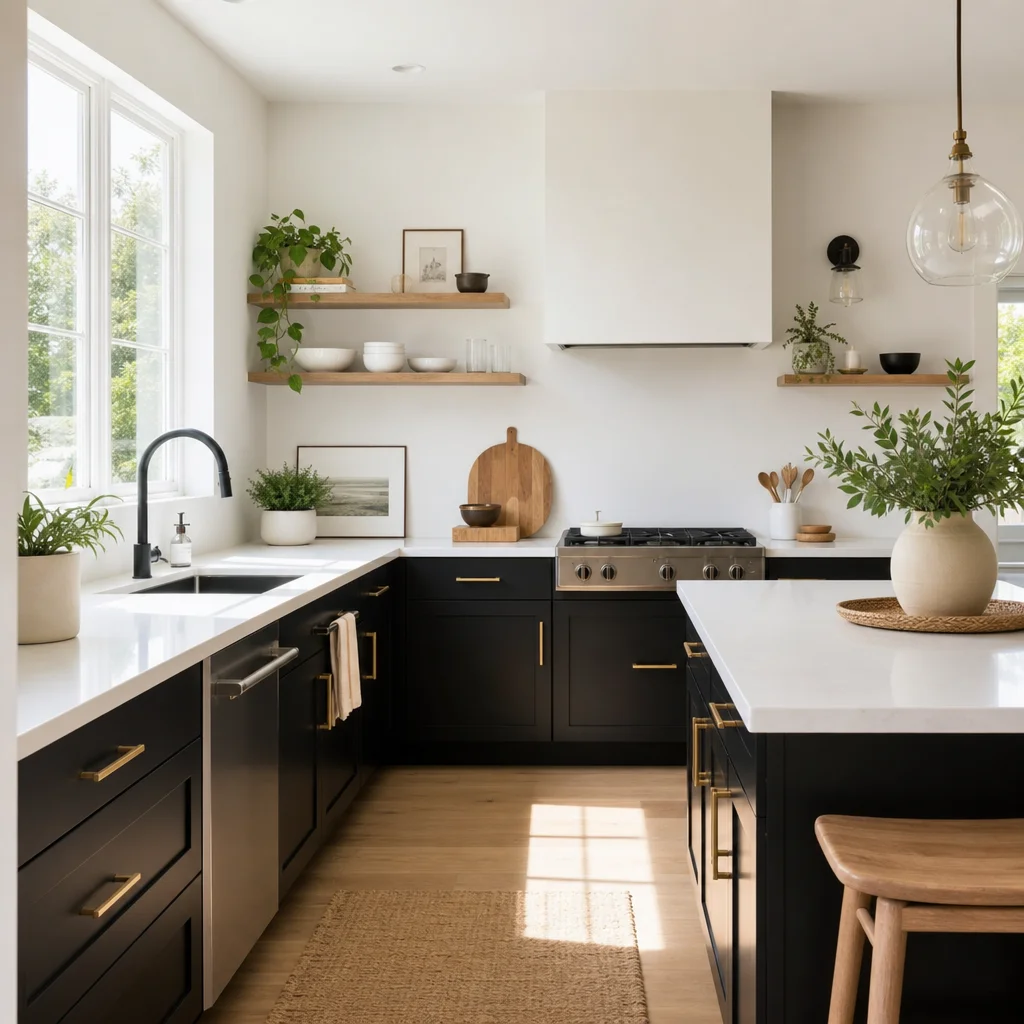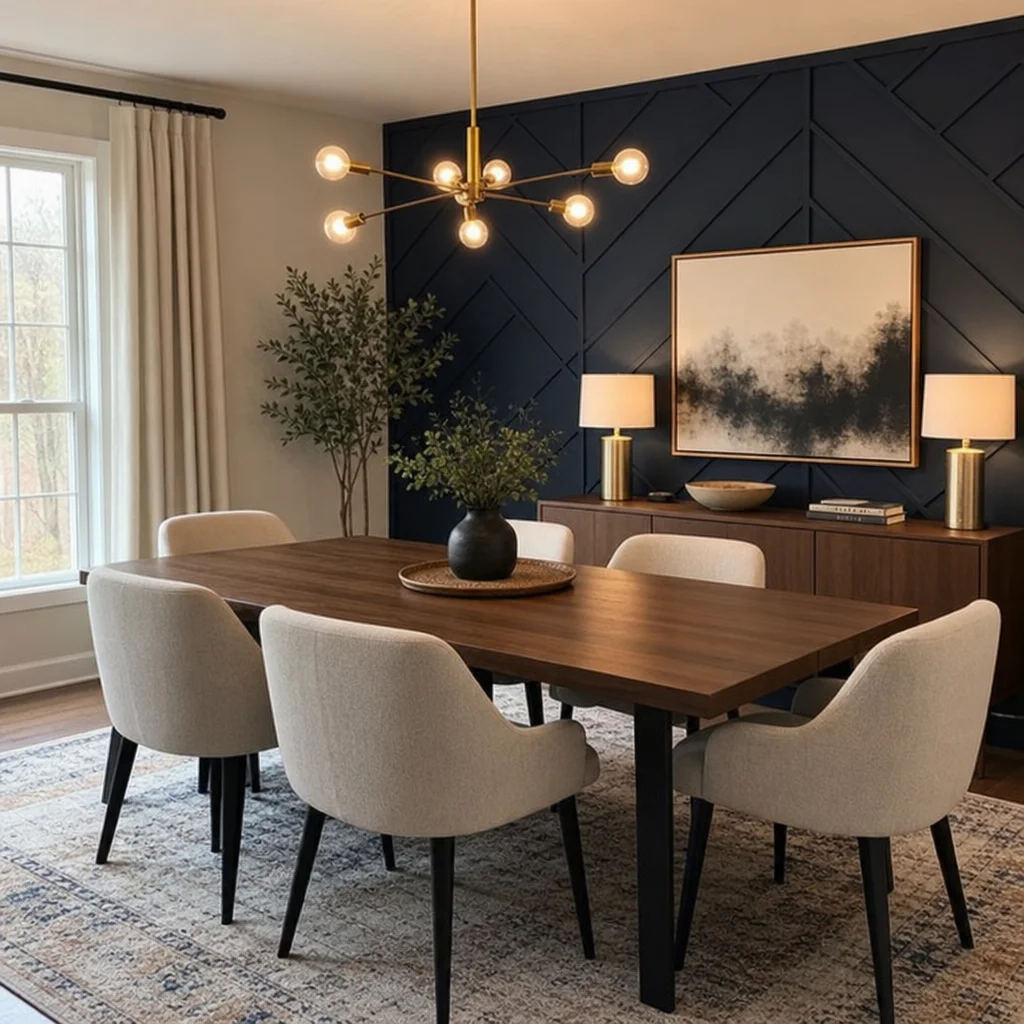
The dining room is often the heart of the home—a place where families gather for weeknight dinners and friends linger over weekend wine. Yet, despite its importance, the walls in this space are frequently overlooked, left blank, or treated as an afterthought. If you find yourself staring at a blank canvas and wondering where to begin, you are not alone.
When it comes to decorating a dining room wall, the possibilities are endless. Whether you are dealing with a cozy corner in an apartment or a grand, dedicated entertaining space, the right design choices can completely transform the atmosphere. From striking architectural details to curated art collections, let’s explore how to elevate your space with stylish, functional, and visually captivating ideas.
Establishing Your Aesthetic: The Foundation of Dining Room Design
Before you start hammering nails or ordering wallpaper samples, it is essential to determine the overall mood you want to achieve.
Choosing the Right Colors
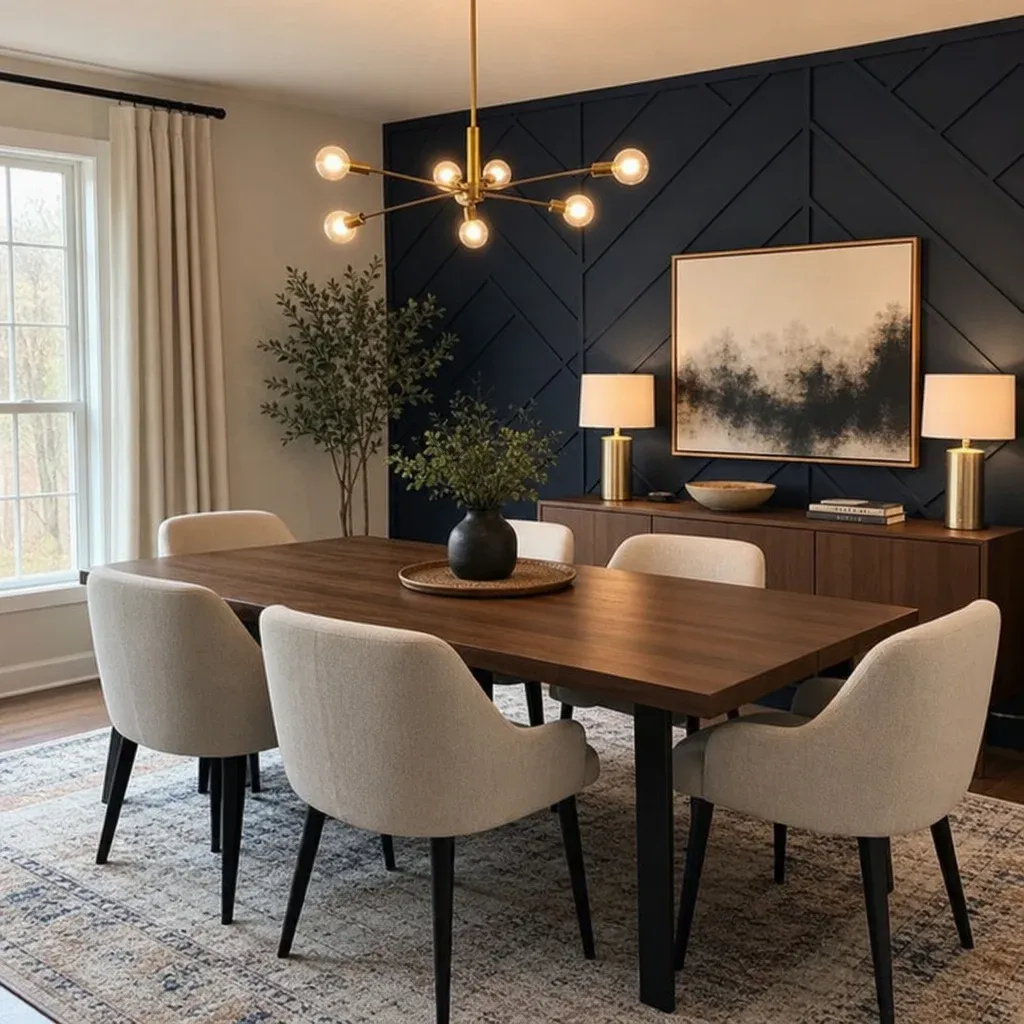
The foundation of any great room begins with color. The best color palettes for formal dining rooms often lean toward moody, sophisticated hues that create an intimate atmosphere, especially under evening lighting. Think deep navy blues, rich emerald greens, warm charcoals, or earthy terracottas. For a more casual, airy feel, soft warm whites, taupes, and muted sage greens work wonders.
Wallpaper vs. Paint
When establishing a focal point, the debate of wallpaper vs paint for accent walls often arises. Paint is cost-effective, easy to update, and perfect for bold, solid colors; a paint calculator will size up the job. Wallpaper, on the other hand, introduces pattern, texture, and movement, and the wallpaper calculator accounts for the pattern repeat that catches most people out. A large-scale botanical or a subtle geometric print can add immediate character to a space without requiring additional art.
Finding Your Style Profile
As you brainstorm dining room wall decor ideas, consider where you fall on the design spectrum. The choice between minimalist vs maximalist wall styling dictates your next steps:
- Minimalist: Focuses on negative space, one large focal piece of art, neutral tones, and sleek finishes.
- Maximalist: Embraces layered artwork, heavily patterned wallpapers, mixed textures, and rich, vibrant colors.
Architectural Elements and Textured Wall Treatments
You do not need to rely solely on framed pictures to make a statement. Adding three-dimensional architectural elements is one of the most effective modern dining room decorating ideas available today.
Wood Paneling and Slats
Traditional molding will always have its place, but modern wainscoting and paneling styles—such as board and batten, shiplap, or reeded panels—offer a fresh, updated look. They add depth and sophistication without overwhelming the space.
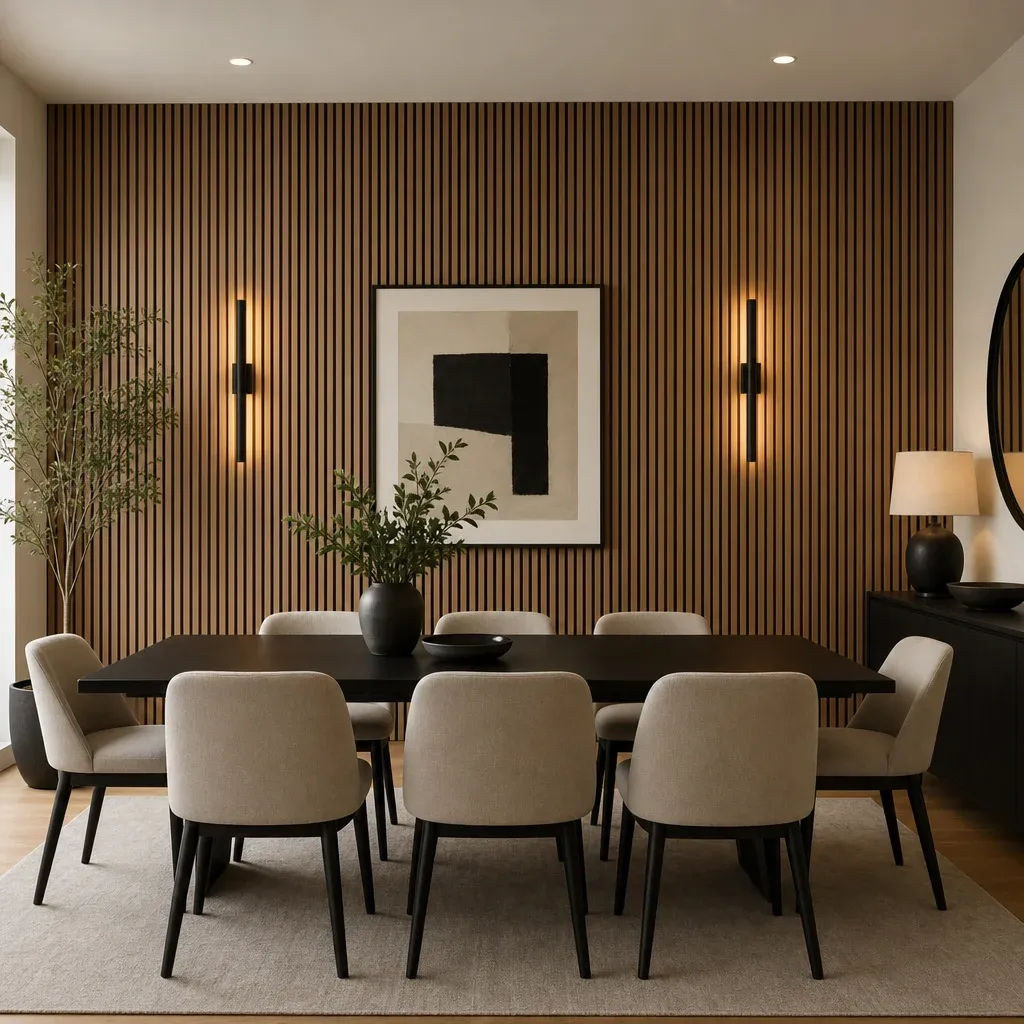
For a highly contemporary and functional upgrade, consider an acoustic wood slat wall installation. Not only do these vertical slats bring beautiful, Scandinavian-inspired texture and warmth to the room, but they also help absorb sound. This is particularly beneficial in dining rooms where echoing conversations and clinking silverware can create a noisy environment.
Solutions for Renters
If you do not own your home, you can still achieve a custom look. There is a growing market of rental friendly dining room wall treatments. Peel-and-stick wallpapers, removable foam moldings, and large-scale temporary murals allow you to dramatically change your space without risking your security deposit.
Curating Art and Mirrors
For many, the go-to solution for wall decorations for dining room spaces is artwork. But how you hang and arrange these pieces makes all the difference.
Making a Statement with Scale
If you have a vast, empty stretch of drywall, tiny frames will look entirely lost. You need large dining room wall decor ideas. A massive, oversized canvas, a large triptych (a piece of art divided into three panels), or a grand tapestry can anchor the room.
The Art of the Gallery Wall
If you prefer a collection of smaller pieces, creating a symmetrical gallery wall layout is a brilliant strategy, particularly if you are looking for formal dining room decorating ideas. Unlike an eclectic, asymmetrical gallery wall, a symmetrical layout features identical frames spaced perfectly apart (usually 2 to 3 inches) in a grid. This brings a sense of order, elegance, and tailored sophistication to the room.
Hanging Height and Proportion
A common dilemma is figuring out how high to hang art over a sideboard or buffet. As a general rule, the bottom edge of your artwork or mirror should sit about 4 to 6 inches above the top of the furniture. The same proportions govern hanging art above a sofa, where the 57-inch rule and heavy-mirror hardware are covered in more depth. This ensures the decor feels connected to the piece below it rather than floating aimlessly near the ceiling.
Maximizing Space with Mirrors
Lighting and space are precious commodities. Proper oversized mirror placement for small spaces can work magic in a cramped dining area. Leaning a massive floor mirror against a wall or hanging a wide horizontal mirror directly opposite a window will reflect natural light, instantly making the room feel twice as large.
Unique Displays and Textural Elements
Step outside the box of traditional canvas and paper to give your dining room a distinctive personality.
Vintage and Ceramic Collections
One of the most charming and time-honored ways of decorating a dining room wall is by utilizing plate collection display techniques. Whether you are showcasing heirloom fine china, eclectic vintage finds, or modern artisanal ceramics, plates can be arranged in rigid geometric grids for a modern look, or in flowing, organic shapes for a more whimsical feel. Always use sturdy, invisible wire plate hangers to secure them safely.
Woven Art and Fabric
To soften the hard edges of a wooden dining table and chairs, consider bringing in fabric. Textural wall hangings and tapestries, such as large-scale macrame pieces, framed vintage scarves, or woven wool art, add an incredibly cozy, tactile element to the room.
Functional Display Shelves
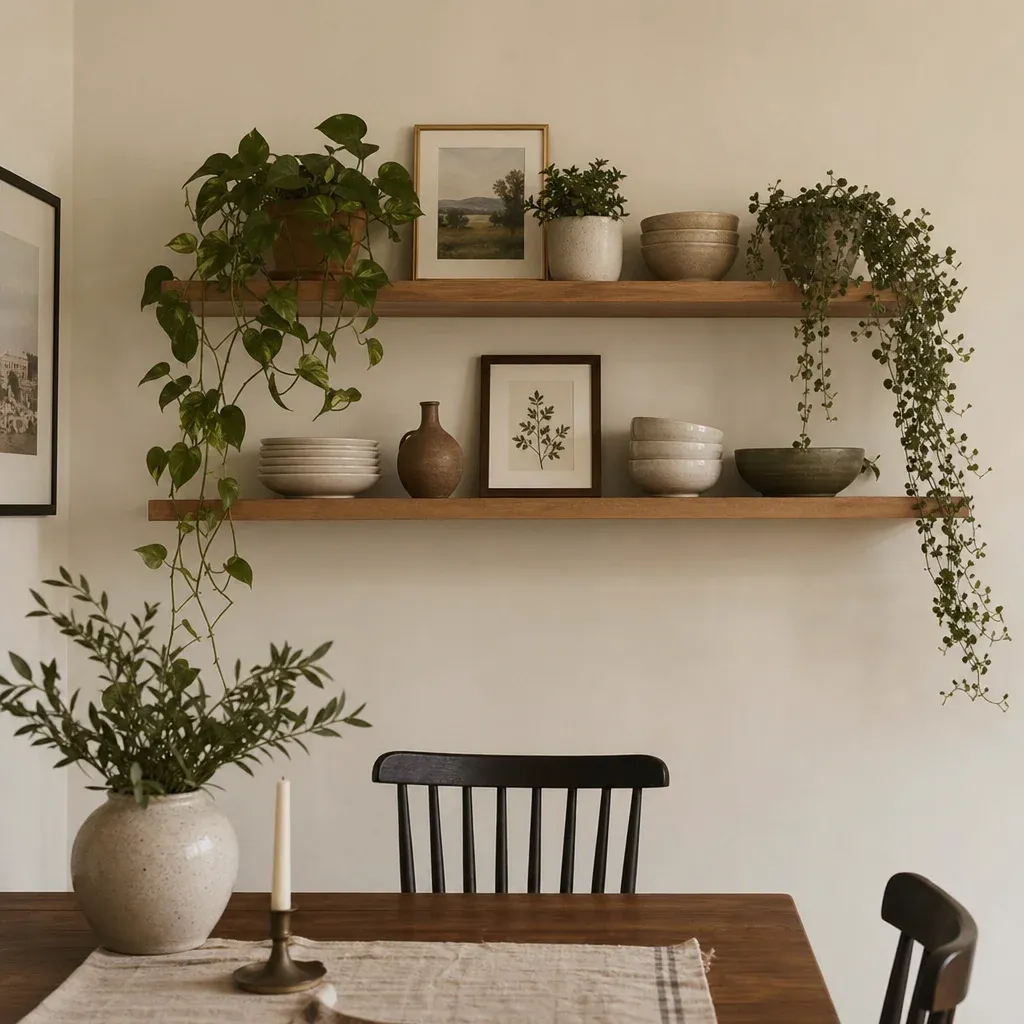
If you prefer decor that you can change out easily, styling floating shelves in a dining area is a versatile choice.
- Layering: Lean pieces of art of varying heights against the wall.
- Greenery: Add trailing plants like pothos or string of pearls to bring life to the space.
- Practicality: Mix in functional dining items, such as a beautiful stack of cloth napkins, your favorite decanter, or sculptural water pitchers.
Lighting and Nook Functionality
Decorating a dining room wall isn’t just about what you hang on it; it’s also about how you illuminate and interact with it.
Ambient Wall Lighting
Overhead chandeliers are essential, but incorporating sconces and ambient wall lighting is the secret to a truly inviting dining room. Sconces placed on either side of a large mirror or piece of art wash the walls in a soft, warm glow. Aim for warm-toned bulbs and check the total output for the room with a lighting calculator. The Department of Energy explains how to compare bulbs by lumens and color temperature. If you are unable to hardwire new fixtures, plug-in sconces or battery-operated LED bulbs offer a fantastic, drill-free alternative.
The Breakfast Nook
If your dining space is a casual corner in the kitchen rather than a formal room, functionality is key. A functional chalkboard wall for breakfast nooks is a brilliant, family-friendly idea. Painted with high-quality chalkboard paint, this wall can display the weekly dinner menu, grocery lists, or provide a creative canvas for kids while you cook.
Bridging the Gap: Open-Concept Spaces and Table Styling
In many modern homes, the dining room doesn’t have four distinct walls. When dealing with an open floor plan, your living dining room decor needs to communicate seamlessly. If your living room features warm leather, brass accents, and minimalist art, your dining room walls should echo those materials and tones to maintain a cohesive flow.
Synergy Between Walls and the Table
Finally, beautifully decorated walls will fall flat if the center of the room is neglected. Knowing how to decorate a dining room table ensures that the entire space feels complete. Dining room centerpieces come down to scale, sightlines, and seasonal swaps.
Your dining room table decor should complement your wall choices, not compete with them.
- If your walls feature a bold, maximalist wallpaper, keep your table centerpiece simple—perhaps a low, sleek ceramic bowl or a pair of modern taper candles.
- If your walls are elegantly minimalist with soft wainscoting, you can afford to go bolder on the table with a lush, oversized floral arrangement or a textured runner.
Final Thoughts
Successfully decorating a dining room wall is all about balancing aesthetics with the function of the space. Whether you opt for the acoustic benefits of wood slats, the reflective magic of an oversized mirror, or the classic charm of a symmetrical gallery wall, your choices should ultimately reflect your personal style. By carefully considering color, texture, scale, and lighting, you can transform a plain, uninspired dining room into a captivating backdrop for all your future meals and memories.