Transforming a simple backyard into a breathtaking outdoor sanctuary requires more than just beautiful plants and well-manicured lawns. It requires structure, contrast, and a touch of artistic flair. This is where garden iron decor truly shines. With its unique blend of strength, elegance, and timeless appeal, iron brings a grounding element to the natural, ever-changing landscape of your garden.
Whether you are designing a romantic cottage courtyard or a sleek, contemporary outdoor living space, metal garden decorations offer unparalleled versatility. In this comprehensive guide, we will explore creative ways to integrate iron into your landscape, how to choose the right materials, and essential tips for maintaining your investment against the elements.
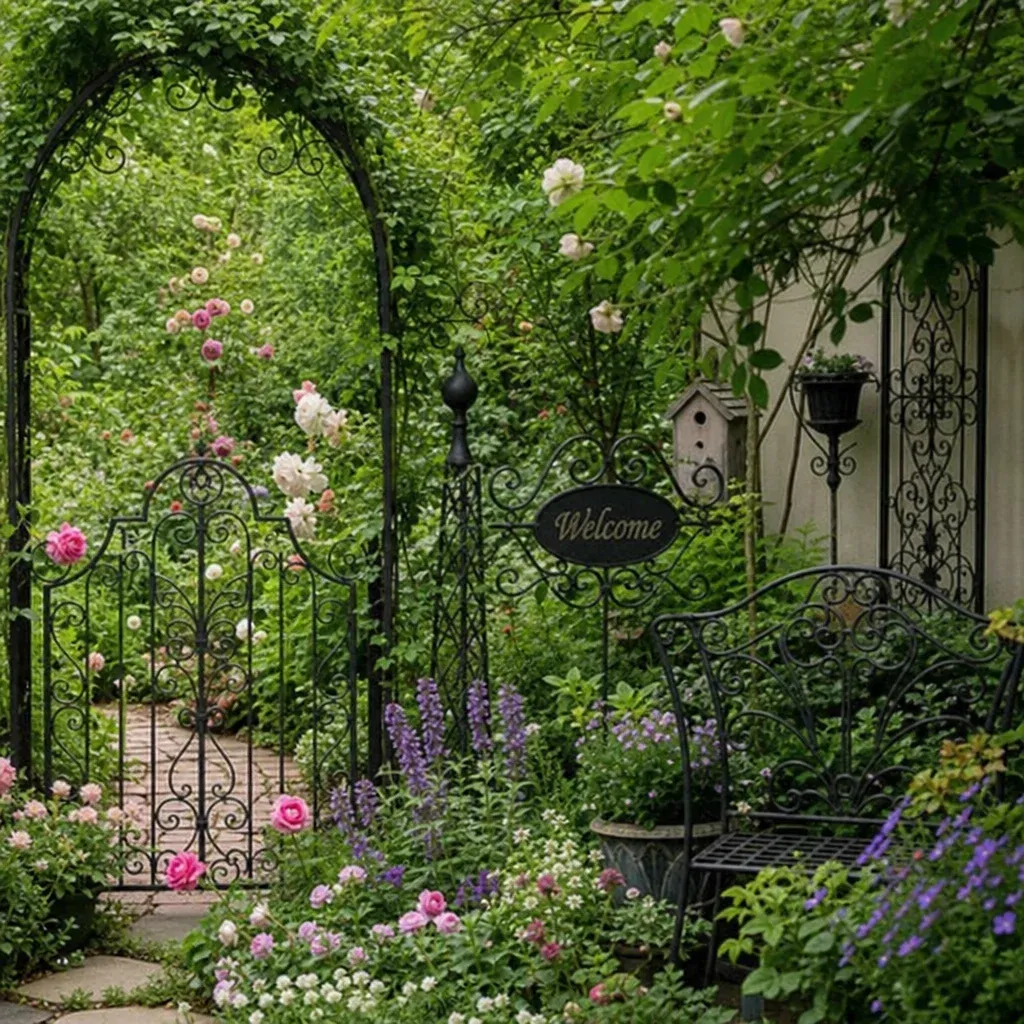
Understanding Your Metal Options: Finding the Perfect Fit
Before diving into design ideas, it is helpful to understand the materials that make up iron garden decor. Not all metals are created equal, and knowing the differences will help you make the best choice for your specific climate and aesthetic preferences.
Cast Iron vs Wrought Iron Garden Ornaments
When shopping for classic pieces, you will likely encounter a debate between cast iron vs wrought iron garden ornaments.
- Cast Iron: This material is created by pouring molten iron into a mold. It is exceptionally heavy and perfect for highly detailed, ornate pieces like Victorian urns, birdbaths, and heavy statues. However, it can be brittle if dropped.
- Wrought Iron: Forged by a blacksmith, wrought iron is heated and hammered into shape. It is incredibly strong, malleable, and ideal for linear designs like gates, fences, and intricate trellises.
Modern Alternatives
If you are looking for something slightly different, you might weigh the benefits of durable powder-coated steel versus traditional wrought iron. Traditional iron offers a historic, heavy-duty authenticity that naturally develops a beautiful patina over time. On the other hand, powder-coated steel is often lighter, more affordable, and comes with a baked-on finish that resists rusting straight out of the box.
Elevating Your Space with Vertical Iron Elements
One of the most effective ways to add drama to your landscaping is by drawing the eye upward. Vertical metal garden decor serves both a functional and aesthetic purpose.
Supporting Your Climbing Botanicals
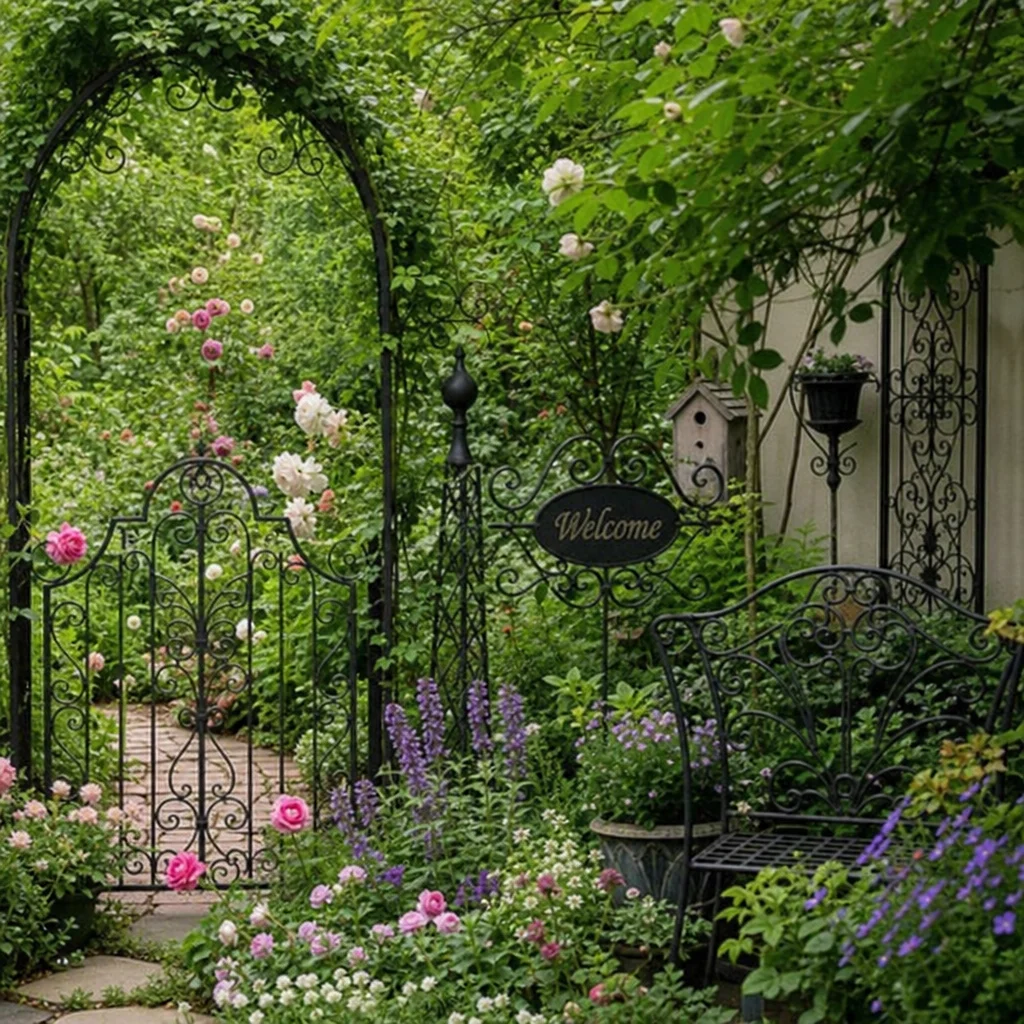
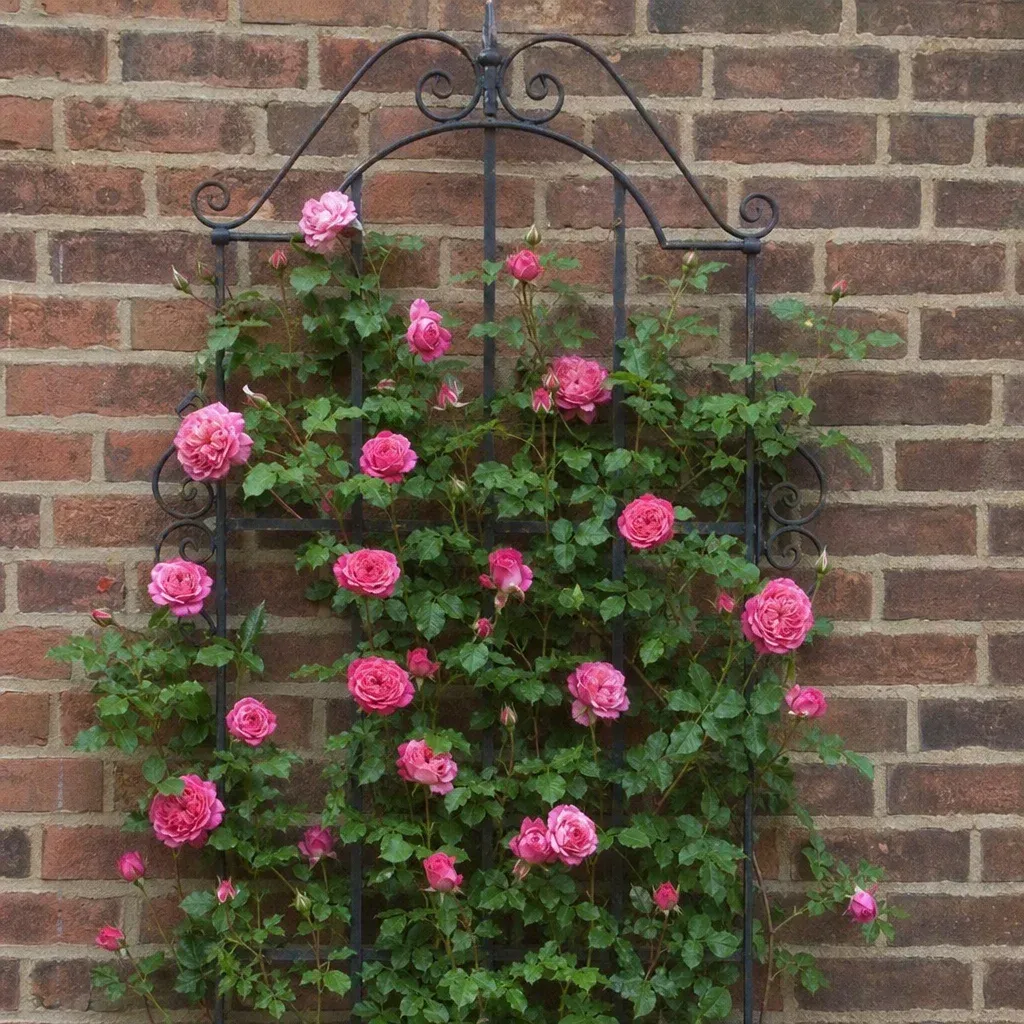
A flourishing garden often relies on vertical growth. Installing wrought iron garden trellises provides sturdy, long-lasting support for heavy vines. For dedicated horticulturists, investing in hand-forged iron for perennial climbing roses is a game-changer. Unlike flimsy wooden or plastic supports that rot or snap under the weight of mature rose canes, hand-forged iron stands strong year after year, offering a permanent architectural backbone for your blooms.
Climbing roses and flowering vines earn their keep twice over when they feed pollinators as well as furnishing the garden — Penn State Extension’s guidance on pollinator habitat and landscaping is a practical guide to what supports bees and butterflies. If you prefer a highly manicured look, consider using forged iron topiary frames for formal gardens. These sturdy wireframes guide the growth of boxwoods, ivy, or yews into elegant spheres, cones, or whimsical animal shapes, ensuring your garden maintains its structured appeal through every season.
Practical Tips for Tall Installations
Installing tall structural pieces can be tricky, especially after heavy rains. Securing tall iron plant supports in soft soil requires a strategic approach to prevent them from toppling over:
- Use Ground Anchors: Drive auger-style ground anchors deep into the firmer subsoil, then secure your trellis or obelisk to the anchors with heavy-duty zip ties or galvanized wire.
- Add a Gravel Base: Dig a small trench where the legs of the iron support will go, fill it with crushed gravel for drainage, and tamp it down firmly before inserting the metal legs. Garden decor stones covers which aggregates drain best.
- Cross-Bracing: If supporting a particularly heavy vine, use horizontal cross-bracing to attach the iron support to a nearby fence or structural wall.
Artistic Flourishes: Metal Accents and Wall Decor
Blank fences and empty exterior walls are blank canvases waiting for a touch of creativity. Adding garden wall art can instantly transform a dull boundary into a focal point.
While many associate metal with traditional or vintage styles, incorporating rustic metal wall art into modern landscapes is a massive trend in contemporary exterior design. The juxtaposition of rusted, organic metal against sleek concrete pavers, minimalist furniture, and architectural plants creates a striking, textural masterpiece.
For a touch of charm and whimsy, vintage-style black iron gate silhouettes—often shaped like cats, birds, or intricate tree branches—can be placed at the end of a garden path or mounted on a wooden privacy fence to create the illusion of a hidden gateway. Alongside smaller garden metal art pieces like wind spinners or ground stakes, these accents add personality and movement to your yard.
Combining Function and Style
Beyond aesthetics, rustic garden decor can solve practical landscaping challenges while enhancing the comfort of your outdoor living area.
Seating and Privacy
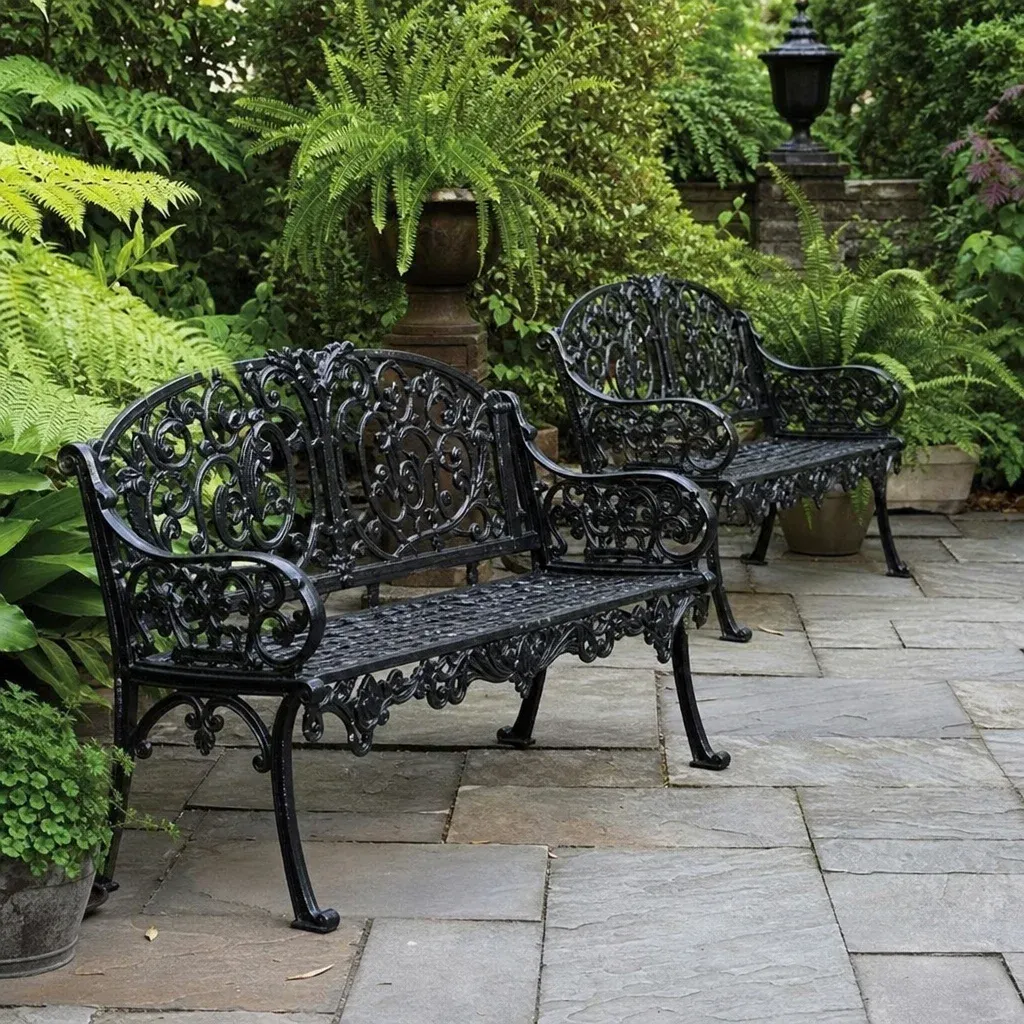
Nothing invites you to pause and enjoy nature quite like classic seating. Victorian wrought iron garden benches placed under a shade tree or beside a bubbling fountain create a romantic, timeless resting spot. Their open-weave designs prevent water from pooling, making them highly practical for rainy climates.
If you are dealing with close neighbors, ornamental iron privacy screens for small patios are an elegant solution. These laser-cut or forged panels allow sunlight and a gentle breeze to filter through while obscuring the view from the outside. They also double as a stunning backdrop for outdoor dining areas.
Showcasing Potted Plants
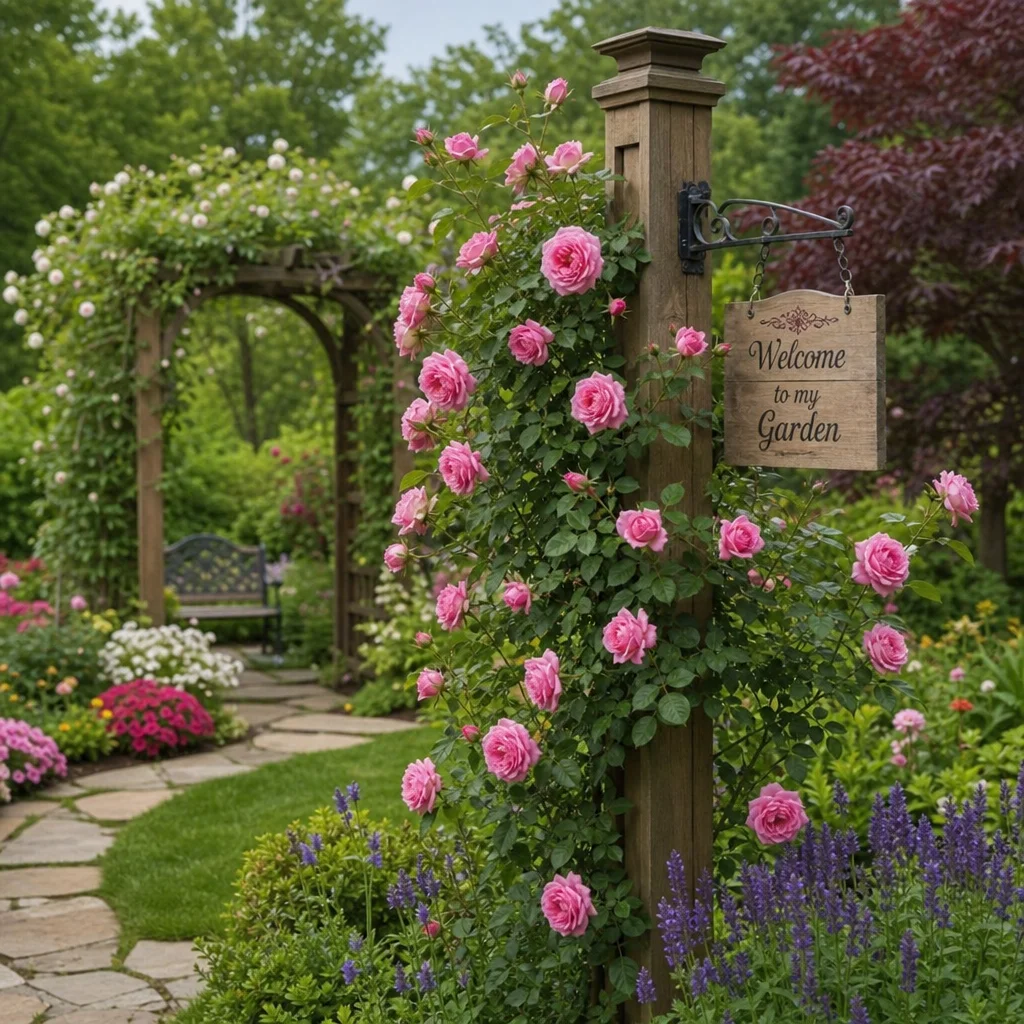
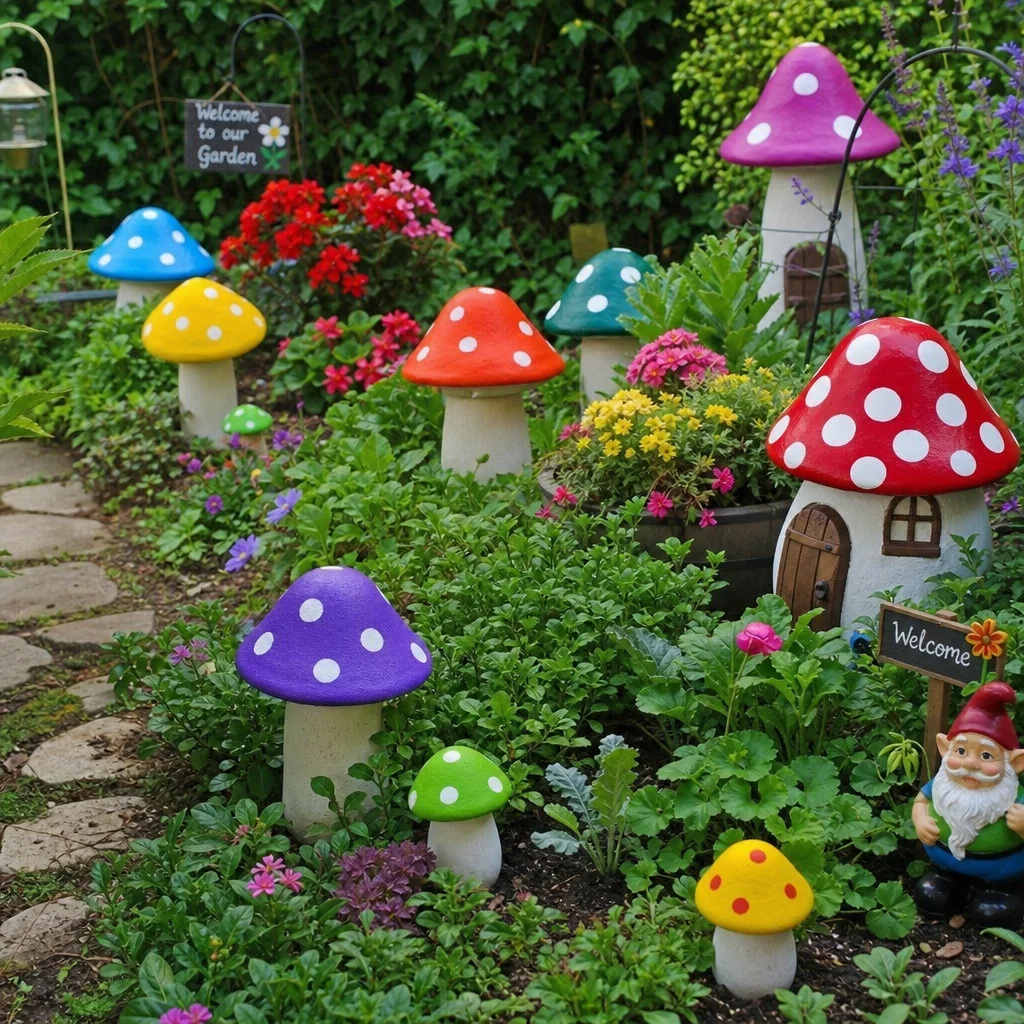
Don’t forget about your container gardens! Grouping terra-cotta or ceramic pots on varying levels of iron plant stands creates a dynamic, multi-tiered display. This not only highlights your favorite trailing plants and vibrant annuals but also improves air circulation and drainage around the pots, keeping your plants healthier. For the structural side of a vertical display, look at decorative garden posts, and for a more playful accent, mushroom garden decor.
Heavy-Duty Structural Landscaping
For regions that experience severe weather, lightweight decor simply won’t survive. Utilizing heavy-duty iron for wind-resistant landscaping is a smart investment. Thick, solid iron arbors, heavy planters, and thick-gauge metal statues will stay firmly rooted during heavy gusts, sparing you the headache of replacing blown-away decor after every storm.
When installing massive structural pieces, precision is vital. Anchoring heavy iron gazebos on uneven terrain, for example, requires more than just setting the structure on the grass.
- Level the Footings: Dig individual holes for each leg of the gazebo.
- Pour Concrete Piers: Use sonotubes (cardboard concrete forms) and pour concrete to create level, solid footings.
- Use Heavy-Duty Brackets: Secure the iron base plates to the concrete piers using heavy masonry anchors. This ensures the structure is perfectly level and entirely immune to shifting soil and high winds.
Care and Maintenance: Preserving Your Iron Decor
While iron is famously durable, it is susceptible to the elements—namely, moisture and oxygen, which lead to rust. Proper maintenance ensures your metal garden decor lasts for generations.
A Proactive Approach to Rust
Knowing how to prevent rust on outdoor metal furniture and decor will save you hours of restoration work down the line. The secret is creating a barrier between the metal and the moisture in the air.
- Clear Protective Coats: For pieces where you want to preserve a naturally rusted patina without letting the metal degrade further, apply a matte clear-coat enamel.
- Automotive Wax: Applying a thin layer of paste wax to smooth iron surfaces repels water brilliantly.
- Touch-Up Paint: Keep a can of rust-inhibiting spray paint handy. The moment you see a chip in the paint, sand it lightly and touch it up before rust can take hold.
Bringing Old Iron Back to Life
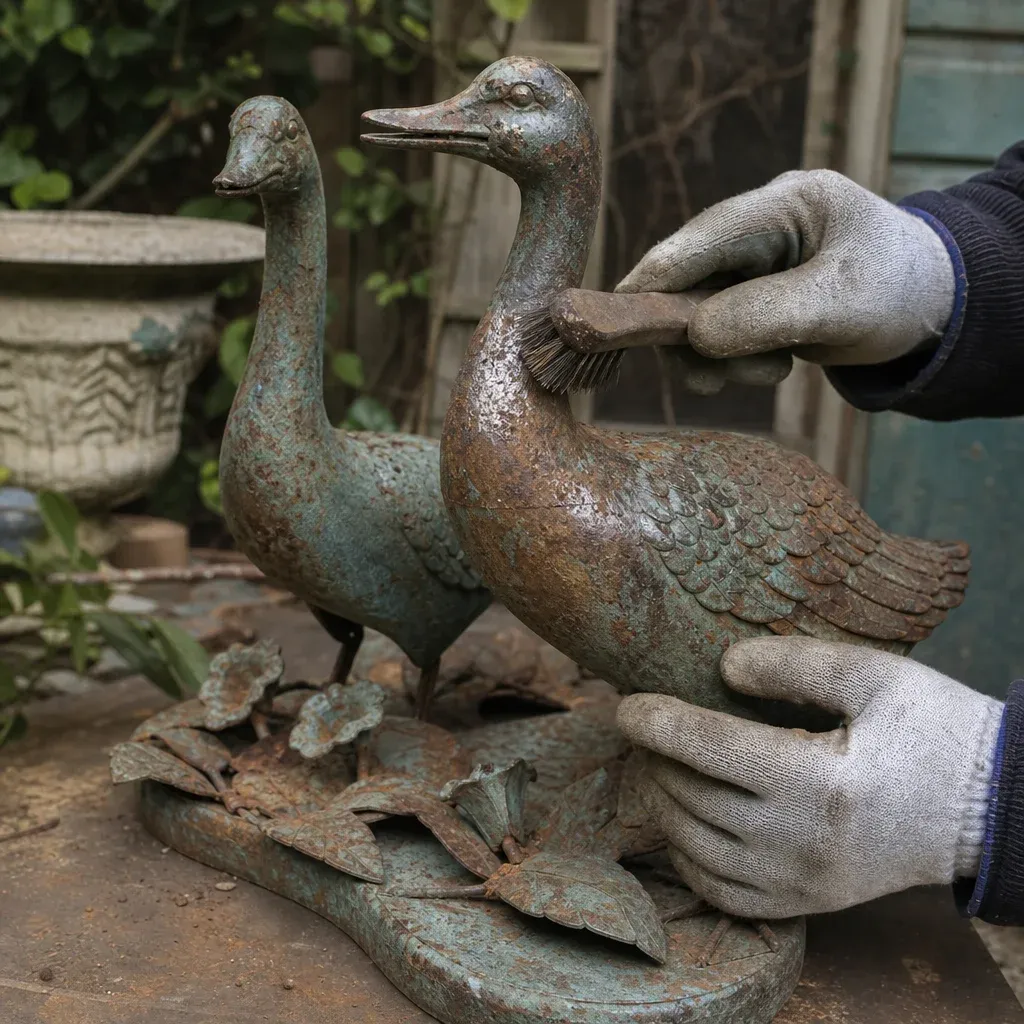
If you’ve scored a beautiful vintage piece at a flea market, restoring antique metal garden sculptures is a rewarding weekend project. Start by using a stiff wire brush or a drill with a wire wheel attachment to remove loose, flaking rust. Next, apply a chemical rust converter; this turns the remaining iron oxide into a stable, paintable surface. Finally, apply a high-quality, oil-based metal primer followed by two coats of exterior-grade enamel paint.
Year-Round Maintenance Routine
To keep your landscape looking pristine year after year, follow this seasonal care guide for decorative metal yard art:
- Spring: Inspect all metal pieces as the snow melts. Look for winter damage or chipped paint. Wash decor with a mild mixture of dish soap and warm water to remove dirt and pollen.
- Summer: Check plant stands and trellises. Ensure that aggressive climbing vines aren’t trapping excess moisture against the metal, which can accelerate rusting.
- Autumn: Before the heavy rains or snows begin, apply a fresh coat of protective wax to benches, statues, and gates. Clean out any intricate crevices where wet leaves might get stuck.
- Winter: Whenever possible, move smaller pieces—like delicate garden wall art or lightweight plant stands—into a garage or shed. For heavy items that must stay outside, consider covering them with a breathable waterproof tarp to shield them from ice.
Conclusion
Incorporating garden iron decor into your landscape is a surefire way to bring elegance, structure, and enduring charm to your outdoor spaces. From the structural reliability of heavy-duty gazebos to the delicate whimsy of vintage silhouettes, iron offers a design solution for every type of garden.
By understanding your materials, placing pieces thoughtfully, and dedicating a little time to seasonal maintenance, your metal garden decorations will gracefully weather the seasons. Embrace the artistry of iron, and watch as your garden transforms into a beautifully structured, inviting sanctuary that you can enjoy for years to come.