There is something undeniably magical about stepping into a backyard that feels like a hidden woodland retreat. Whether you have a sprawling grassy lawn, a cozy urban balcony, or a dedicated flowerbed, adding a touch of fantasy can completely transform your outdoor living space. Enter mushroom garden decor—a versatile, charming, and increasingly popular design trend that bridges the gap between nature and imagination.
By integrating fungi-inspired elements into your landscaping, you can cultivate an environment that feels both grounded and enchanting. From subtle, natural-looking accents hidden beneath ferns to vibrant, eye-catching centerpieces, mushroom garden decor offers endless possibilities.
In this guide, we will explore creative, actionable ways to incorporate these delightful pieces into your landscape, offering expert styling tips and practical advice along the way.
Finding the Perfect Aesthetic: Styles and Materials
The first step in transforming your yard is deciding on an overarching aesthetic. Fungi decor comes in a staggering array of styles, shapes, and materials, ensuring there is a perfect match for every gardener’s vision.
Realism vs. Fantasy
When browsing for the perfect pieces, you will likely find yourself weighing the appeal of realistic fungi replicas vs abstract lawn art.
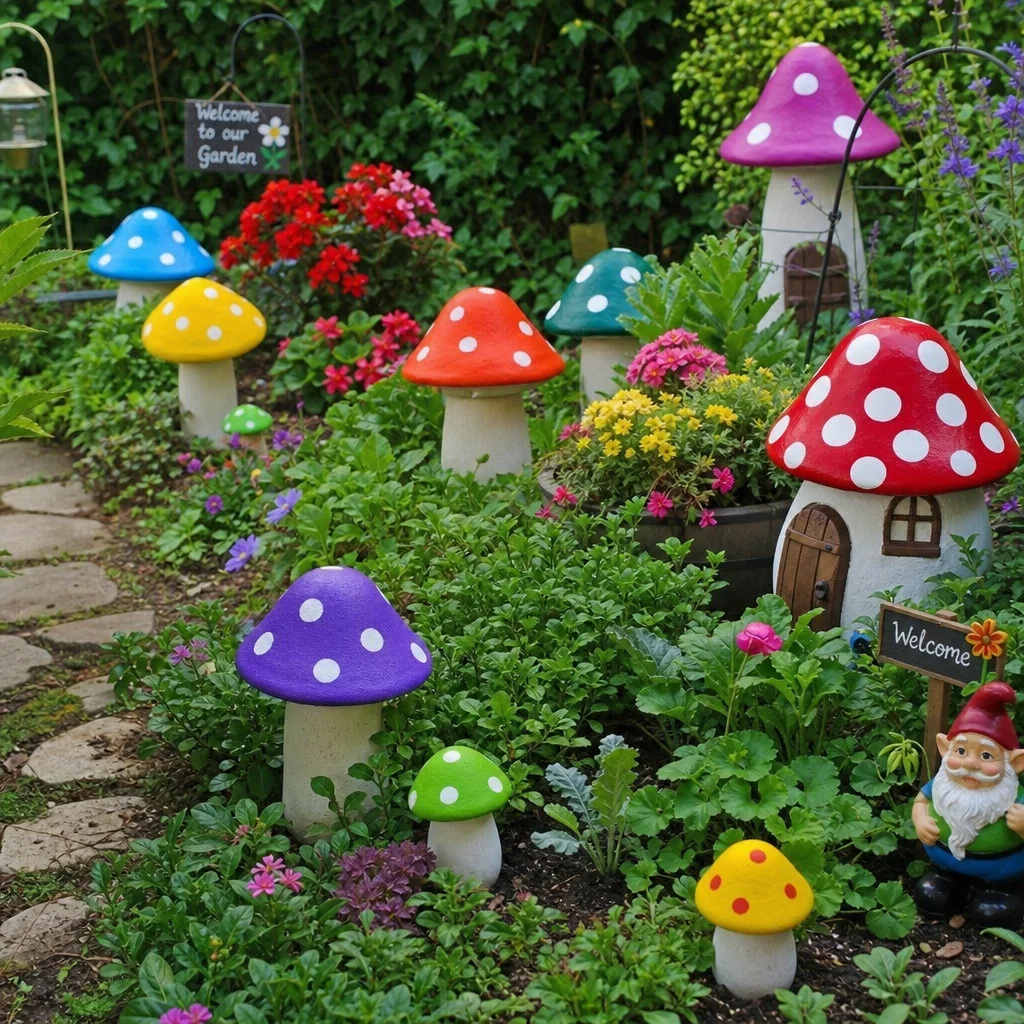
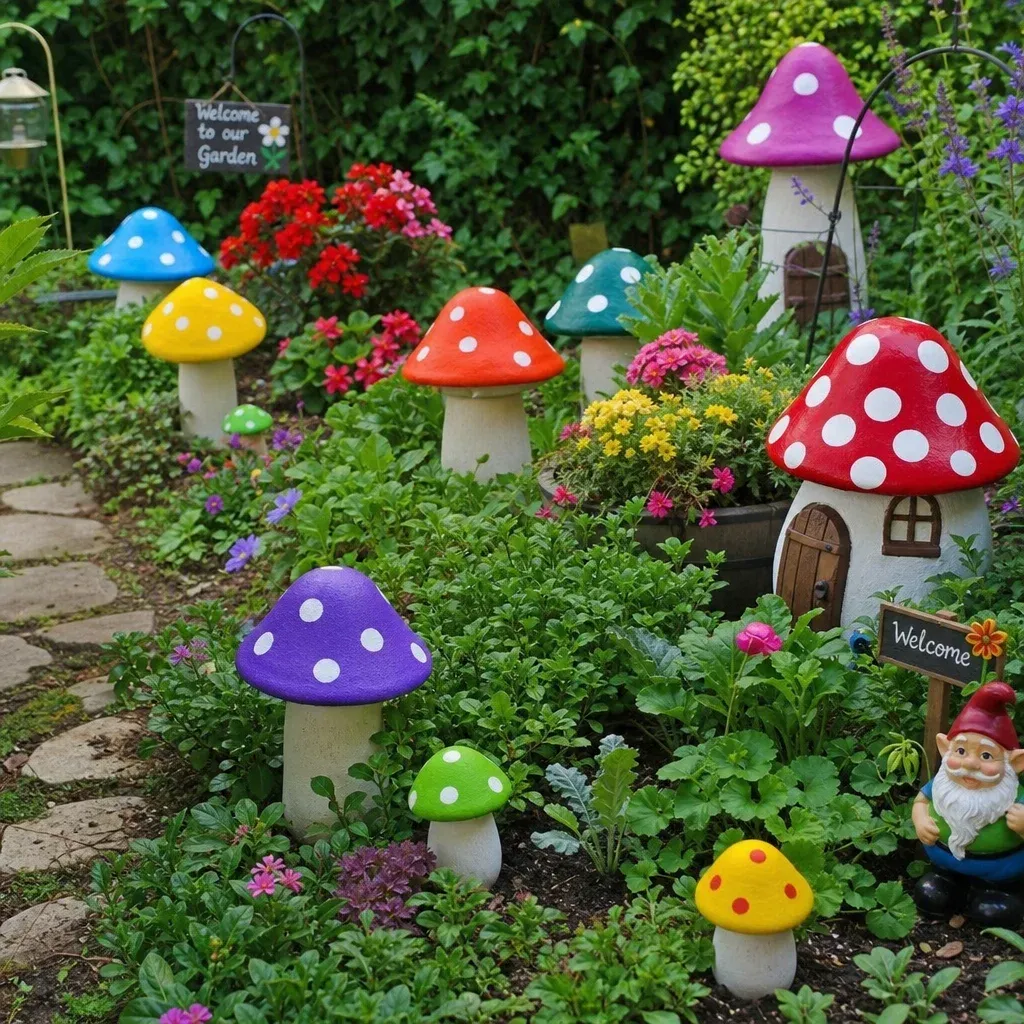
If you are a purist who loves native plants and organic landscaping, realistic replicas modeled after actual species—like the classic red-and-white Amanita muscaria or the earthy Morel—blend seamlessly into mulch beds and mossy logs. On the other hand, if you want your yard to pop with personality, abstract lawn art featuring polka dots, pastel colors, and exaggerated shapes is the way to go.
For trend-conscious gardeners, whimsical cottagecore lawn accents are a must-have. Think soft, muted tones, distressed finishes, and cozy, nostalgic vibes. Alternatively, if you want to make a bold, theatrical statement, alice in wonderland lawn decorations featuring vivid, oversized, and surreal mushroom shapes will give your space an undeniably vibrant, storybook feel.
Choosing the Right Material
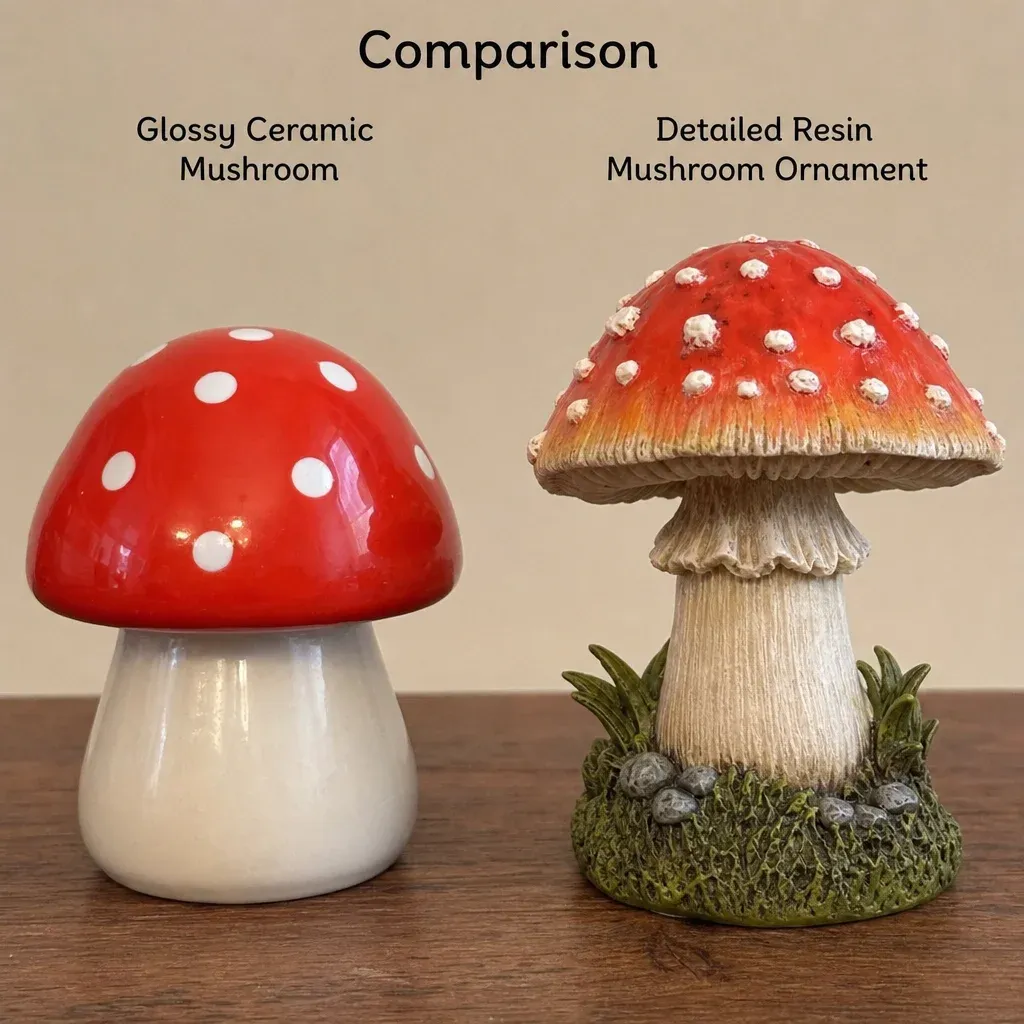
Outdoor decor must withstand the elements, so understanding the difference between ceramic vs resin garden ornaments is crucial.
- Resin: Resin is lightweight, highly detailed, and generally affordable. It resists cracking from minor impacts and holds intricate paint jobs beautifully.
- Ceramic: Ceramic has a beautiful, classic glaze and a heavier weight, making it less likely to tip over in strong winds. If you live in an area with freezing winters, investing in durable frost-resistant ceramic toadstools ensures your decor won’t shatter when temperatures drop.
- Wood: For those seeking a rustic, earthy vibe, vintage style wooden fungus carvings provide beautiful texture. These pieces age gracefully, developing a natural patina that harmonizes with your garden’s organic growth.
Crafting Magical Miniature Worlds
Miniature gardening is an incredibly rewarding hobby that allows you to flex your creative muscles in a concentrated space. Terrariums, container gardens, and tree-base displays are perfect canvases for fairy garden mushrooms.
When building a miniature landscape, scale and placement are everything. A common question among beginners is how to arrange fairy garden ornaments without making the space look cluttered. Here are a few actionable tips:
- Establish a Focal Point: Start with your largest piece, such as a tiny rustic cottage.
- Create Pathways: Use pebbles to create a winding path leading to the cottage.
- Cluster Naturally: In nature, mushrooms rarely grow in perfectly straight lines. Group your gnome and fairy house accessories in odd numbers (clusters of three or five) near the base of tiny plants or along the pebble pathways.
- Mix Heights: Use flat cap mushrooms near the front and taller, slender toadstools toward the back to create depth.
By thoughtfully pairing your miniatures with low-growing ground covers like creeping thyme or Irish moss, you bring the tiny ecosystem to life. Creeping thyme has the added benefit of flowering for bees — Penn State Extension’s pollinator planting guide covers low-growing plants that do double duty. Garden decor stones covers the pebbles for those miniature pathways.
Illuminating the Night Landscape
Your garden shouldn’t disappear when the sun goes down. Incorporating lighting into your mushroom garden decor extends the usability of your outdoor space and creates a breathtaking evening atmosphere.
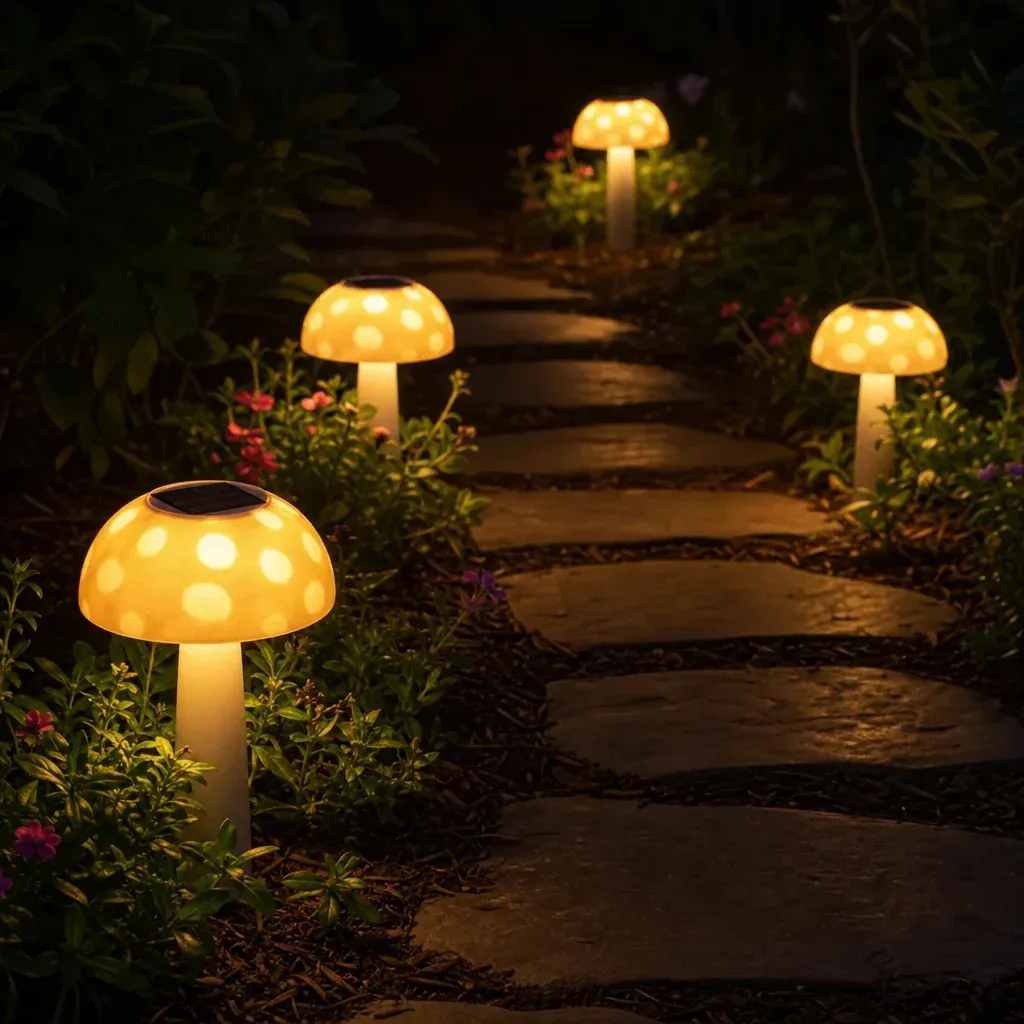
If you aren’t sure where to place solar fungi lights, the key is to mimic nature while maximizing sun exposure. Place them along the edges of winding garden paths to safely guide guests, or tuck them under the broad leaves of hostas and ferns. During the day, they look like standard decorative pieces, but at night, they cast a soft, ethereal glow through the foliage.
For a truly magical, modern twist, consider bioluminescent garden path markers. These are typically painted with high-quality glow-in-the-dark paints or constructed with special luminescent glass that absorbs UV light during the day and emits a steady, enchanting blue or green glow at night. They require zero electricity and add a fascinating, otherworldly touch to dark garden corners. For broader outdoor lighting schemes, garden decoration ideas compare solar and wired setups, while fairy lights cover string lighting indoors and out.
Making a Bold Statement with Large Pieces
While miniature fairy gardens are charming, sometimes a space calls for a grand gesture. If you have a large yard, expansive flower beds, or a deeply wooded lot, small pieces might get lost in the greenery. This is where large-scale garden mushroom decor shines.
If you are dedicated to creating a woodland themed backyard, oversized concrete toadstool statues are a brilliant investment. Because of their weight and durability, these statues can serve as permanent fixtures in your landscape.
Ways to use oversized mushrooms:
- Functional Seating: Flat-topped concrete or heavy resin mushrooms make excellent whimsical seating for children around a fire pit or a low garden table.
- Statement Centerpieces: Place a massive, brightly colored mushroom in the center of a circular flower bed surrounded by dense green ferns to create high contrast.
- Tree Stump Camouflage: If you have an unsightly tree stump in your yard that is too expensive to remove, arrange a cluster of large toadstools around it to make it look like an intentional, natural forest feature.
Hands-On Personalization: Crafting Your Own Fungi
If you love a weekend craft project, integrating DIY elements into your landscape is a deeply satisfying way to personalize your space. Making your own garden decorations mushrooms allows you to control the exact size, color palette, and style of your yard.
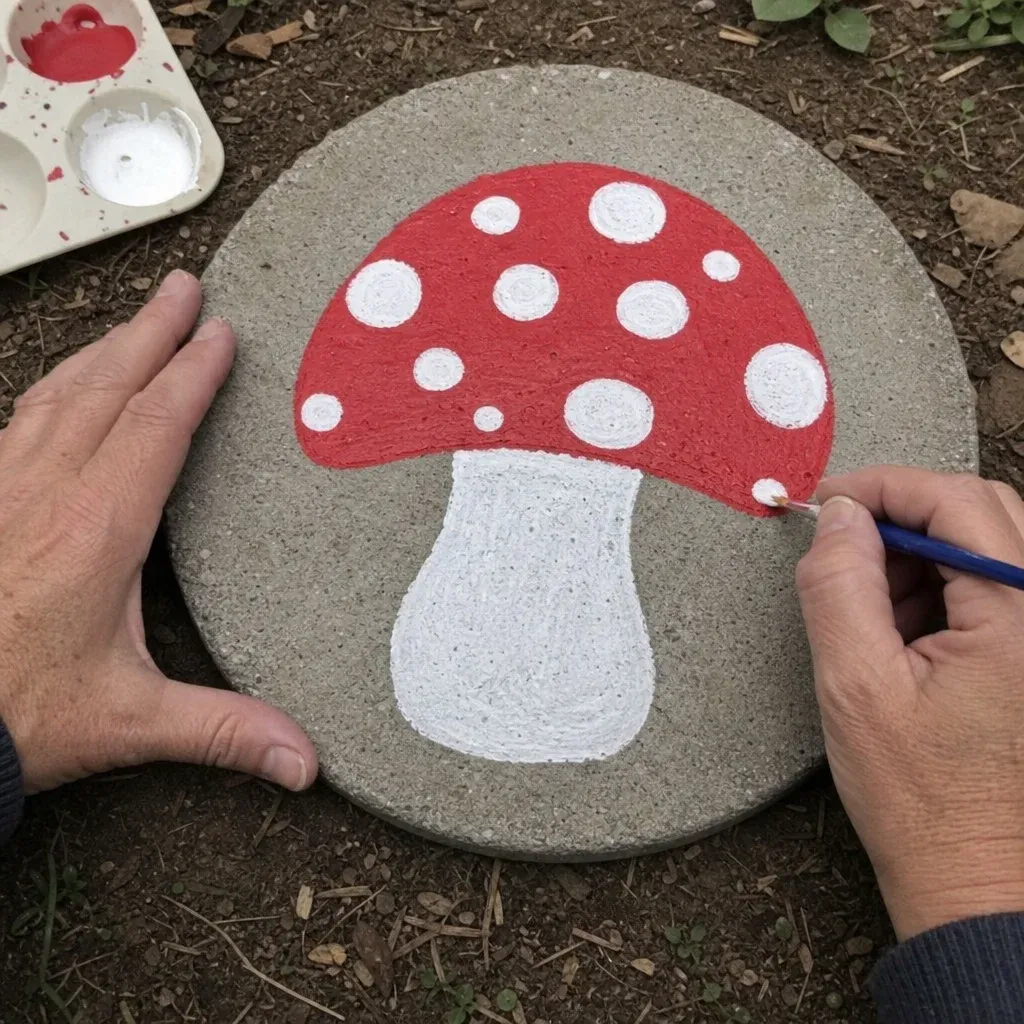
A highly popular and practical project is creating DIY hand-painted mushroom stepping stones.
How to make them:
- Pour the Concrete: Purchase a simple round stepping stone mold and quick-setting concrete. Pour the concrete and let it cure completely.
- Sketch the Design: Once dry, use a pencil to sketch a large, sweeping mushroom cap covering the surface.
- Paint: Use high-quality exterior acrylic or masonry paints. Red caps with white polka dots are a classic, but don’t be afraid to try emerald greens, deep purples, or even metallic gold.
- Seal: Finish with a heavy-duty outdoor clear coat to protect your artwork from foot traffic.
You can also hunt for garden decorative mushrooms at local thrift stores or estate sales. Often, you can find faded or chipped ornaments and upcycle them with a fresh coat of bright, weather-resistant paint, giving them a second life in your garden.
Maintenance Tips for Longevity
To keep your magical oasis looking vibrant year after year, proper care is essential. Outdoor environments can be harsh, and the sun, rain, and snow can quickly degrade your outdoor mushroom decor if it is not properly maintained.
Protecting Against the Sun A major concern for gardeners is preventing fading on outdoor painted mushrooms. Ultraviolet rays can bleach bright reds and vibrant yellows in a matter of months. Before placing new painted mushroom ornaments in your garden, spray them with a clear, UV-resistant polyurethane sealant. Reapply this spray once a year at the beginning of spring to lock in the color.
Water and Weather Protection When it comes to weatherproofing resin garden sculptures, moisture is the enemy. While resin is waterproof, water can occasionally pool in small crevices. If this water freezes during the winter, it expands and can crack the sculpture. Ensure your pieces are placed on well-draining soil or gravel rather than sitting in puddles.
For extreme winter climates, it is best practice to bring hollow resin or delicate ceramic pieces indoors or store them in a shed during the coldest months. Solid concrete and treated wooden pieces can typically remain outside year-round, adding lovely structural interest to a snow-covered yard.
Conclusion
Whether you want to construct an intricate fairy village, light up a dark pathway, or establish a whimsical seating area, mushroom garden decor offers endless opportunities to express your creativity. By carefully selecting your materials, playing with scale, and properly maintaining your pieces, you can curate an enchanting outdoor space that delights visitors and serves as your own personal fairytale escape. Start small, let your imagination run wild, and watch your backyard come to life.