Whether you are overhauling a sprawling backyard or simply adding a touch of elegance to a compact urban patio, integrating natural elements is a surefire way to elevate your landscape. Among the most versatile, durable, and aesthetically pleasing materials available to modern homeowners are garden decor stones. Unlike plants that require constant pruning or organic mulch that decomposes and fades, stone offers a permanent sense of structure and timeless beauty.
Using garden decor stones allows you to introduce striking textures, diverse colors, and architectural weight into your yard with minimal ongoing maintenance. From functional walkways to peaceful meditative spaces, the possibilities are practically endless. Let’s explore some of the most creative and practical ways to incorporate outdoor stone decor into your landscaping projects.
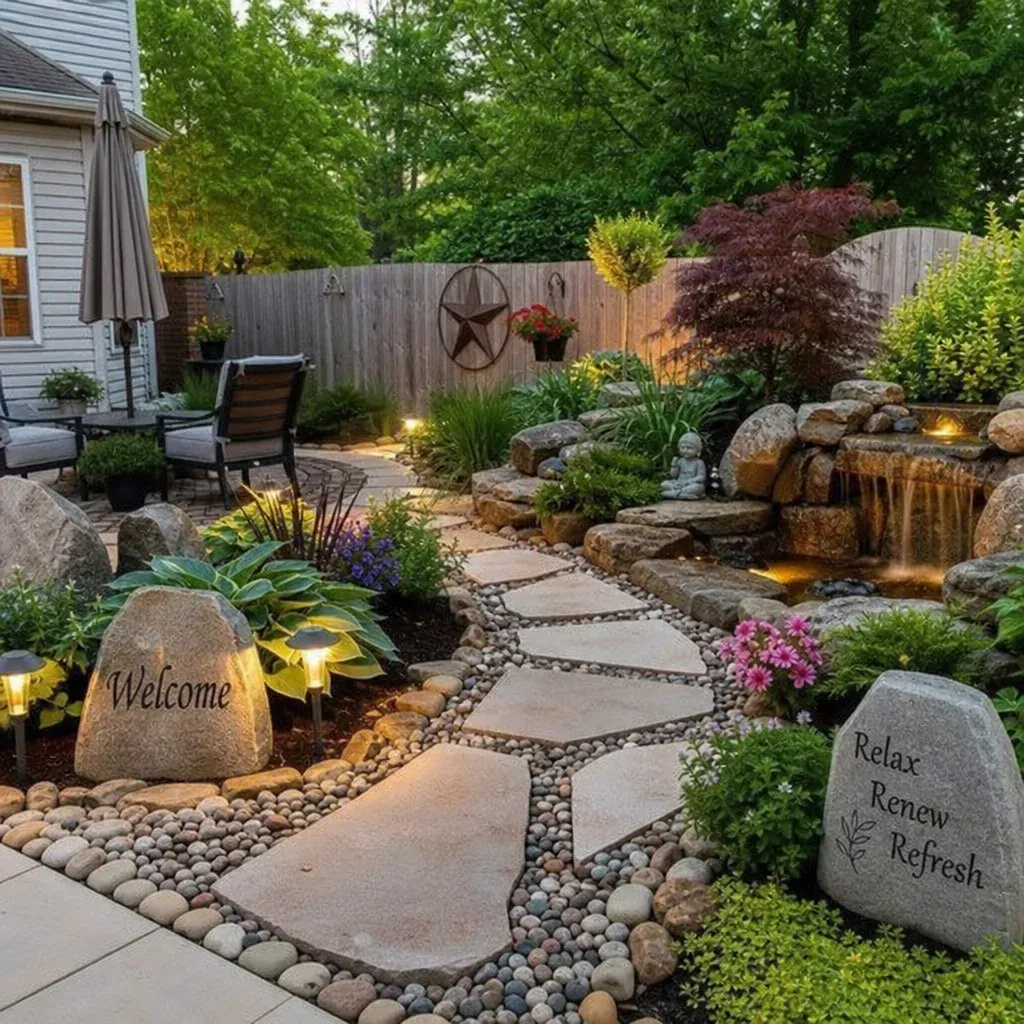
Pathways and Walkways: Leading the Way with Stone
One of the most practical and visually appealing ways to use garden decorative stones is by creating custom pathways. A well-designed path not only guides visitors through your yard but also protects your lawn from heavy foot traffic.
Designing the Perfect Gravel Path
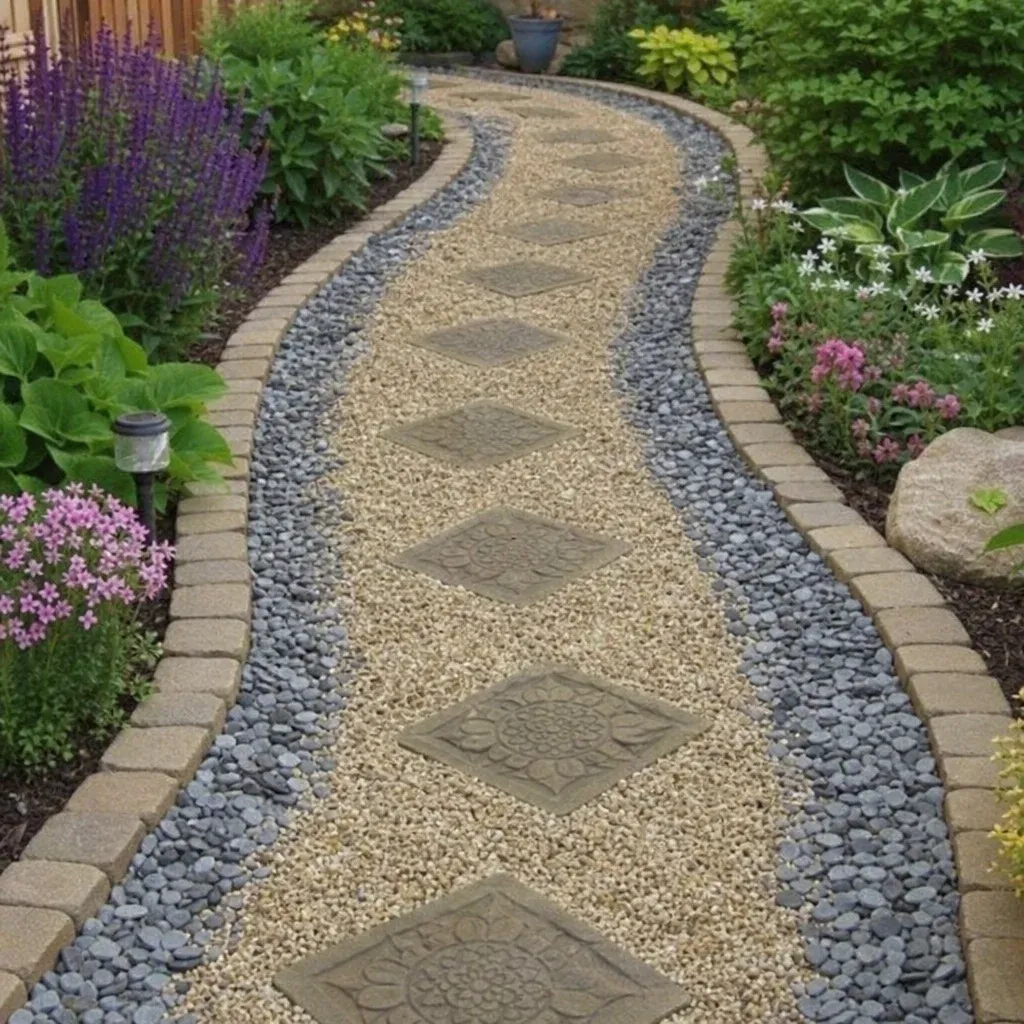
When building a gravel walkway, preparation is everything. A properly constructed path requires digging a shallow trench, laying down high-quality commercial weed fabric, adding a base layer of crushed stone, and finally topping it with your decorative rock of choice. This multi-layered approach ensures longevity and prevents your stones from sinking into the mud after heavy rain.
If you are aiming for a sleek, contemporary aesthetic, natural slate path chippings are an exceptional choice. Their flat, angular shape allows them to pack down nicely, providing a stable walking surface while offering a striking, dark contrast to bright green lawns.
Choosing Your Materials
A frequent discussion in landscape design circles is the choice of pea gravel vs mexican beach pebbles.
- Pea Gravel: These small, rounded stones are incredibly cost-effective, come in a variety of warm, earthy tones, and provide a satisfying “crunch” underfoot. However, because they are round, they tend to shift and require solid edging to stay in place.
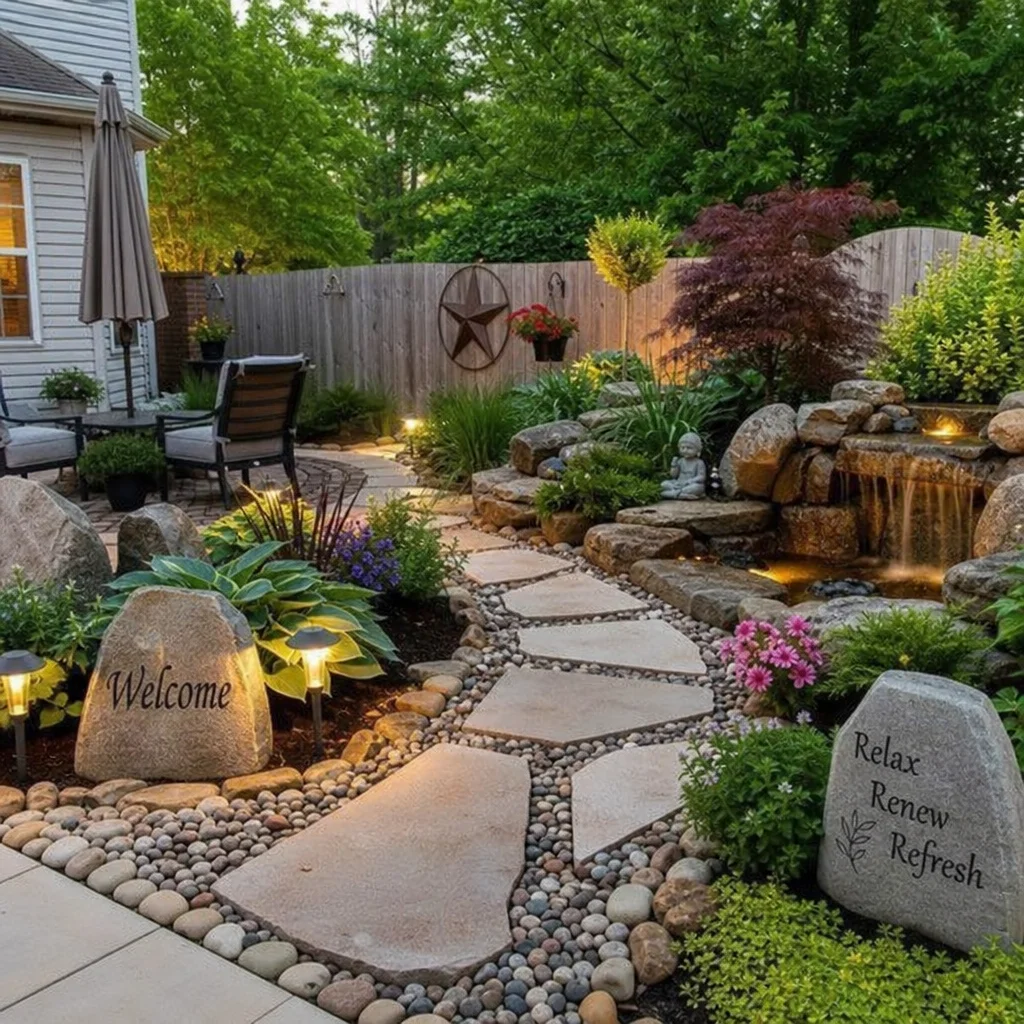
- Mexican Beach Pebbles: These stones are smooth, uniform, and typically come in sophisticated shades of dark grey and black. While they are significantly more expensive than pea gravel, they offer a high-end, bespoke look that is perfect for bordering paths or filling the gaps around larger pavers.
Adding Character with Stepping Stones
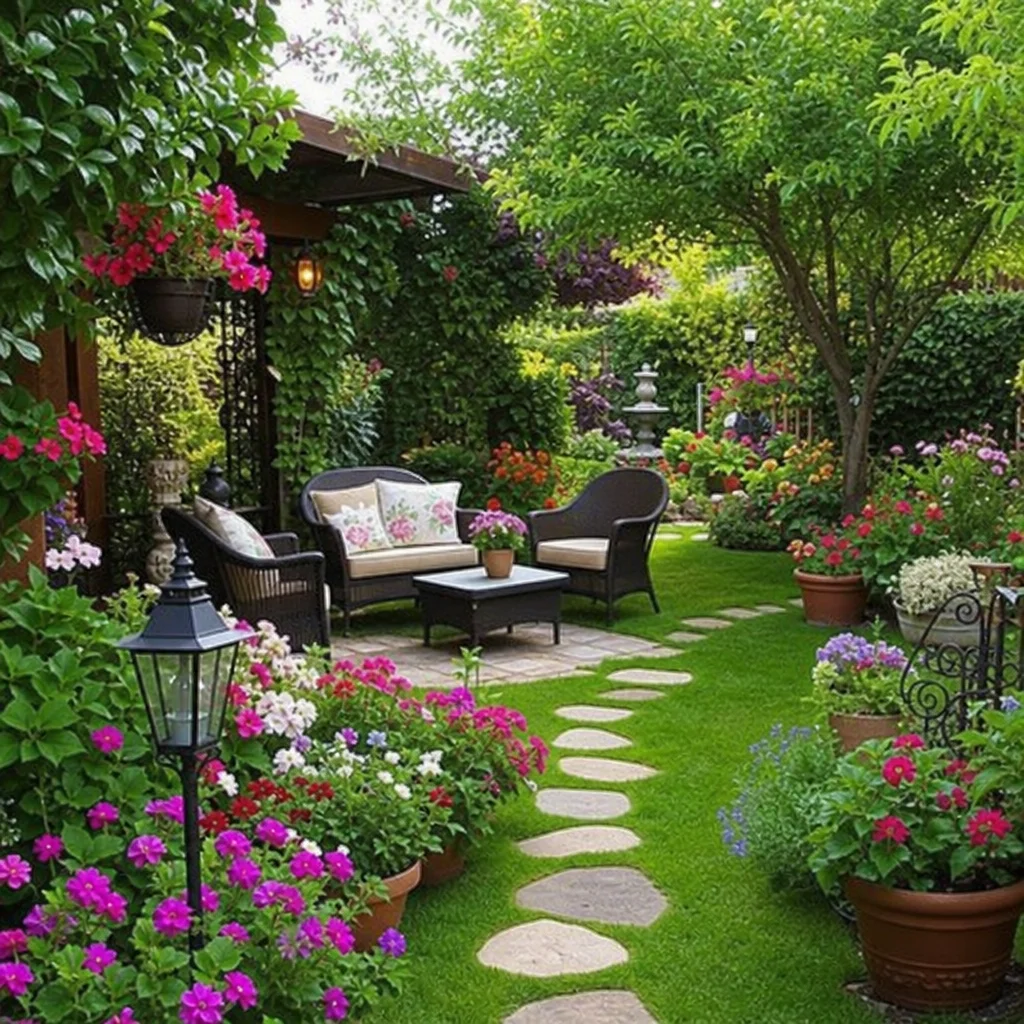
For areas where you want a whimsical, organic feel, consider using decorative garden stepping stones. You can nestle large, flat flagstones directly into your lawn or surround them with smaller gravel. To ensure a comfortable walking experience, place the stones so that their centers are roughly 24 inches apart, mimicking a natural human stride.
Elevating Plant Beds and Borders
Swapping out traditional wood mulch for garden stone decor is a growing trend, and for good reason. Stone does not blow away in the wind, it doesn’t attract termites, and it never needs to be topped up at the beginning of spring.
Mulch Replacements and Weed Control
If you are tired of replacing organic mulch year after year, it is time to look into inorganic ground cover alternatives. Using decorative garden stones as ground cover provides a clean, modern aesthetic that stays looking pristine in all seasons.
When aiming for effective weed suppression with landscape rock, it is vital to clear the area completely of existing weeds and install a heavy-duty, permeable landscape fabric before laying down your stones. A layer of stone roughly two to three inches deep is usually sufficient to block sunlight from weed seeds while still allowing water to reach the roots of your desirable plants.
Enhancing Soil Health and Aesthetics
Stone is worth using deliberately rather than everywhere: unlike bark mulch it adds no organic matter as it weathers, and pale aggregates radiate heat that some beds will not appreciate. Reserve it for paths, borders, and drainage, and keep organic mulch around plants that want cool, rich soil — Penn State Extension’s planting guidance is a useful reference when choosing what goes where. That said, there are unique volcanic lava rock benefits to consider. Lava rock is incredibly lightweight, naturally porous, and excellent at retaining soil moisture. Furthermore, its striking red or stark black hues can make the vibrant greens of your shrubbery pop spectacularly.
Defining Your Garden Edges
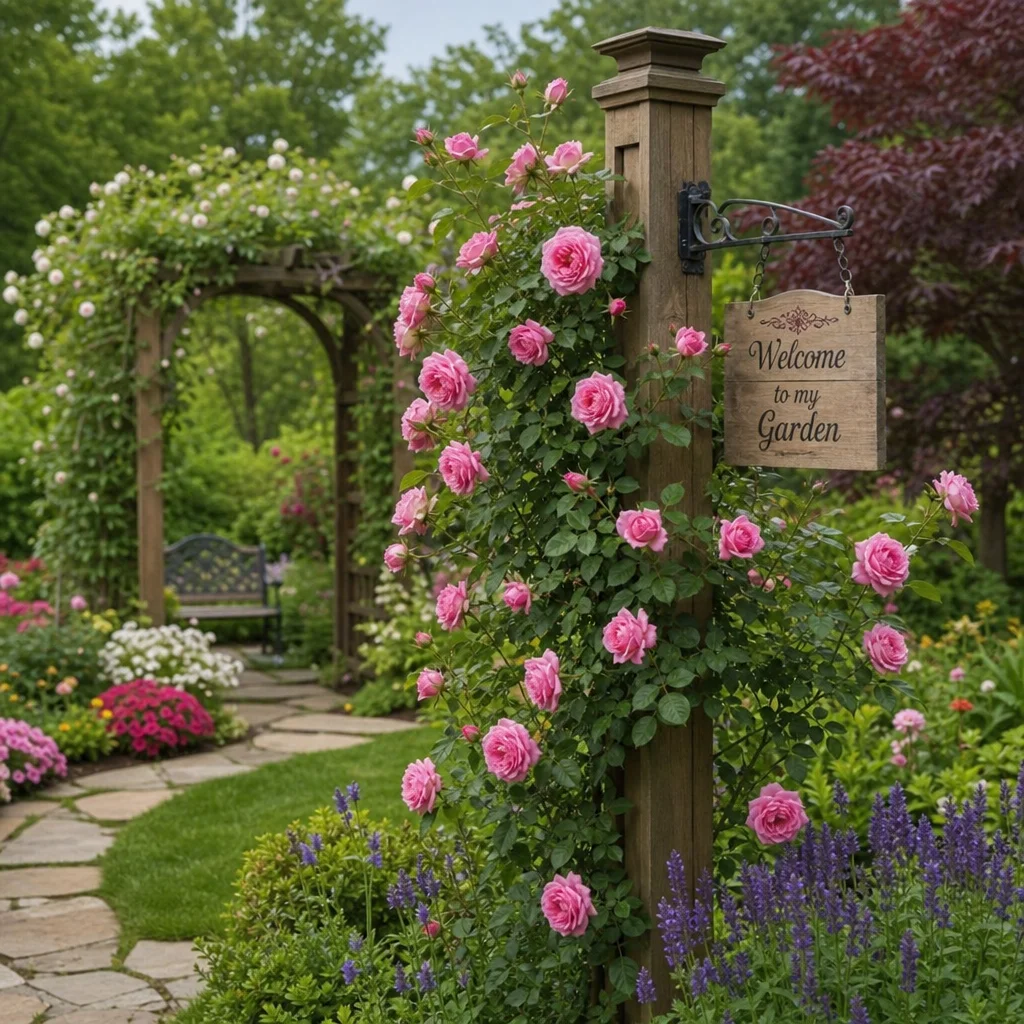
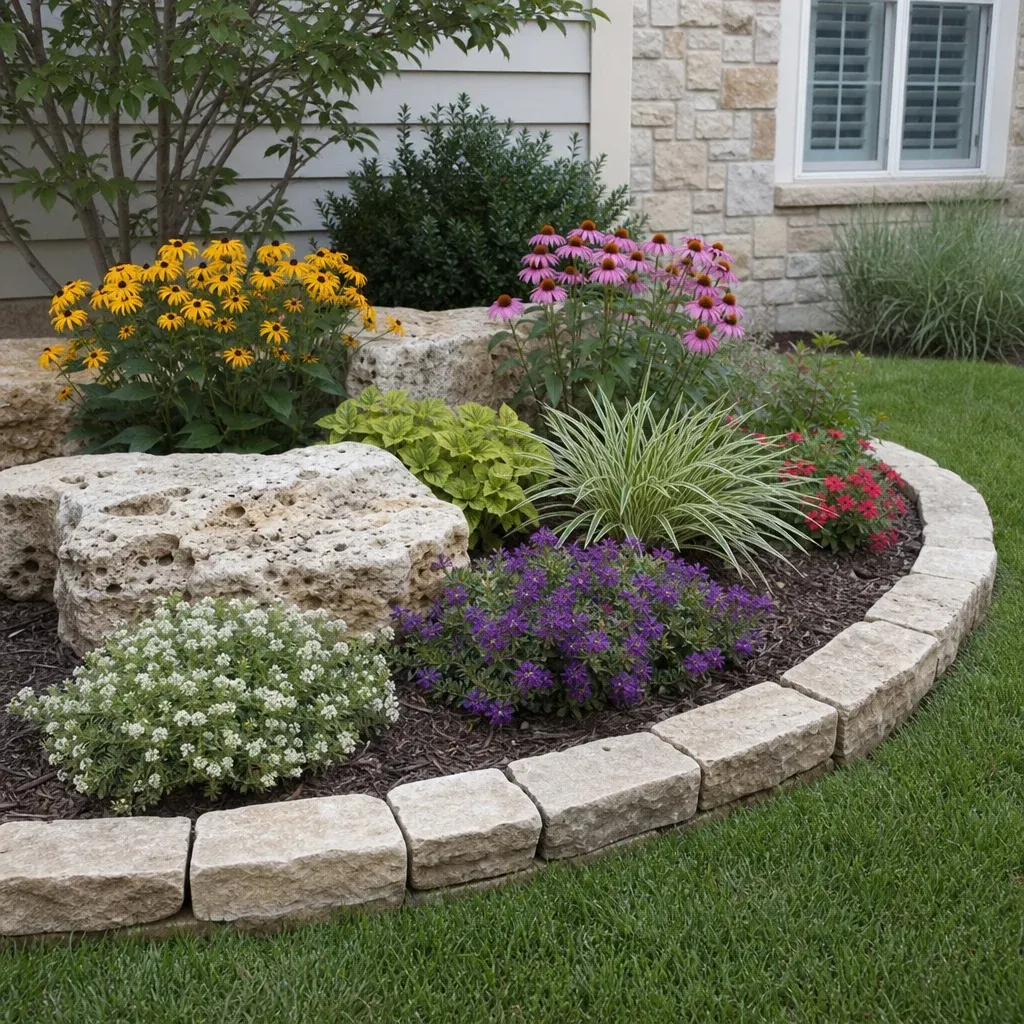
To keep your newly laid ground cover contained, installing stone edging for flower beds is a highly recommended step. Edging creates a clean, visual boundary between your lawn and your plant beds. You can achieve this by trenching a shallow line and stacking cobblestones, or by utilizing weathered limestone accents. The textured, slightly porous surface of weathered limestone introduces a rustic, old-world charm that contrasts beautifully with both soft flowers and sleek modern architecture. Decorative garden posts and garden iron decor are the vertical elements that pair well with stone at ground level.
The Art of Focus: Boulders and Zen Gardens
Beyond serving as mere ground cover, garden decor stones can act as the undeniable focal points of your entire outdoor space. With a few well-placed oversized rocks, you can anchor your yard and provide year-round visual interest.
Making a Statement with Boulders
If you want to create a space that feels organically established, utilizing proper landscape boulder placement techniques is crucial. The biggest mistake homeowners make is resting boulders completely on top of the soil, making them look as if they were randomly dropped from the sky.
Instead, bury the bottom third of the boulder into the ground. This mimics how rocks appear in nature—partially submerged and anchored to the earth. Group boulders in odd numbers (threes or fives) and use rocks of varying sizes to create a natural-looking outcropping. This approach is highly effective for creating visual contrast with hardscape elements like smooth concrete patios or structured wooden decks. The juxtaposition of a rugged, natural boulder against sharp, man-made lines is a cornerstone of modern exterior design.
Crafting a Meditative Retreat
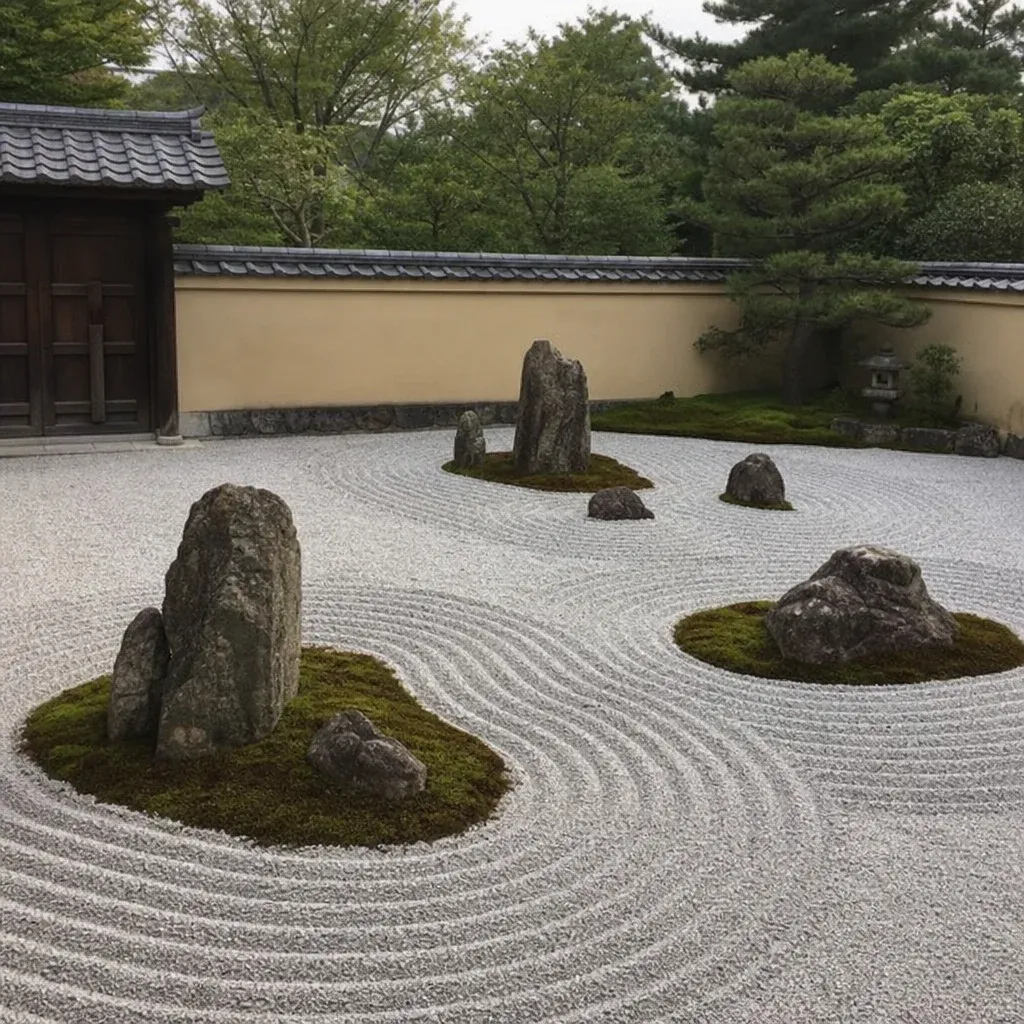
If you prefer a minimalist, tranquil environment, you can use these materials to build a traditional Japanese-inspired rock garden. The core zen rock garden layout principles revolve around asymmetry, simplicity, and the clever use of negative space.
In these gardens, large, carefully chosen boulders represent islands or mountains, while fine gravel or sand is raked in undulating patterns to represent flowing water. Relying on an assortment of garden stone ideas—like placing a single, striking rock amidst a sea of perfectly raked white gravel—can transform a previously unused corner of your yard into a peaceful sanctuary for mindfulness and relaxation.
Practical Solutions: Drainage and Container Gardening
Not all uses for stone are purely aesthetic. In many cases, incorporating rocks into your landscape solves critical environmental issues, particularly concerning water management.
Managing Moisture
Poor drainage can drown plant roots, erode your topsoil, and even threaten your home’s foundation. Building French drains or dry creek beds using the right materials can alleviate these issues. The best rock types for drainage include coarse, washed crushed stone, heavy river rocks, and large cobbles. A dry creek bed lined with varying sizes of river rock not only efficiently channels heavy rainwater away from your property but also acts as a stunning, rugged landscape feature when completely dry.
Enhancing Potted Plants
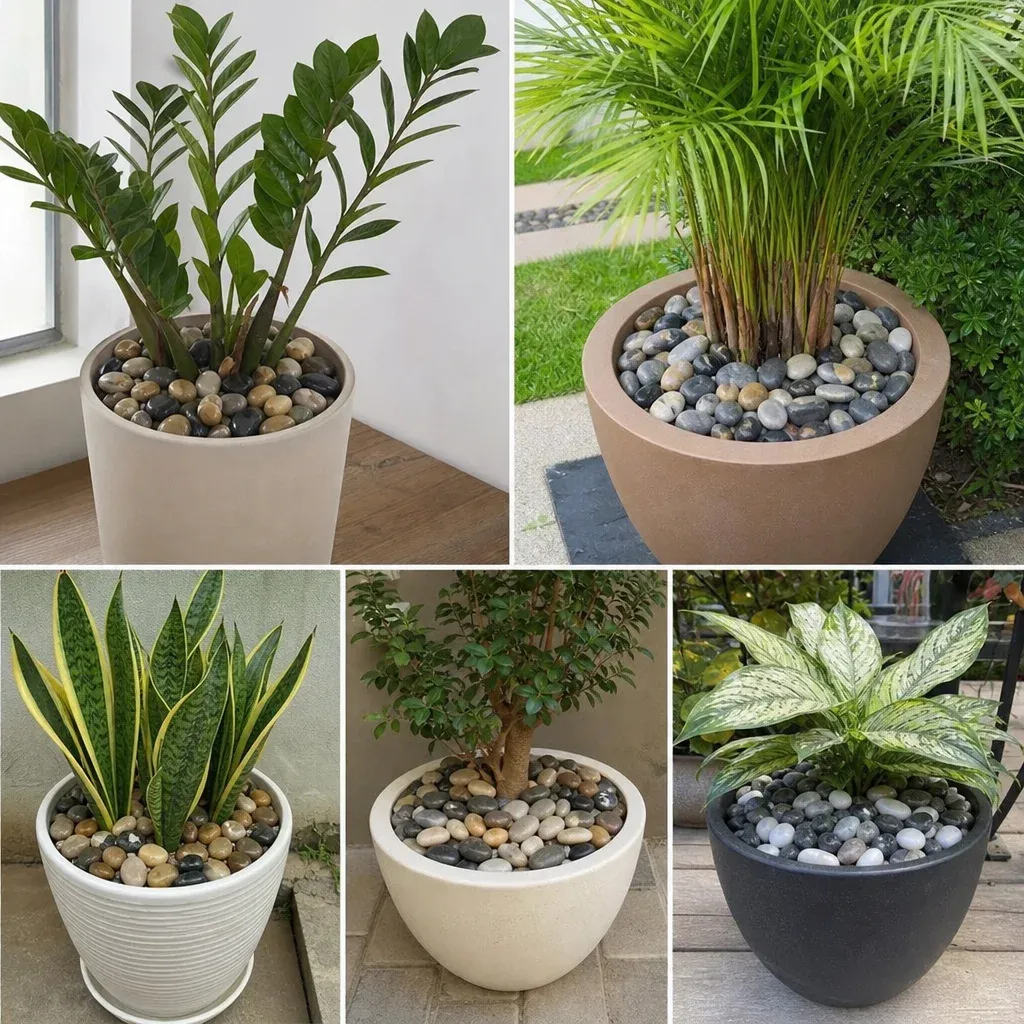
If you are working with limited space—such as a balcony or a small patio—you can easily scale down your stone usage. Utilizing decorative aggregates for potted plants is a professional nursery trick that is incredibly easy to replicate at home.
By applying a top dressing of polished river pebbles over the potting soil in your containers, you instantly elevate the look of the plant. This top layer of stone serves multiple practical functions: it prevents the soil from drying out too quickly in the hot summer sun, deters digging pets, and prevents soil from splashing up onto the leaves of the plant when watering. One caution for indoor containers — a stone top dressing makes it harder to judge when the soil beneath has dried out, so check moisture with a finger rather than by eye, as university extension houseplant guidance recommends.
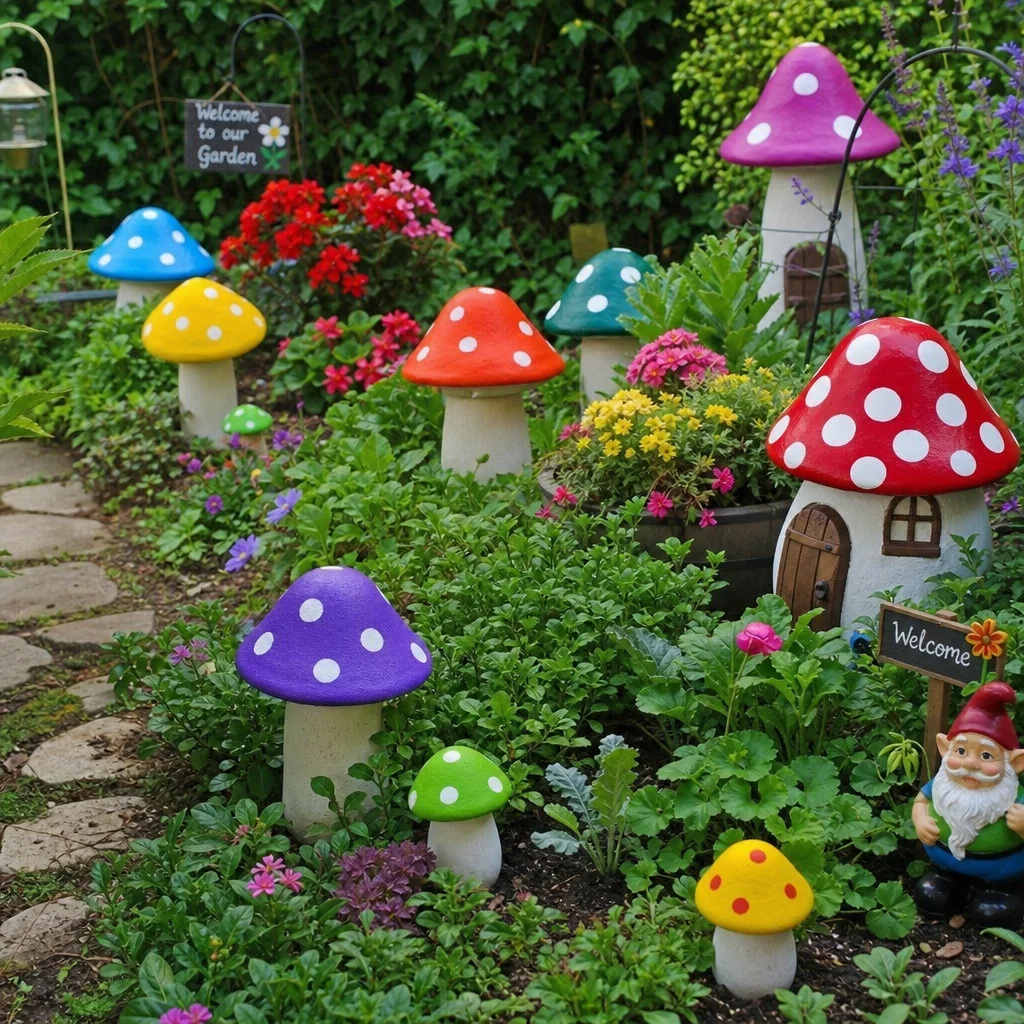
For a whimsical alternative to plain pebbles, try mushroom garden decor.
Maintenance Guide: Keeping Your Stones Pristine
One of the main selling points of decorative stone is its low maintenance, but “low maintenance” does not mean “zero maintenance.” Over time, dust, fallen leaves, and algae can dull the brilliant colors of your rock formations.
Knowing how to clean outdoor rocks will ensure your landscape remains as vibrant as the day it was installed.
- Routine Clearing: Use a leaf blower on a low setting or a lightweight leaf rake to gently remove autumn leaves and twigs from your gravel paths and stone-covered beds.
- Washing: For muddy stones, a simple spray with a high-pressure garden hose nozzle is usually enough to reveal their original colors.
- Tackling Algae: If your rocks are in a shaded, damp area and begin to grow green algae or moss, you can treat them with a mixture of white vinegar and water. Spray the affected stones, let the solution sit for twenty minutes, and scrub lightly with a stiff-bristled brush before rinsing. (Always be careful not to spray vinegar solutions directly on your live plants).
Conclusion
Integrating garden decor stones into your outdoor space is an investment in both the beauty and the functionality of your property. Whether you are laying down a crunchy gravel path, placing a monumental boulder to anchor a flower bed, or simply using pebbles to tidy up your potted succulents, stones bring an unmatched level of texture, permanence, and natural elegance.
By carefully selecting your materials, paying attention to placement techniques, and doing minimal seasonal upkeep, you can create a breathtaking, sustainable landscape that you will enjoy for decades to come. Don’t be afraid to mix and match different types of rocks, experiment with contrasting colors, and let nature’s oldest building block transform your backyard into a personalized oasis.